Russia’s new preferential mortgage program in Crimea and Sevastopol covers 36.7% of new-build inventory, setting up a fresh test of whether subsidized credit can revive demand in a market where affordability and geopolitics both shape buying decisions.
Crimea Mortgage Program Covers 36.7% of New Supply
The program, introduced by Russia’s finance ministry and effective from Nov. 1, offers a 8% rate, requires a 20% down payment and caps loans at 8 million rubles, enough to finance homes priced up to 9.6 million rubles. That puts 36.7% of all new apartments on sale in the two regions within reach of the scheme, according to RBC Real Estate.
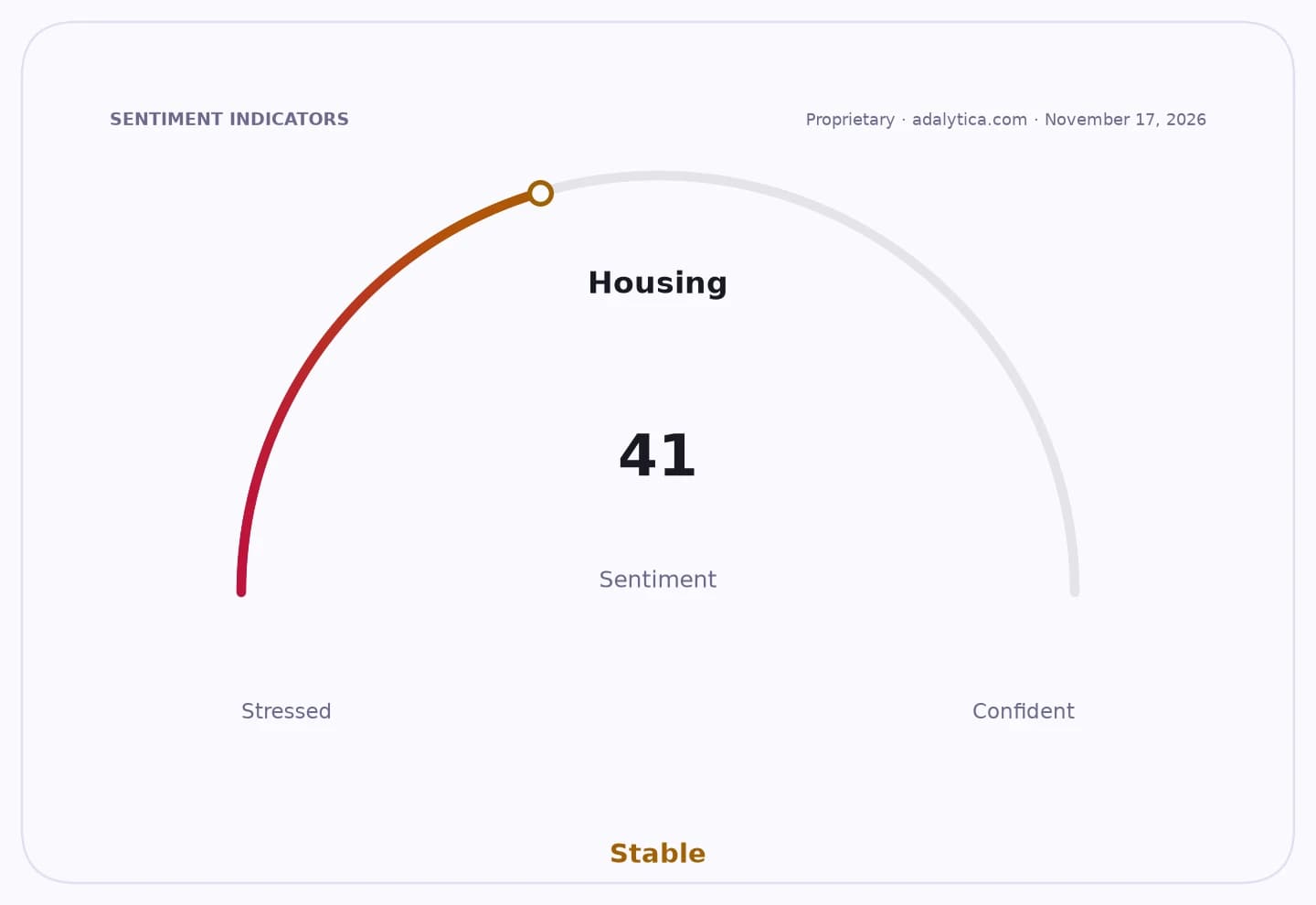
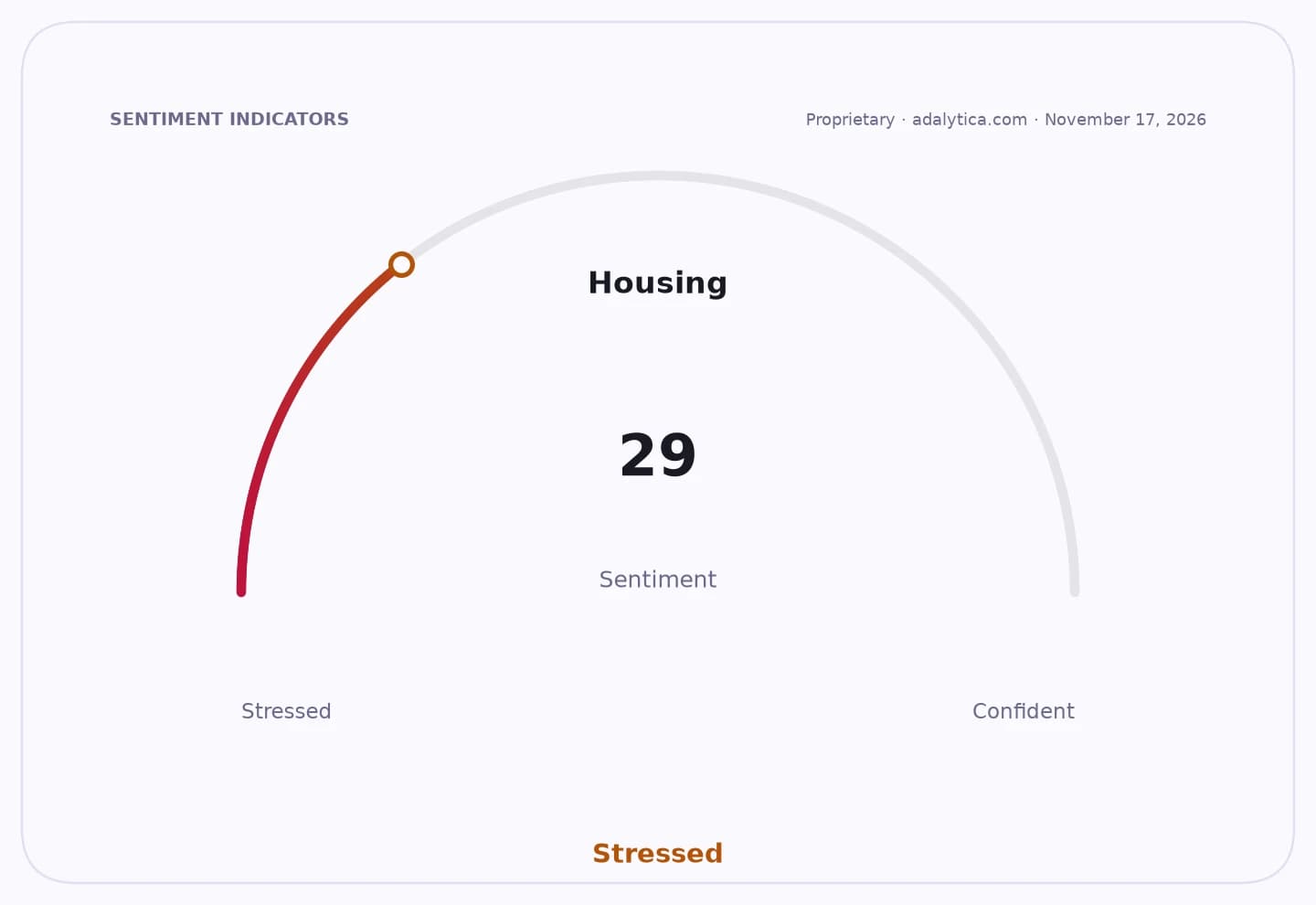
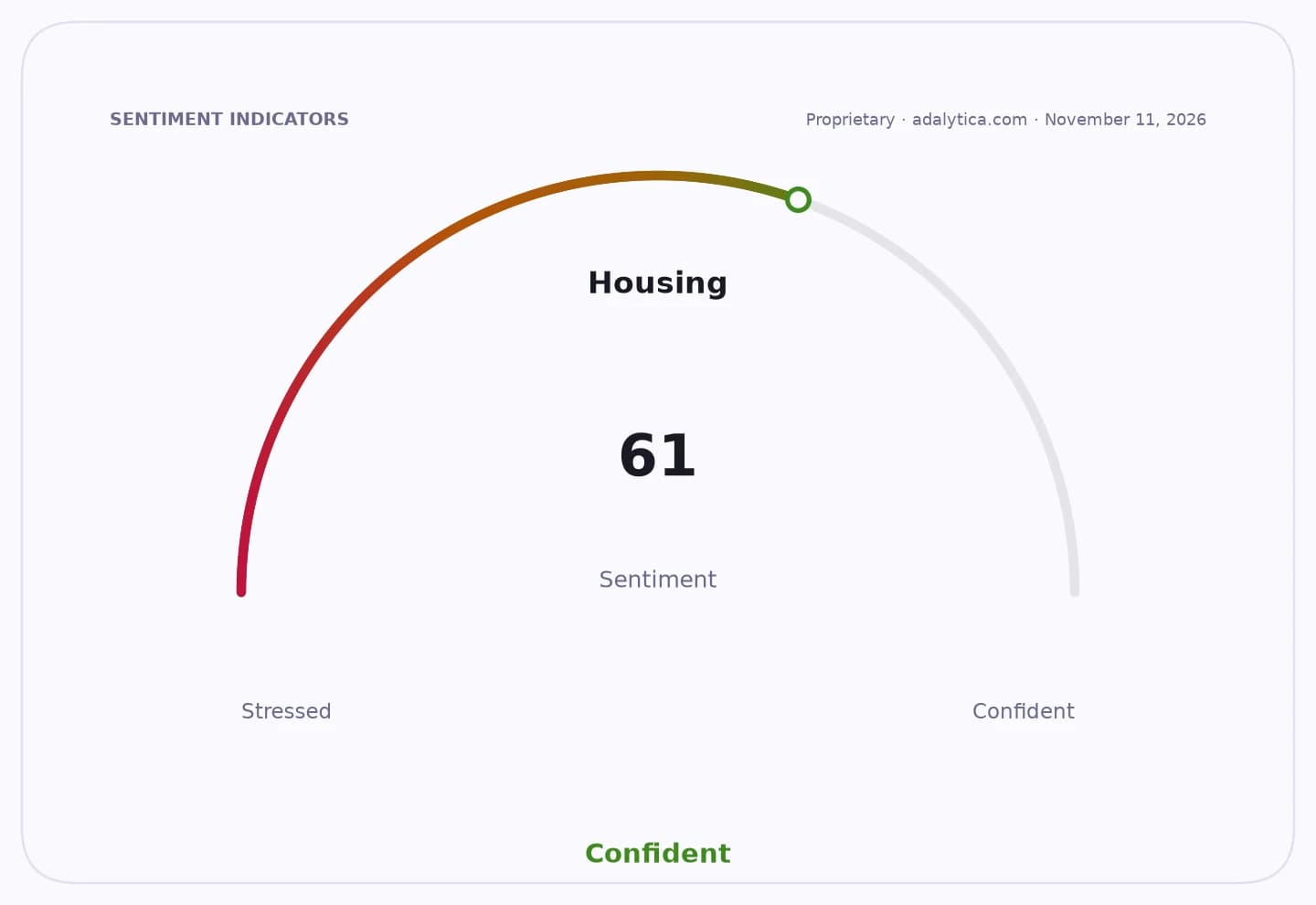
Sentiment Indicators
For developers, the key issue is not just how many units qualify, but whether buyers can clear the down payment hurdle in a market dominated by smaller apartments. Of the roughly 22,700 new-build units listed at the start of November, one-room apartments made up 62.7% of eligible supply, studios 21.7% and two-room units 15.2%, while only 34 three-room apartments fell inside the price band.
Economically, the subsidy should support transaction volumes and underpin prices in Crimea and Sevastopol if households respond to the lower borrowing cost. That matters in a housing market where state-backed lending has become one of the main tools for sustaining demand and construction activity.
Investors in regional developers will be watching whether the program merely shifts demand toward lower-ticket units or broadens sales across the primary market. If take-up is strong, it could improve cash flow visibility for builders and reduce inventory risk; if not, the impact may be confined to a narrow slice of projects.
The policy is also aimed at reinforcing settlement and investment activity in a strategically sensitive region, where housing demand is tied not only to income and credit conditions but also to climate and recreation appeal. The program runs through April 30, 2027, giving the market a limited window to prove whether subsidized mortgages can translate into sustained demand.
| Entity | Gains | Losses |
|---|---|---|
| Homebuyers in Crimea and Sevastopol | ▲Lower borrowing costs | ▼Larger upfront down payment |
| Local developers | ▲Potential sales lift | ▼Narrow qualifying price band |
| Russian government | ▲Supports housing demand | ▼Subsidy fiscal burden |
| Non-qualifying buyers | ▲Little benefit | ▼Less access to cheap credit |