Sweden’s housing market is still climbing despite a fresh rate increase from the Riksbank, underscoring how resilient household demand and credit growth remain even as borrowing costs rise.
Sweden Housing Prices Rise After Riksbank Rate Hike
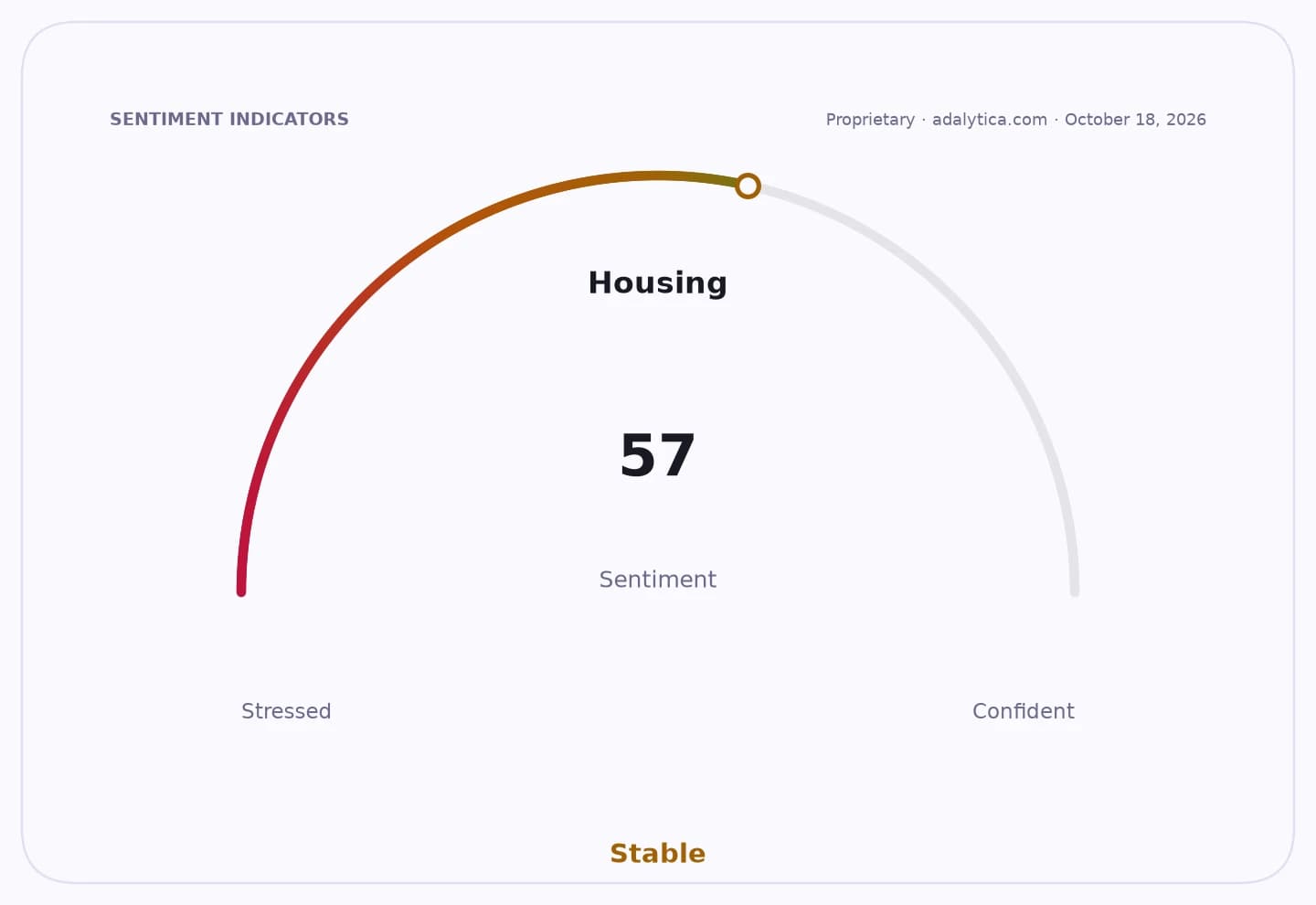
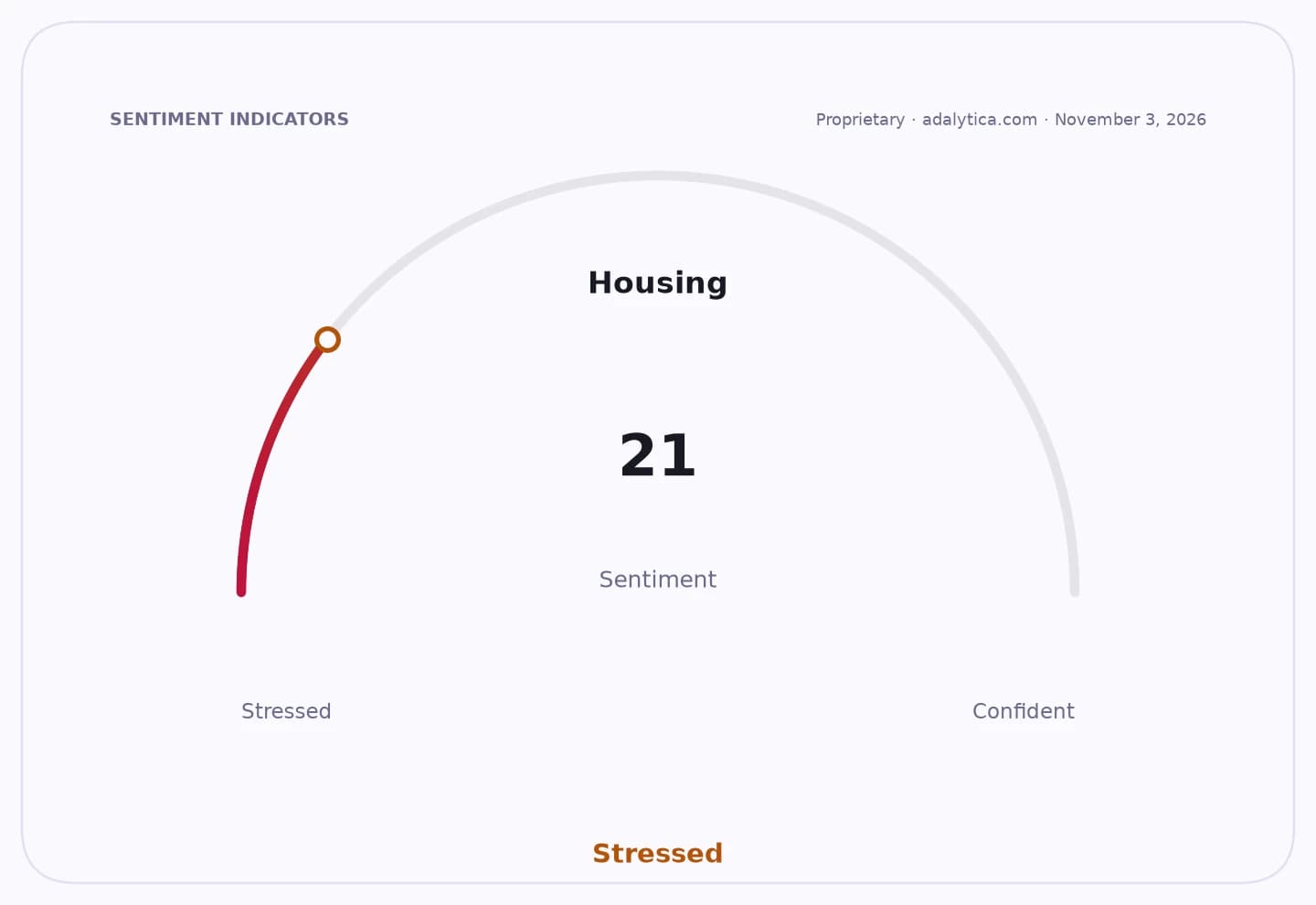
Housing
Apartment prices rose 1.9% in October from September and were up 5.8% from a year earlier, according to Svensk Mäklarstatistik. Central Stockholm led the gains, with condominium prices up 10% on an annual basis, while villa prices slipped 0.6% on the month but were still 4.2% higher than a year ago.
Sentiment Indicators
The data suggests higher rates are not yet biting hard enough to cool prices. Danske Bank chief economist Susanne Spector said she expects housing prices to keep rising at roughly the same pace seen so far this year, arguing households have already adjusted to the prospect of further hikes and are still spending.
That matters for the Swedish economy because housing is tightly linked to consumption, household balance sheets and bank lending. Spector said credit growth and lending have increased, pointing to buyers willing to take on more debt and pay more for homes even after the policy tightening.
LF Fastighetsförmedling chief executive Marcus Svanberg said the October numbers show a market that remains strong, especially for apartments. He said demand has stayed solid even after the Riksbank’s move and ahead of more expected hikes, although additional increases could modestly slow demand.
For investors, the resilience is a signal that the housing downturn many feared has not materialized. Banks and mortgage lenders may continue to see healthy loan demand, while Swedish consumers appear better able than expected to absorb higher rates, reducing immediate recession risk but also making it harder for the central bank to cool the market.
There are still risks ahead. Spector warned that high power bills could temporarily weigh on housing demand during the winter, even as she expects consumption to keep rising next year. The next few rate decisions will be closely watched for any sign that housing finally starts to respond more sharply to tighter policy.
| Entity | Gains | Losses |
|---|---|---|
| Homeowners/sellers | ▲Higher home values | ▼Lower affordability for buyers |
| Banks/mortgage lenders | ▲Stronger lending volumes | ▼Higher credit-risk exposure |
| Riksbank | ▲Inflation restraint credibility | ▼Weaker housing cooling effect |
| First-time buyers | ▲— | ▼Higher prices and borrowing costs |