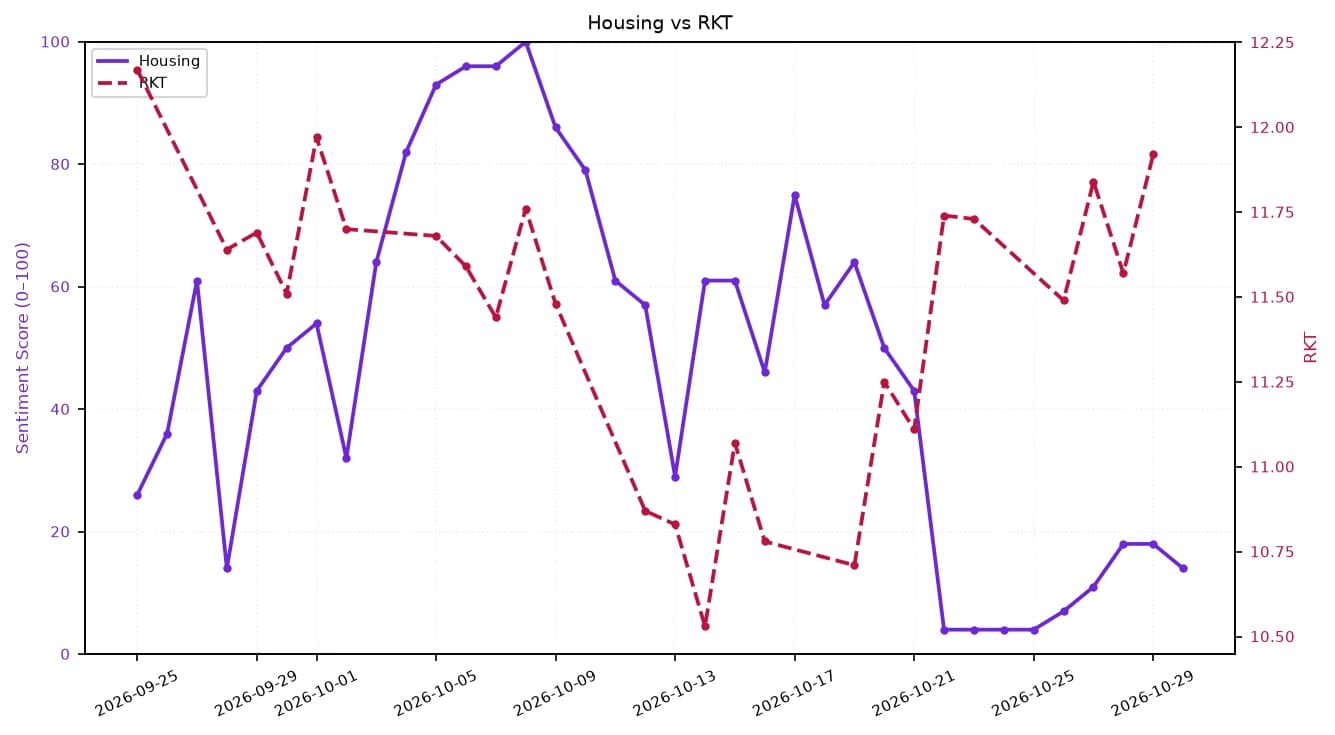
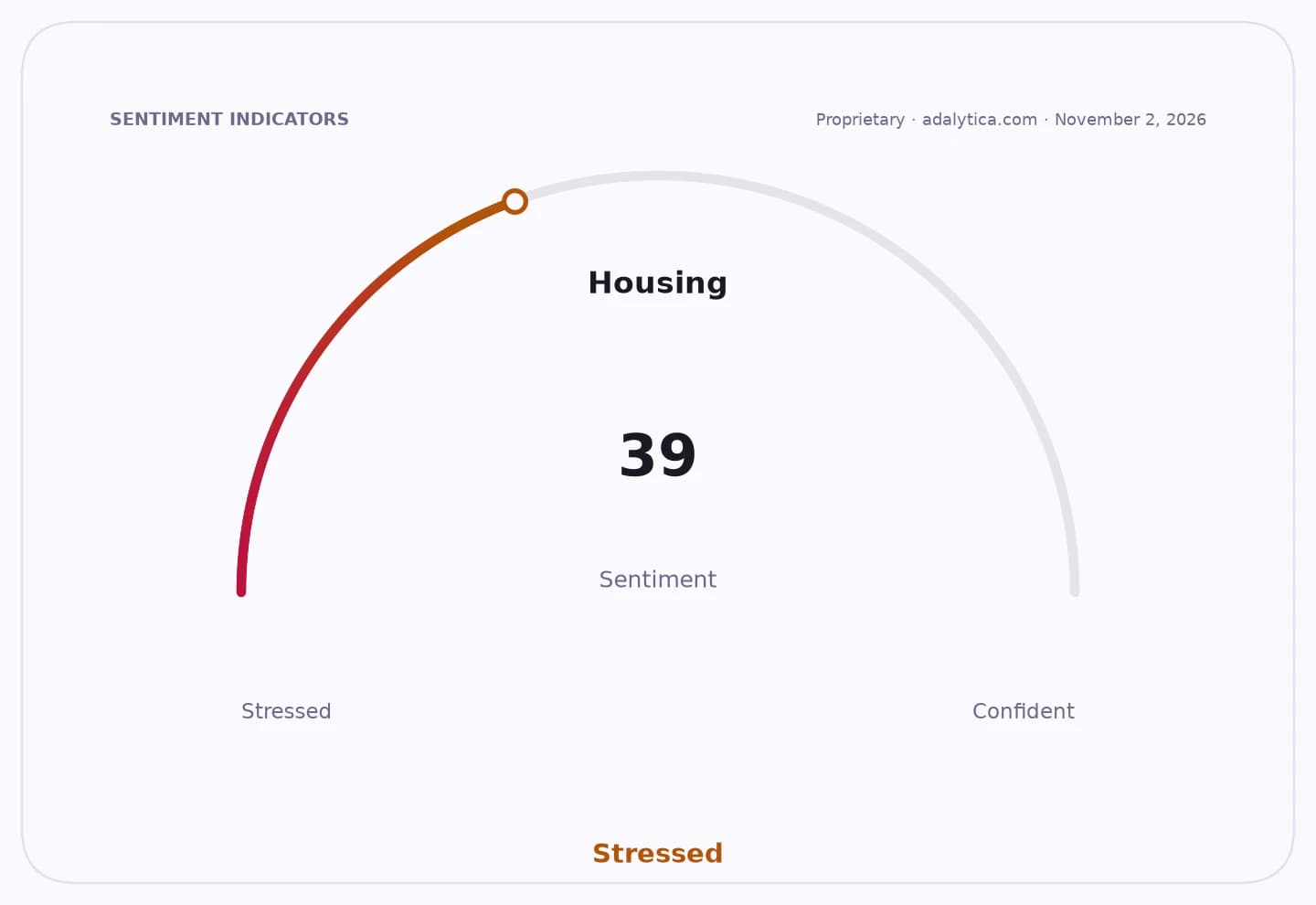
Swedes are becoming less convinced that home prices will keep rising, a sign that sentiment in the housing market is slipping even as prices have so far held up.
Sweden housing price expectations ease in October
SEB’s October housing price indicator fell to 49% from 53% a month earlier, while the share expecting falling prices was unchanged at 11%. The shift is modest, but it matters because housing expectations help shape buyer behavior, household leverage and the broader transmission of interest-rate policy into the real economy.

The change comes at a delicate moment for Sweden’s housing market. After a volatile two years of higher borrowing costs, households are still sensitive to financing conditions, and SEB noted that more people are considering fixing their floating-rate mortgages, with that share rising to 16% from 15% in September. That suggests borrowers are already positioning for less benign funding conditions, even before any clearer move from the central bank.
SEB private economist Américo Fernández said home prices and household expectations have started to diverge. Prices have “developed steadily,” he said, but optimism has begun to waver. The message is important because housing is one of the fastest channels through which monetary tightening and easing feed into consumption, wealth effects and the broader economic outlook.
For investors, the report points to a market that is not rolling over, but is becoming more fragile. If confidence keeps easing, transaction volumes could soften and price gains may become harder to sustain, particularly if mortgage rates remain elevated. That would matter for banks, housing-related equities and the broader Swedish consumer, where weaker housing sentiment often feeds into more cautious spending.
The base case is not a sharp downturn. Only 11% of respondents expect prices to fall, suggesting the market is still anchored by relatively firm expectations. But the decline in bullishness is a warning that recent resilience may depend on whether the Riksbank’s next moves are seen as supportive enough to offset higher borrowing costs and a still-cautious household sector.
| Entity | Gains | Losses |
|---|---|---|
| Homebuyers | ▲Potentially more negotiating power | ▼Fading price optimism |
| Existing homeowners | ▲Steadier prices for now | ▼Lower chance of quick appreciation |
| Banks with mortgage books | ▲Mortgage refinancing demand | ▼Slower housing-market turnover |
| Swedish housing market bears | ▲Softer sentiment | ▼Less support from expectations |