Trump’s order aimed at lower mortgage costs lands at a moment when housing affordability is still being crushed by financing costs, with the average 30-year fixed mortgage rate at 7.24% and the 10-year Treasury yield around 5.05%.
Trump mortgage order lifts housing-rate-sensitive stocks
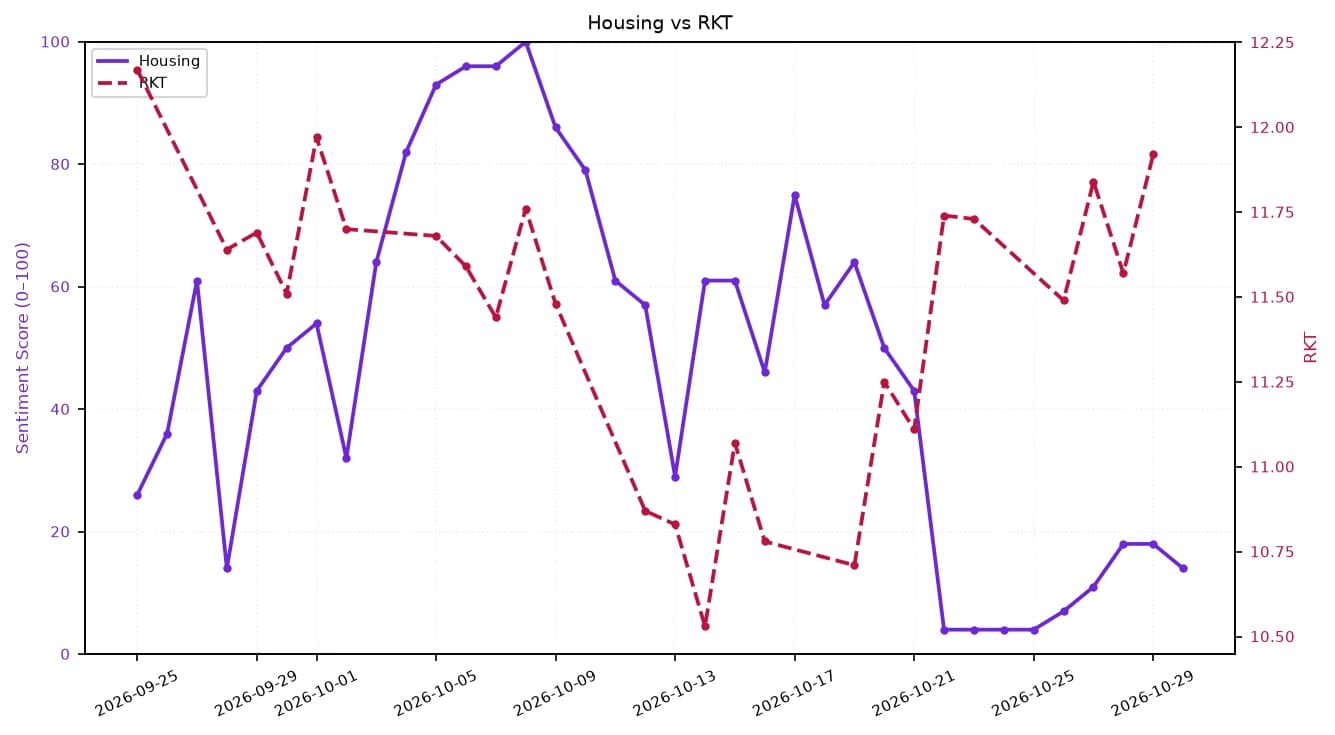
That matters because housing is one of the economy’s biggest interest-rate transmission channels. When mortgage rates stay above 7%, monthly payments rise fast enough to choke off refinancing, suppress turnover and keep first-time buyers out of the market. The latest housing data show starts still fragile, with new home construction forecast at 1.28 million units for October after September’s 1.22 million pace, far below the levels seen when borrowing costs were cheaper. In other words, a policy push on mortgage costs is not just about homebuyers — it is about whether the housing engine can contribute to growth or remain a drag.
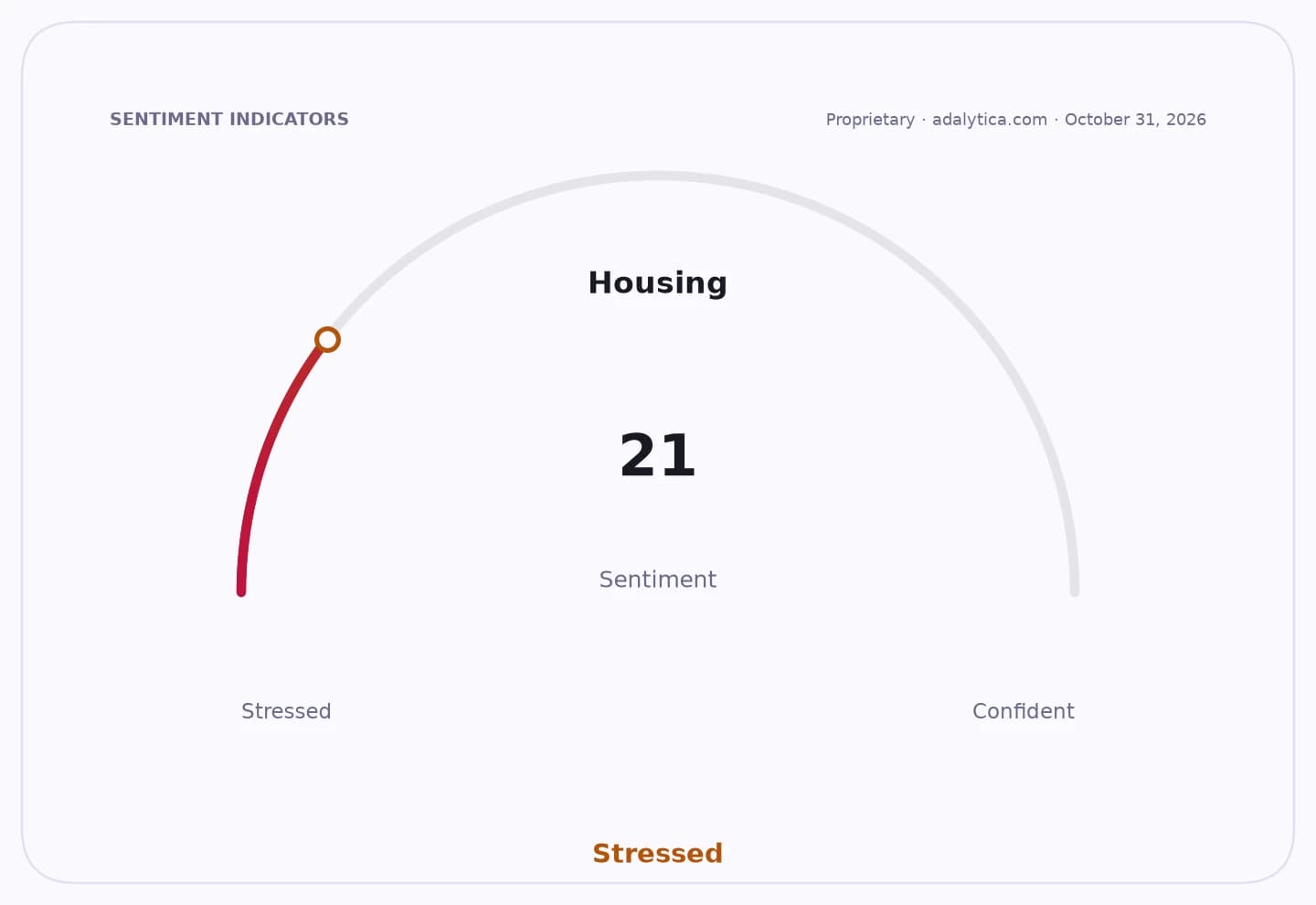
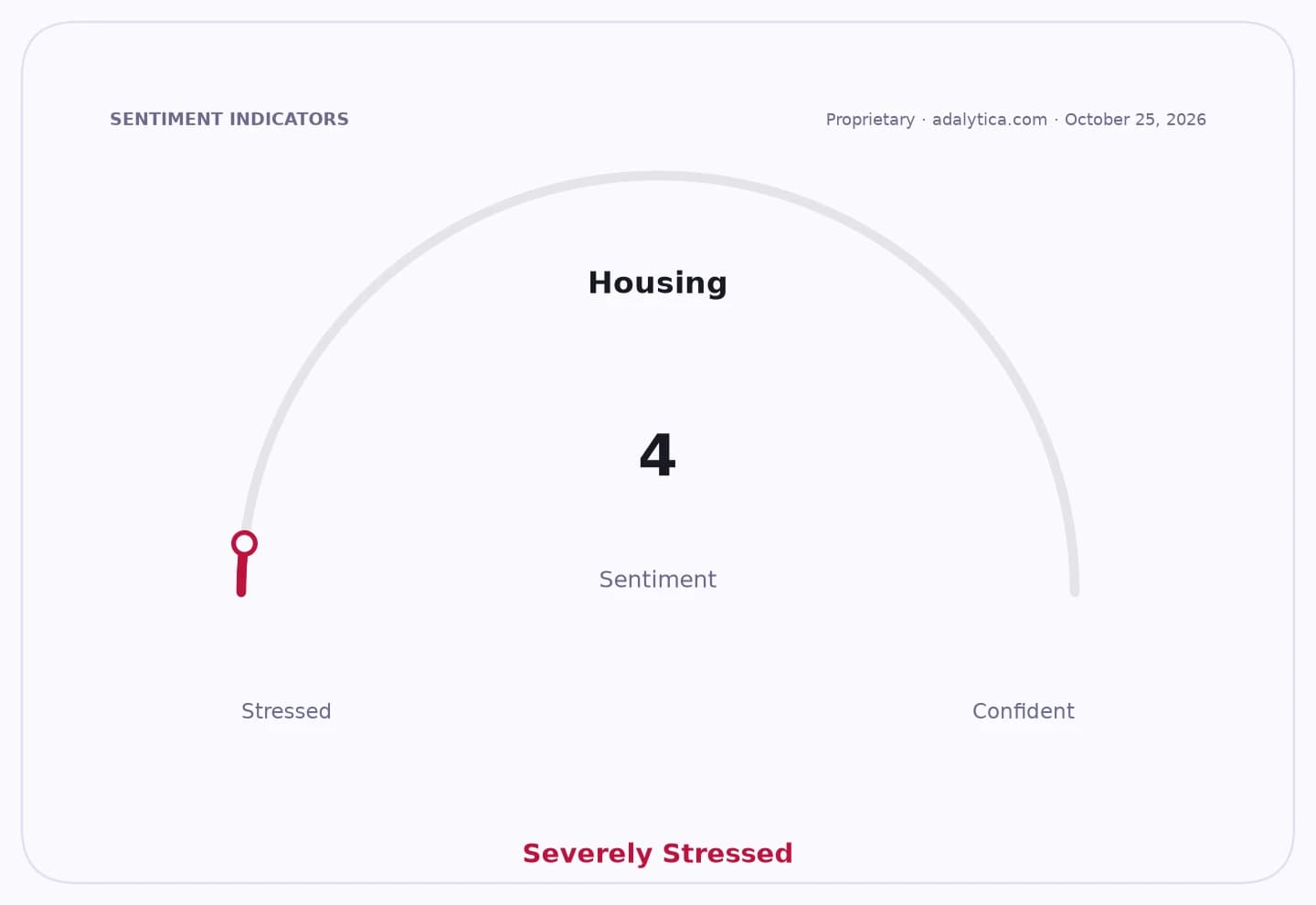
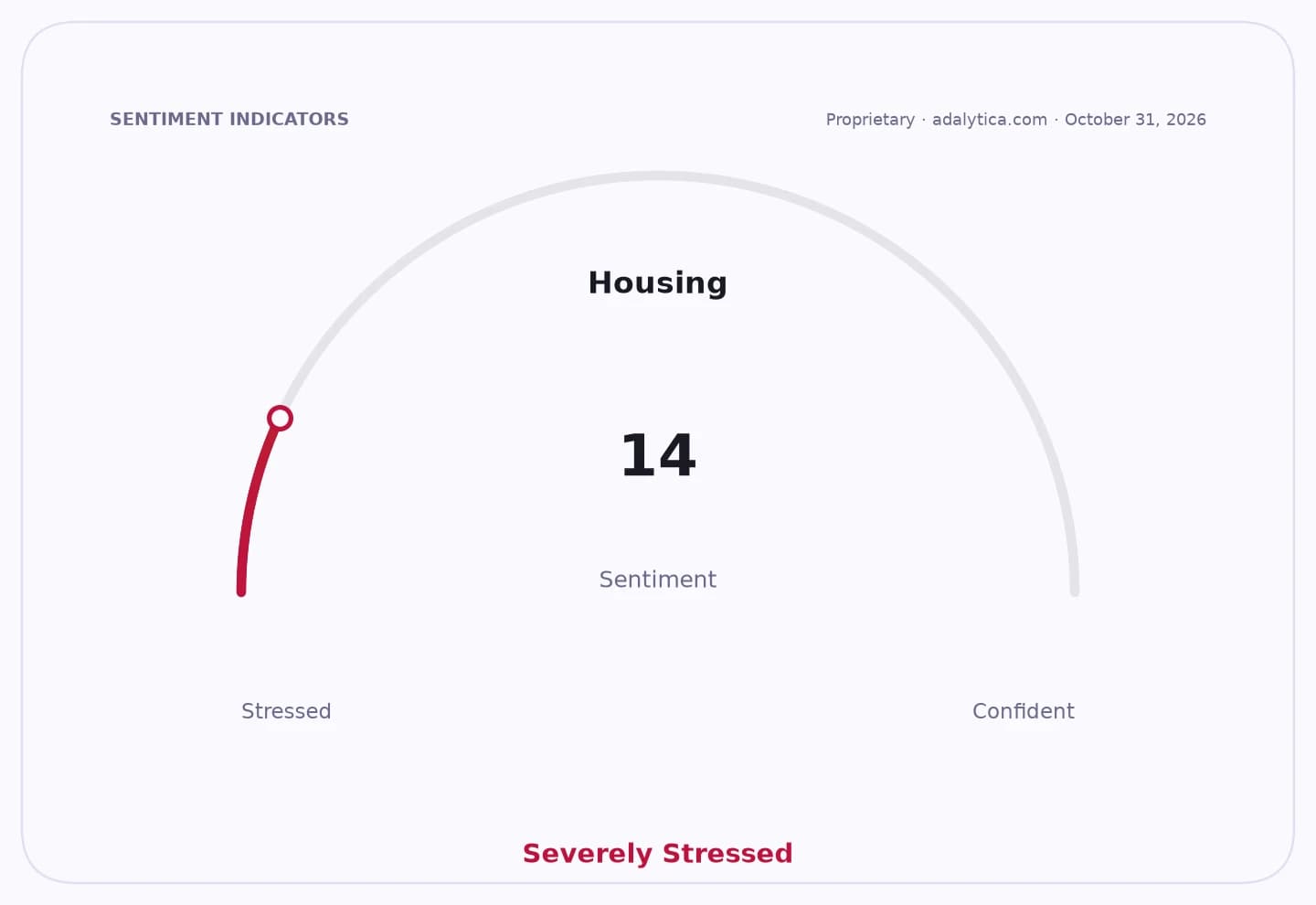
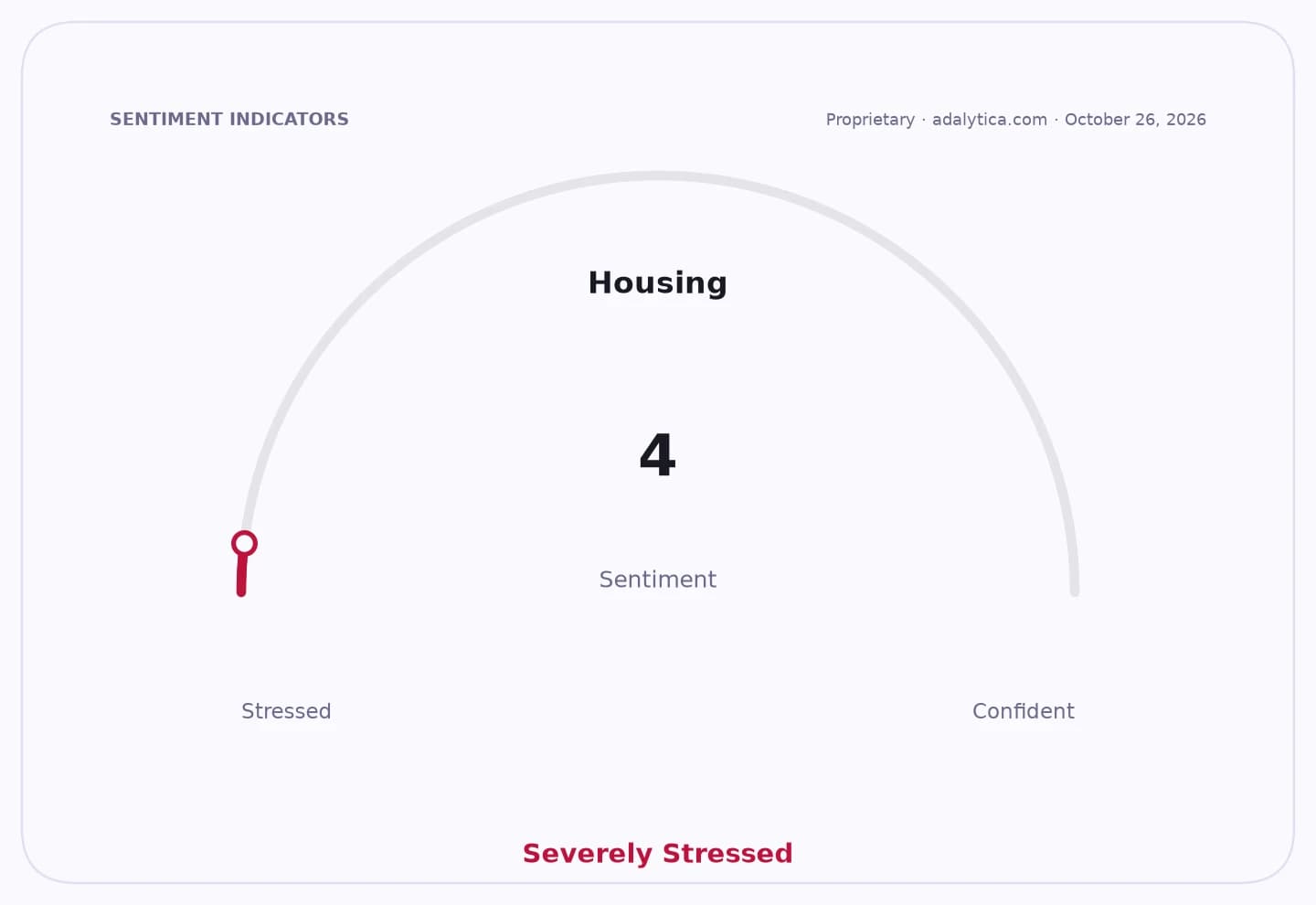
Sentiment Indicators
For investors, the order is a direct read-through to mortgage originators, banks, homebuilders and mortgage-backed securities. Rocket Companies, one of the most rate-sensitive names in the space, is still trading well below its 50-day and 200-day moving averages even after a recent bounce, a sign the market has not fully priced in a sustained relief rally. Wells Fargo, which disclosed in its latest filing that mortgage banking income and servicing assets are sensitive to rate moves, also stands to benefit if lower borrowing costs revive originations and improve prepayment activity. At the same time, lower mortgage rates would support homebuilder demand and could pressure long-duration Treasury trades if the policy impulse helps keep growth and inflation expectations sticky.
The market is already leaning hard into the idea that rates may drift lower. Treasury-bond trade signals from Adalytica.com show extreme greed in TLT, while housing-and-rent inflation sentiment remains in extreme fear, underscoring how beaten-up the affordability story has become. That combination suggests investors are positioning for a turn, but the bigger opportunity is in the second-order winners: originators, servicing platforms, homebuilders and refinance-heavy lenders that would see transaction volume recover before the macro data fully improve.
I believe the market underestimates how quickly a credible push to lower mortgage costs can reprice the housing complex. If the administration can translate policy into even a modest decline in mortgage rates, the upside is not just lower monthly payments — it is a cyclical rebound in housing activity, better credit demand and a far stronger setup for select financials and homebuilding stocks. The actionable takeaway: stay long the rate-sensitive housing trade, but focus on the best operators with scale and servicing leverage.
| Entity | Gains | Losses |
|---|---|---|
| Rocket Companies (RKT) | ▲Higher refinance volume | ▼Margin pressure if rates stay volatile |
| Wells Fargo (WFC) | ▲More mortgage origination and servicing income | ▼Lower net interest spread if yields fall |
| Homebuilders | ▲Better affordability and demand | ▼Pricing power if borrowing costs stay high |
| Treasury bond shorts | ▲Lower yields and stronger duration bids | ▼Rising bond prices and crowded positioning |