Open-end mortgages are back in focus as the housing market remains pinched by a 10-year Treasury yield near 5.12% and elevated borrowing costs that are still keeping many would-be buyers on the sidelines.
Open-end mortgages stay niche as rates stay high
The pitch behind open-end mortgage products is simple: give homeowners and buyers more flexible access to credit without forcing them to refinance or take on a new first mortgage every time they need cash. But in practice, that flexibility matters most when rates are falling or credit is easy — conditions that are not in place now.
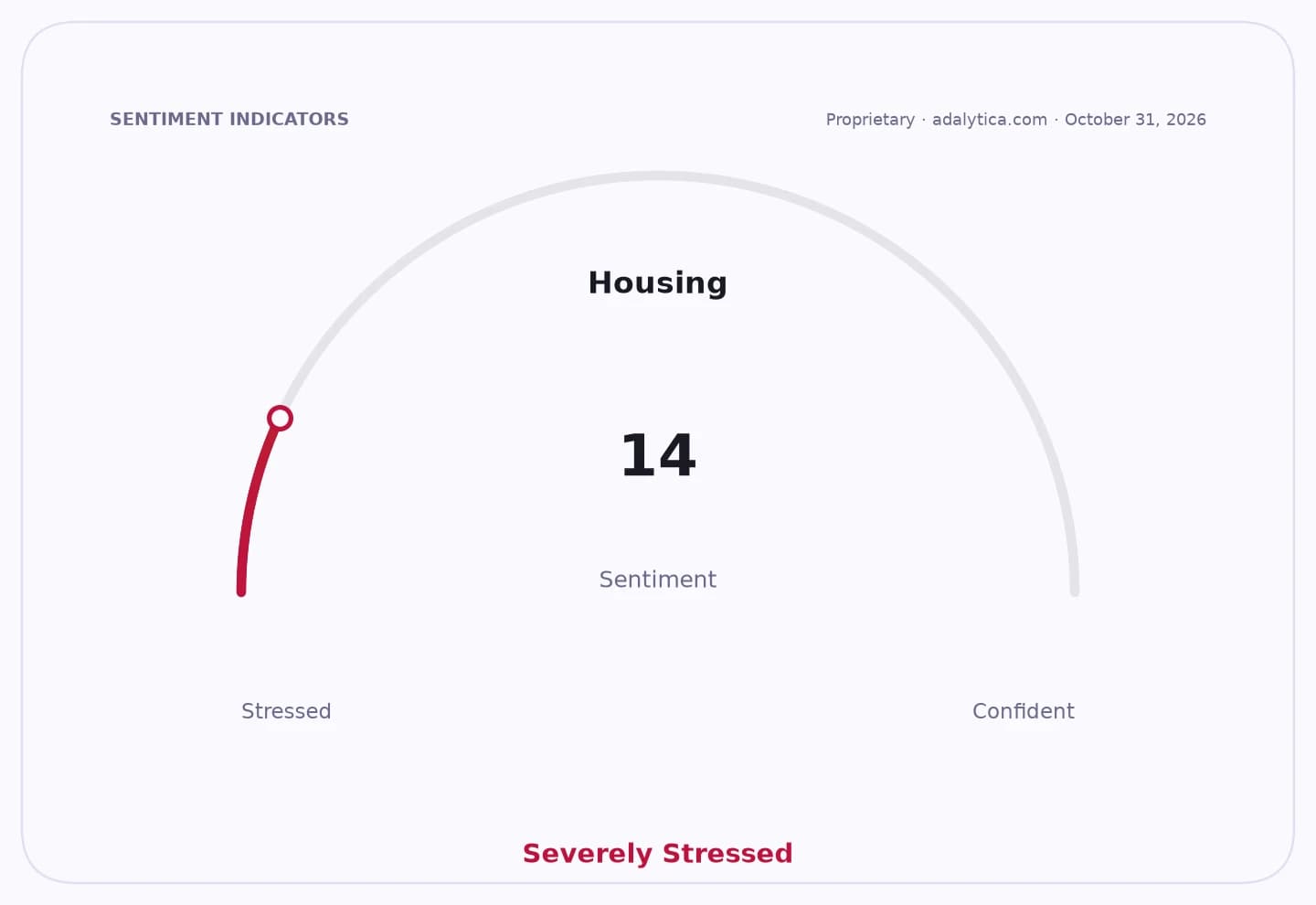
Sentiment Indicators
The benchmark 10-year yield ended Oct. 22 at 4.96%, barely below the 5.13% level a day earlier and still far above the sub-1% pandemic lows that fueled the last refinancing boom. At the same time, US housing starts fell to a forecast 1,277.9 in October from 1,221 in September, after dropping sharply in May, showing that builders and borrowers alike are still wrestling with affordability.
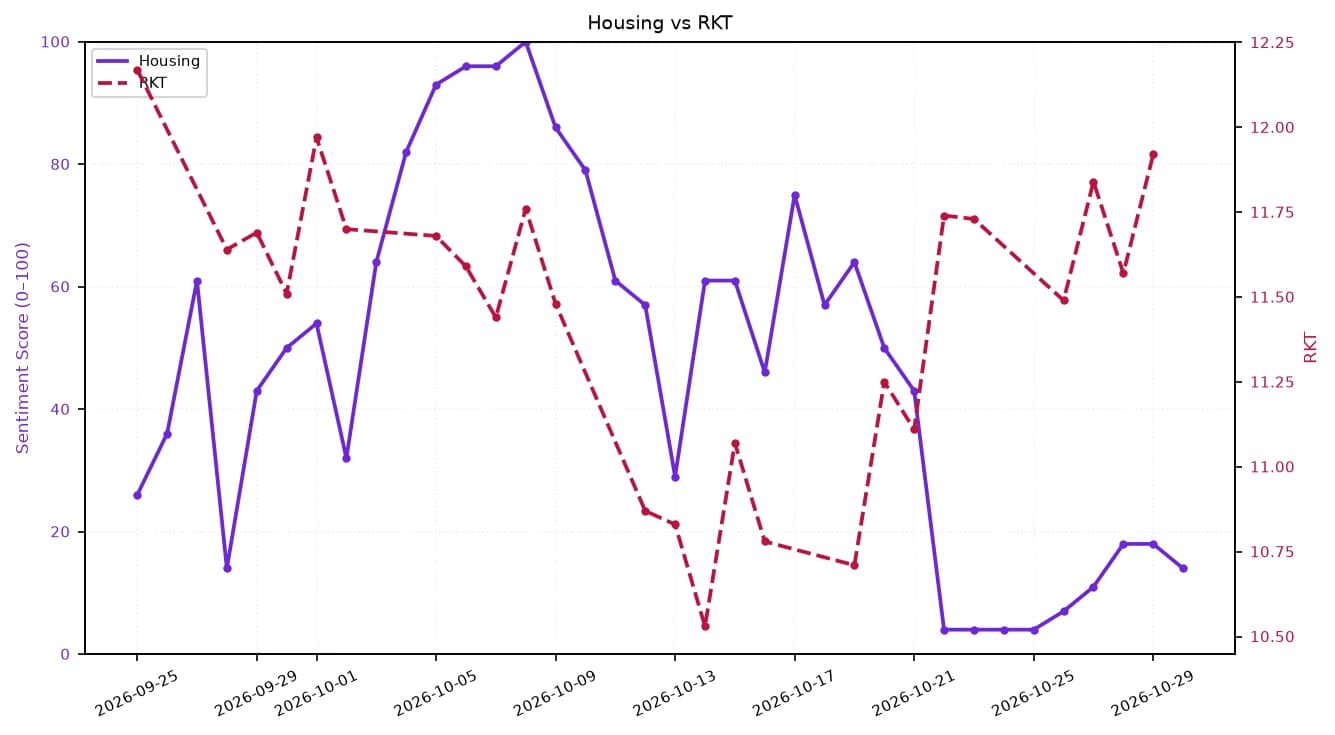
For lenders and mortgage investors, the backdrop is mixed. Rocket Companies’ shares closed at $11.73 on Oct. 23, down from $14.63 in August and well below its 200-day moving average of $14.94, while United Wholesale Mortgage surged to $1.45 from $1.15 a day earlier on heavy volume after months of pressure. The move in UWM suggests traders remain highly sensitive to any sign that refinancing activity or mortgage volume could improve, even modestly.
Open-end lending also sits inside a broader political and regulatory debate over how much relief governments can really deliver to homeowners. Policy proposals can widen access, but they do not erase the central constraint in the market: higher rates, tighter underwriting and reduced affordability.
That leaves the near-term outlook tied to two catalysts — whether rates ease further and whether lenders can use more flexible mortgage products to capture demand without taking on excess credit risk. Until then, open-end mortgages are more a niche tool than a broad fix for the housing market’s affordability problem.
| Entity | Gains | Losses |
|---|---|---|
| Homeowners with equity | ▲Flexible borrowing access | ▼Higher debt costs |
| Mortgage lenders | ▲Potential product demand | ▼Margin pressure, credit risk |
| Rate-sensitive homebuyers | ▲More financing options | ▼Affordability constraints |
| Homebuilding sector | ▲Easier demand if rates fall | ▼Slower starts and sales |