Crusoe’s jump to a $30 billion valuation after a new funding round underscores how aggressively investors are still backing the infrastructure layer of the artificial-intelligence buildout, even as public markets have become choppy and fears of overheating have spread through the sector.
Crusoe Valuation Hits $30 Billion After Funding Round
The latest round matters because Crusoe sits in one of the most capital-intensive parts of the AI ecosystem: the energy, data-center and compute backbone needed to train and run large models. That is where the bottlenecks are, and where the biggest checks are now being written. For investors, the valuation is a fresh sign that the market is still rewarding companies that can claim a role in relieving the power, land and capacity constraints slowing AI deployment.
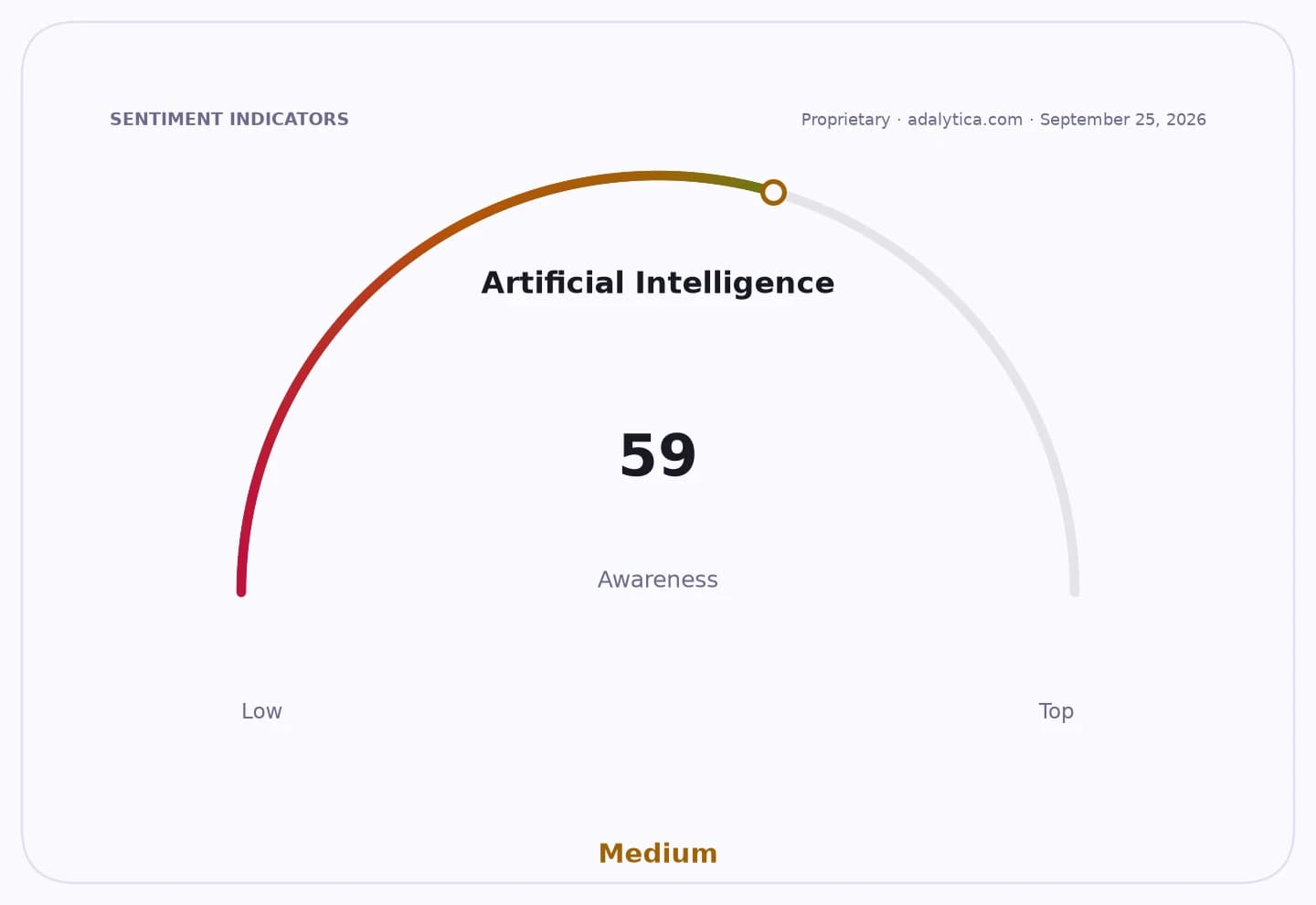
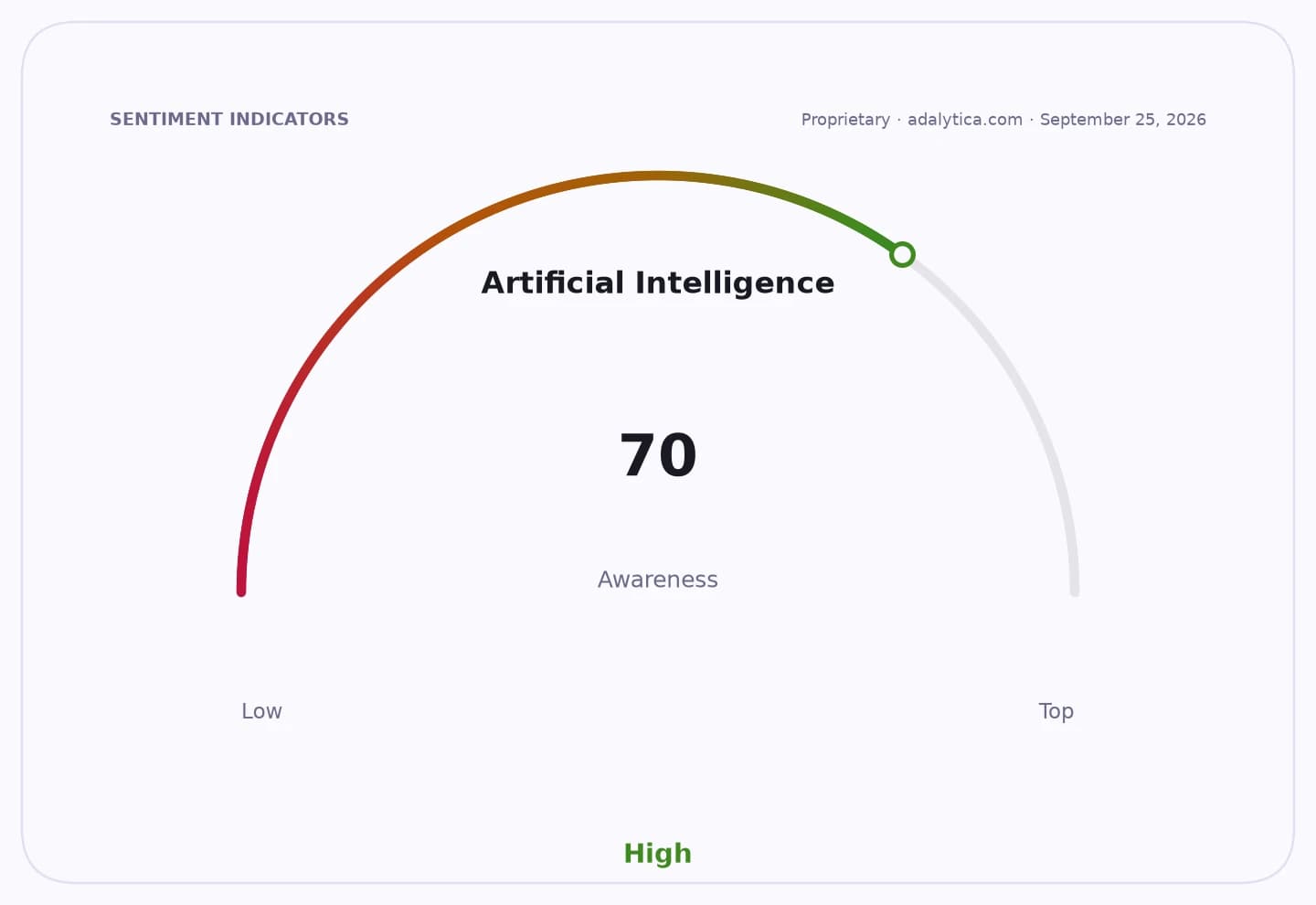
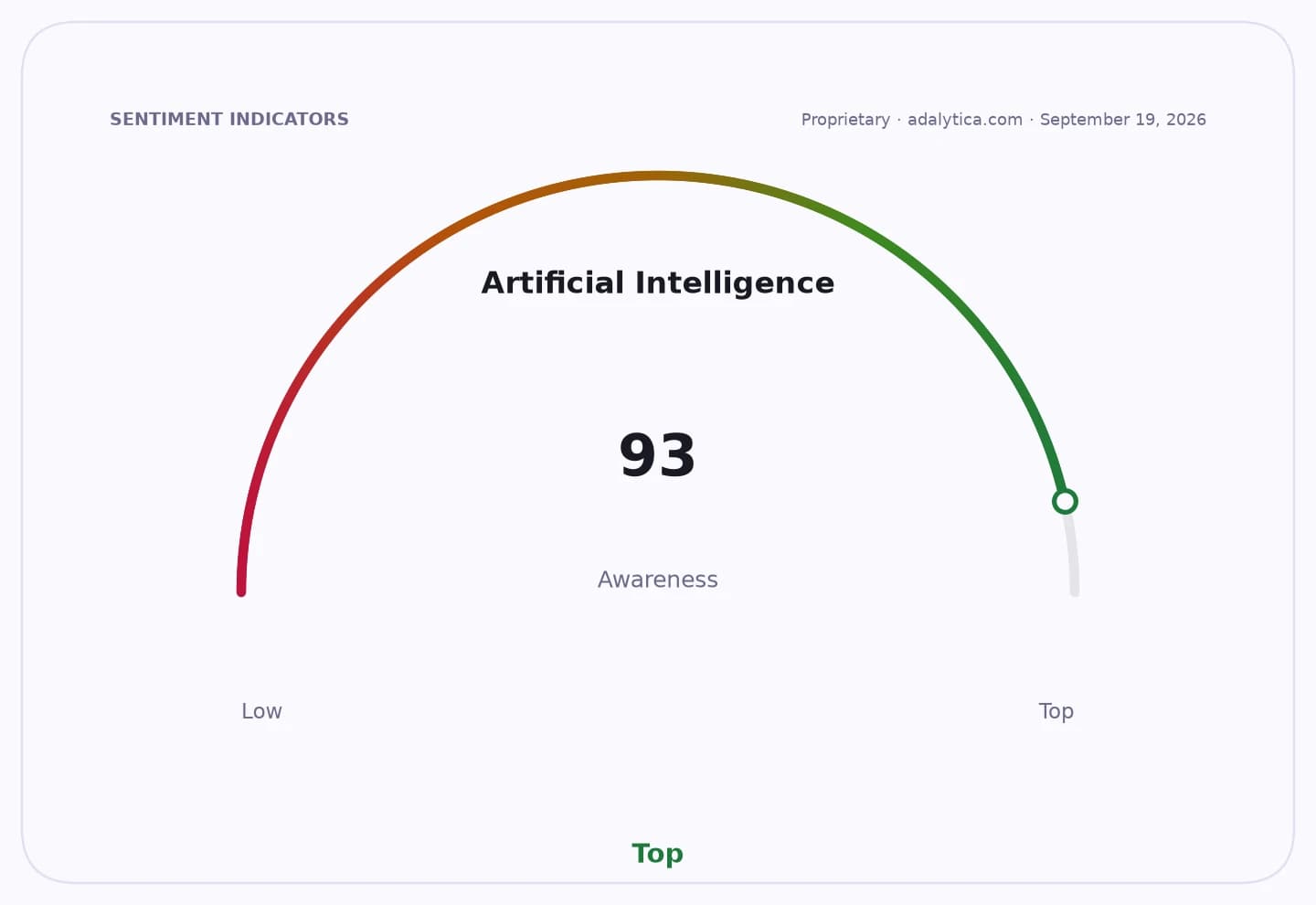
Sentiment IndicatorsⓘProprietary · adalytica.com · September 4, 2026
This is a snapshot — live sentiment, awareness and momentum for 130+ markets update continuously in the dashboard.Open AlphaPulse
That scarcity is not just a startup problem. Nvidia’s latest filing said expanding land, power, shell and energy needs to meet demand is a “complex, multi-year process” and that less-capitalized companies can face financing constraints. That helps explain why private capital is flowing into firms positioned to build or finance AI infrastructure, rather than only into model makers and software applications. The logic is straightforward: if AI demand keeps rising, the limiting factor is increasingly not chips alone but the electricity and physical infrastructure required to use them.
The broader market backdrop is still supportive, even if sentiment is fragile. Adalytica’s AI sentiment gauge is in “Extreme Fear” at 15, while its earnings sentiment on Nvidia is in “Greed,” reflecting a market that remains excited about AI economics but uneasy about valuations and sustainability. Publicly traded AI names have also shown how quickly enthusiasm can swing. Nvidia, Microsoft and Amazon have all moved sharply in recent months, with technical indicators showing strong recoveries in some cases after deep pullbacks. That volatility suggests investors are willing to keep funding AI growth, but are demanding proof that the spending translates into durable returns.
For Crusoe, the bull case is that it is building into a structural shortage and can capture more value as AI clusters expand and hyperscalers keep outsourcing pieces of the buildout. The bear case is that a $30 billion price tag leaves little room for execution error, especially if financing costs stay high or if the pace of AI monetization slows before the infrastructure race pays off.
Still, the message from the latest funding is clear: private investors are treating AI infrastructure as a strategic asset class, not a speculative side bet. That keeps capital flowing into data-center builders, power-intensive compute platforms and the suppliers behind them, while raising the bar for anyone trying to justify similarly rich valuations without visible revenue scale.
| Entity | Gains | Losses |
|---|---|---|
| Crusoe | ▲Higher valuation, fresh capital | ▼Greater execution pressure |
| AI infrastructure investors | ▲Exposure to growth bottleneck | ▼Valuation risk if demand cools |
| Hyperscalers and AI builders | ▲More capacity options | ▼More competition for capital and power |
| Skeptical public-market investors | ▲Potential entry points later | ▼Missed upside during the funding rush |