Crypto exchanges are moving to combine distributed wallet signing with automated treasury operations as theft risks rise and operational liquidity management becomes more complex, creating a faster but more controlled way to move digital assets without relying on manual approvals for routine transfers.
Crypto Exchanges Adopt MPC Treasury Automation
The shift matters because exchanges sit at the junction of custody, payments and market plumbing. They must protect customer assets, keep hot wallets funded, move reserves across chains and manage gas balances, often under tight response times. As trading volumes, token lists and blockchain networks expand, manual treasury workflows become a bottleneck that can raise both operational risk and the cost of control.
Sentiment IndicatorsⓘProprietary · adalytica.com · October 15, 2026
This is a snapshot — live sentiment, awareness and momentum for 130+ markets update continuously in the dashboard.Open AlphaPulse
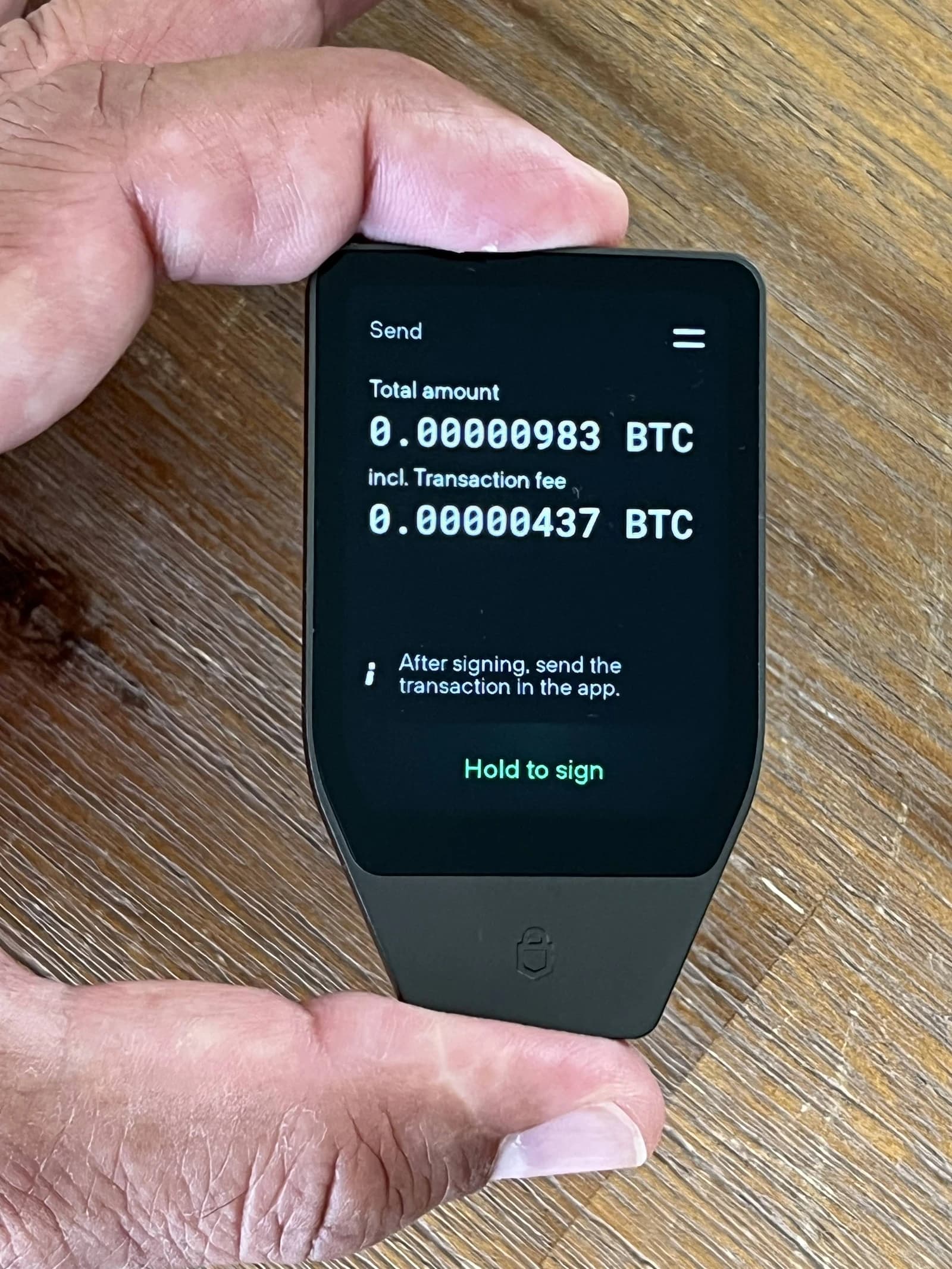
The security case for MPC wallets is straightforward. Multi-party computation splits signing authority across several participants or secure environments, reducing the chance that a single compromised device, account or administrator can authorize a transfer. That is increasingly relevant after a string of crypto thefts and kidnappings, including cases that used hardware wallets and social engineering to reach funds. For exchanges, distributed signing also supports segregation of duties, which is essential for institutional clients and for regulators focused on governance around asset movement.
But security alone does not solve the operating problem. Exchanges still need to replenish hot wallets when withdrawals spike, sweep assets between operational and reserve wallets and keep gas balances available across networks. Those tasks can overwhelm teams when they are handled manually, especially during volatile periods when liquidity needs change quickly. Automated treasury rules can trigger pre-approved transfers when balances fall below set thresholds, reducing delays and cutting down on repetitive work without eliminating human oversight.
That is the appeal for CTOs: MPC provides the cryptographic control layer, while automation handles the routine treasury layer. Together, they create a workflow in which policy determines when a transfer should occur, approvals define who can authorize it and MPC executes the signature. The result is a more structured operating model that can scale with more assets, more users and more chains.
The market backdrop reinforces why the model is gaining traction. Adalytica’s Treasury Purchase Sentiment Outlook is neutral at 50, but awareness remains at an “extreme fear” reading of 4, suggesting the sector is still highly sensitive to custody risk even as interest in treasury automation stays resilient. By contrast, financial-system liquidity sentiment sits at 96, indicating strong demand for operational efficiency and balance-sheet flexibility across the broader market.
For investors in exchange operators and custody-adjacent infrastructure providers, the trend points to a modest but important margin and risk-management upgrade. Better automation can lower headcount pressure, reduce transfer errors and improve service reliability, all of which can support customer retention and institutional onboarding. The bull case is that exchanges with stronger treasury controls can scale faster and spend less on manual operations. The bear case is that automation increases the blast radius of a bad policy rule or integration failure, making governance and audit trails as important as encryption.
Coinbase, which must manage liquid assets across subsidiaries to meet regulatory capital requirements, and CME, whose derivatives franchise depends on robust collateral and clearing operations, both illustrate how financial infrastructure increasingly competes on operational discipline as much as on product breadth. For crypto exchanges, the next catalyst will be whether MPC plus automation becomes a standard institutional requirement rather than an optional security upgrade.
| Entity | Gains | Losses |
|---|---|---|
| Crypto exchanges | ▲Faster treasury ops | ▼Manual transfer burden |
| CTOs and security teams | ▲Stronger control framework | ▼Ad hoc workflows |
| Institutional clients | ▲Better custody confidence | ▼Operational friction |
| Attackers and insiders | ▲— | ▼Reduced access points |