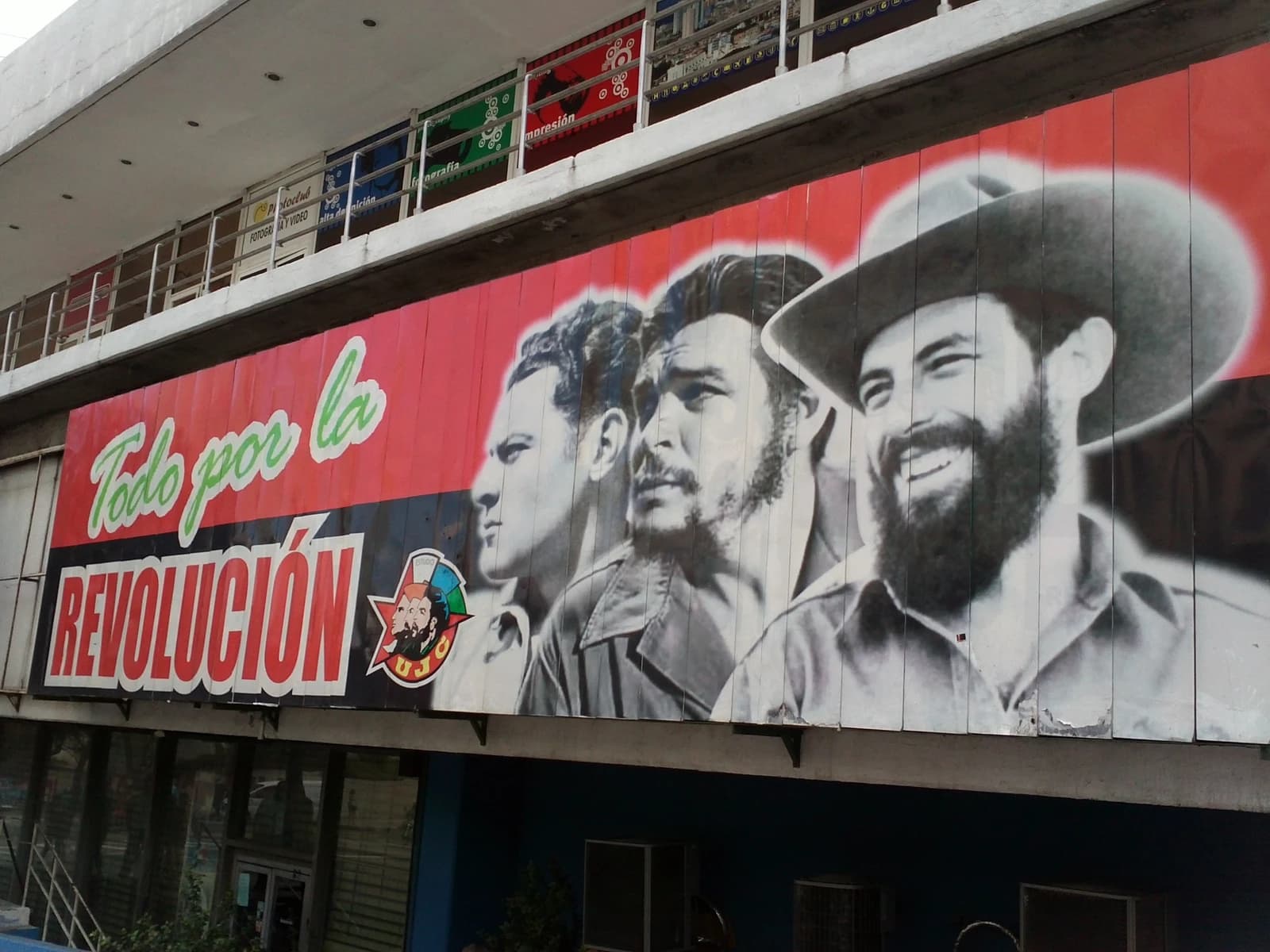
Cuba’s president used a rare political and economic pitch to double down on state control of the financial system, invoking Che Guevara’s “new man” as he claimed the Communist Party’s authority over banking, a move that underscores how little room there is for market reform on the island.
Cuba Tightens Party Control Over Banking
The message matters because Cuba’s banking system is not just a policy lever but one of the few remaining channels through which the government can allocate scarce hard currency, ration credit and manage a prolonged economic crunch. In a country still wrestling with inflation, shortages and weak investment, tighter party oversight of banks points to more centralised distribution of capital rather than a broader opening to private enterprise.
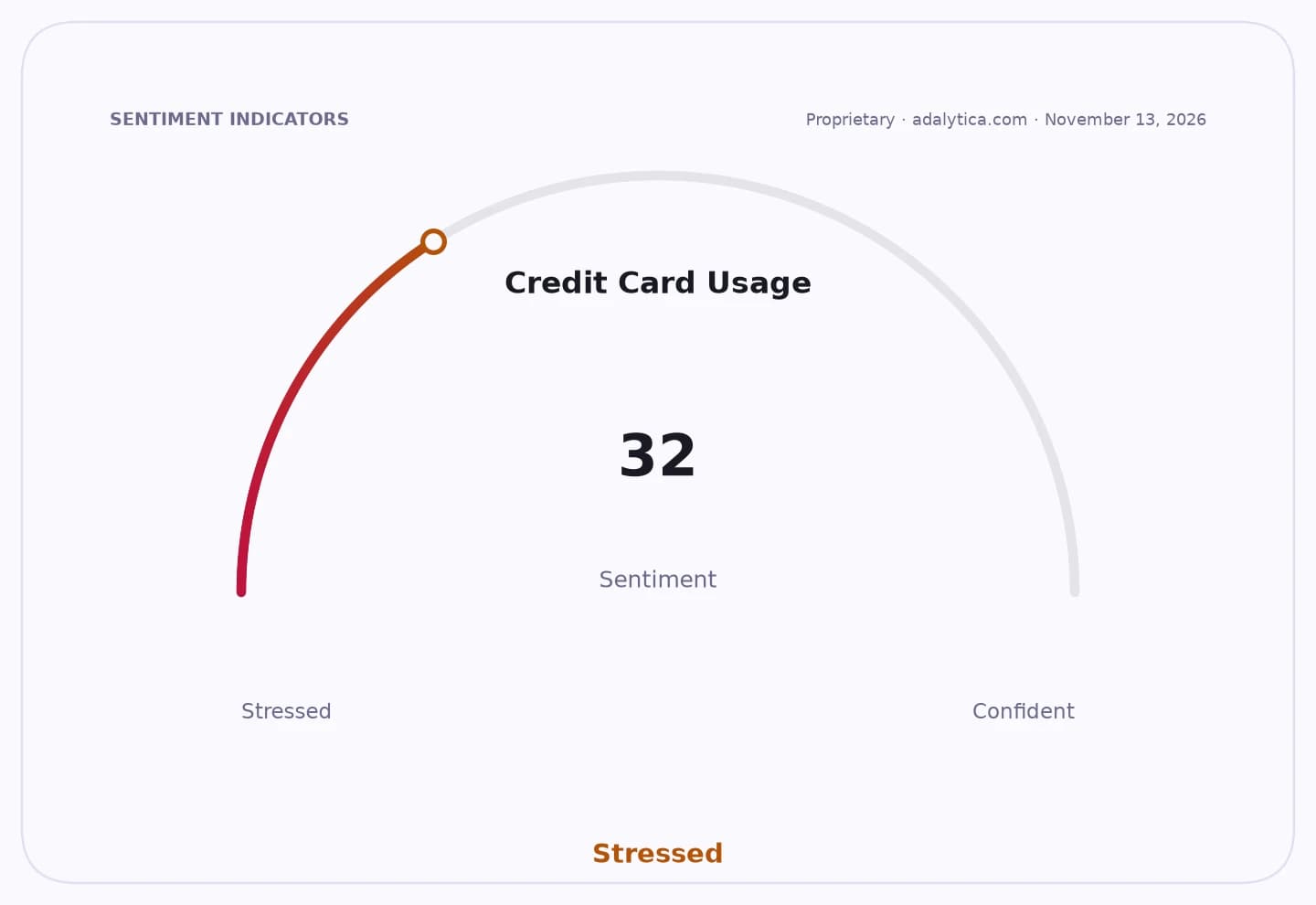
Sentiment Indicators
For investors and creditors, that has a clear implication: Cuba is signalling continuity in its interventionist model, not liberalisation. Any hope for faster financial reform, more transparent lending or greater autonomy for state banks is likely to remain limited as long as the ruling party treats the sector as an instrument of political control. That raises execution risk for state-led stabilisation efforts and keeps foreign capital on the sidelines.
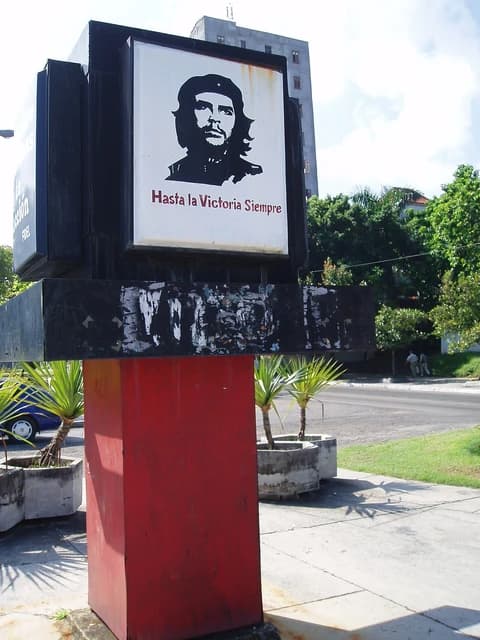
The reference to Che is also politically significant. Díaz-Canel is tying today’s economic management to the revolutionary canon at a moment when the government needs ideological cohesion as much as liquidity. That suggests the leadership is trying to frame austerity and administrative control not as temporary emergency measures, but as principled economic governance. The state’s ability to mobilise scarce resources may improve in the short run, but the cost is likely to be weaker incentives, slower financial deepening and less confidence among households and businesses.
There is no sign in the available data of any market-based repricing that would suggest a shift in external confidence. In Adalytica’s Global Stability Sentiment gauge, the reading has fallen to 36, neutral, with awareness at 7, indicating extreme fear and a sharp one-day drop of 4 points. The seven-day decline of 36 points points to a rapid deterioration in perceived stability, consistent with a story line dominated by political control rather than reform momentum.
For now, the key question is whether tighter party oversight of banking can preserve enough stability to prevent a broader economic deterioration, or whether it simply extends the policy mix that has already left Cuba short of credit, hard currency and growth. The answer will determine whether this is portrayed as discipline or drift — but for markets, it reads as another sign that the island remains closed to the kind of financial reform that would attract capital.
| Entity | Gains | Losses |
|---|---|---|
| Cuban Communist Party | ▲tighter control | ▼banking autonomy |
| Díaz-Canel government | ▲political discipline | ▼reform credibility |
| State banks | ▲policy backing | ▼lending flexibility |
| Private sector and savers | ▲little | ▼credit access |