Brazil joined Mexico, Uruguay and Nicaragua in publicly condemning the U.S. embargo on Cuba at the XXX Ibero-American Summit in Madrid, sharpening a longstanding diplomatic split over Washington’s sanctions policy and the island’s worsening energy crisis.
Brazil Joins Cuba Embargo Criticism in Madrid

The remarks matter because Cuba’s fuel shortages and electricity disruptions are not just a political grievance — they are feeding a broader humanitarian and economic squeeze on a country already struggling to finance imports and keep basic services running. Havana says the United States has tightened restrictions on energy flows and expanded pressure on third parties that do business with Cuba, effectively deepening the island’s isolation.
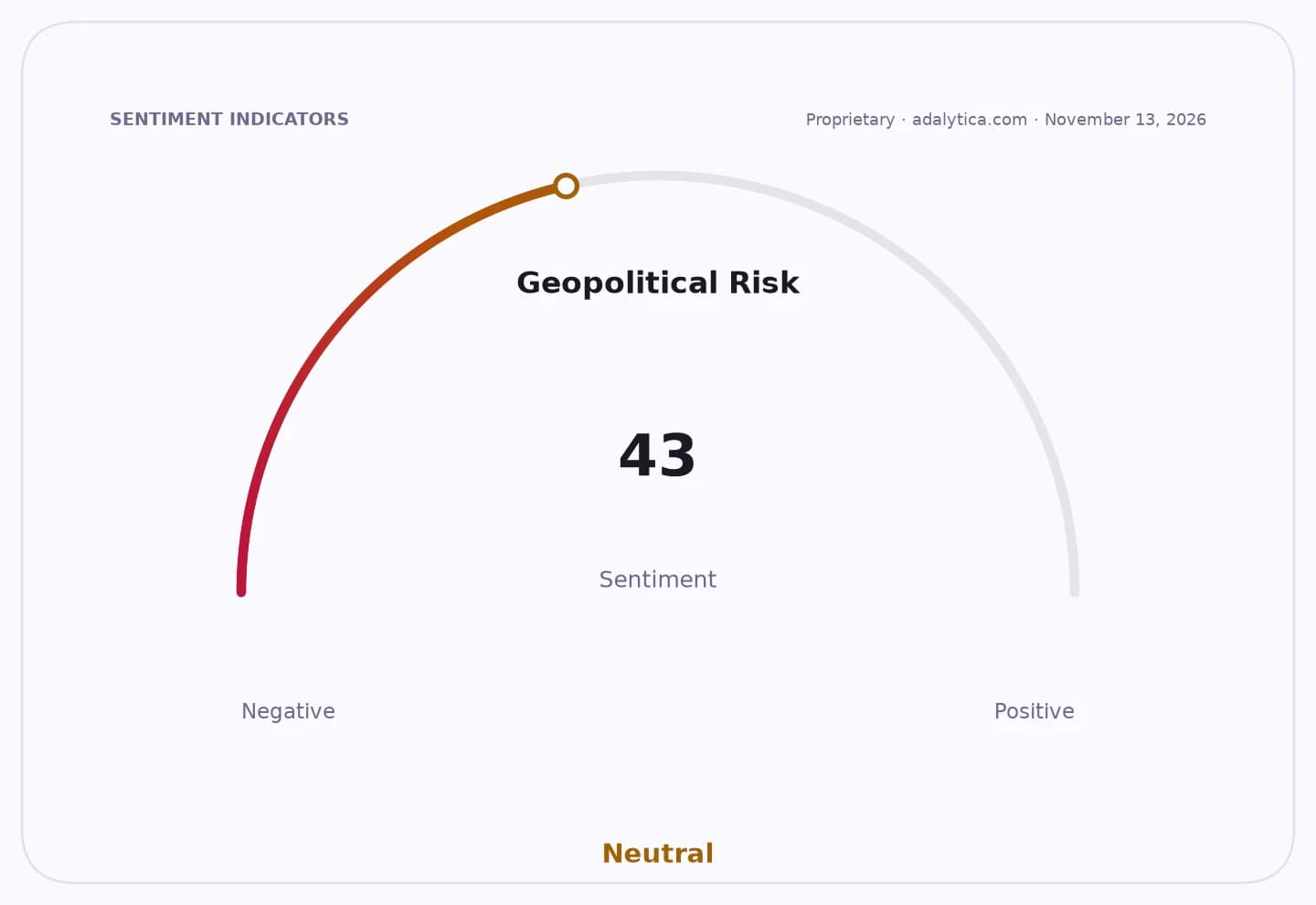
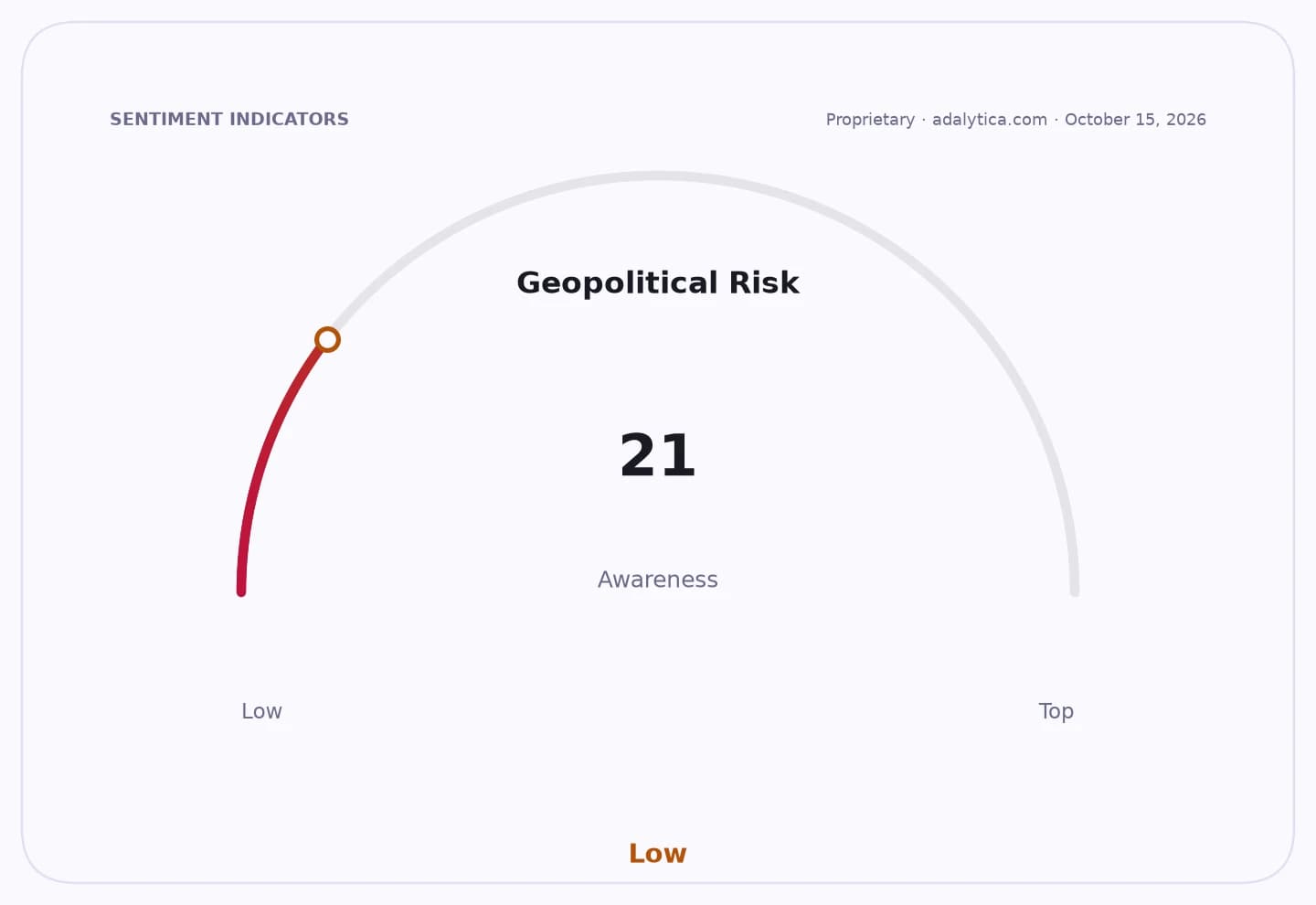
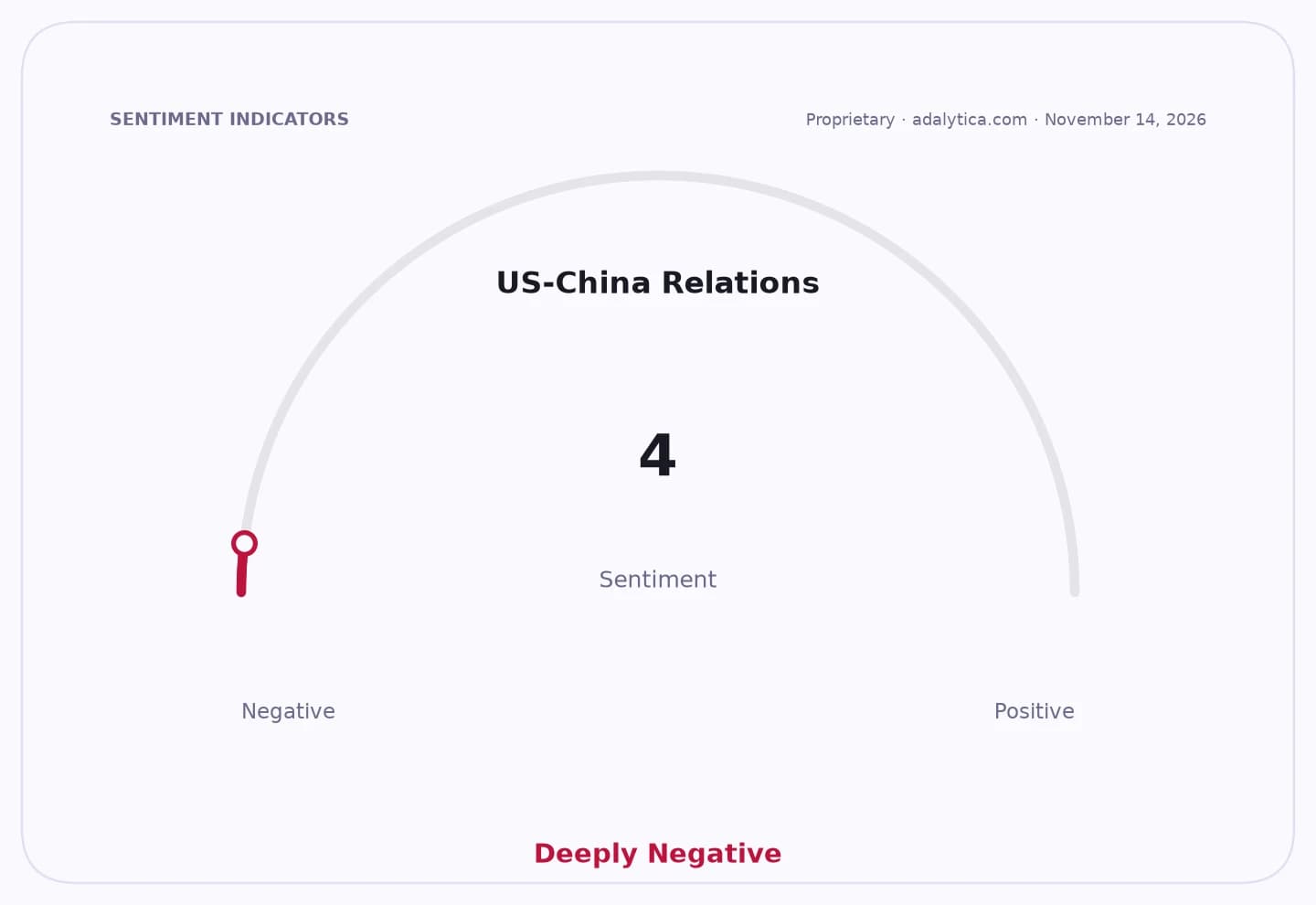
Sentiment Indicators

Brazilian Foreign Minister Mauro Vieira said Washington was trying to “illegally cut off” Cuba’s energy supply, while Mexico said it was reaffirming its “historical” rejection of the embargo and other coercive economic measures. Uruguay and Nicaragua backed the same position, turning the Madrid forum into a coordinated regional rebuke of U.S. policy rather than a routine diplomatic statement.
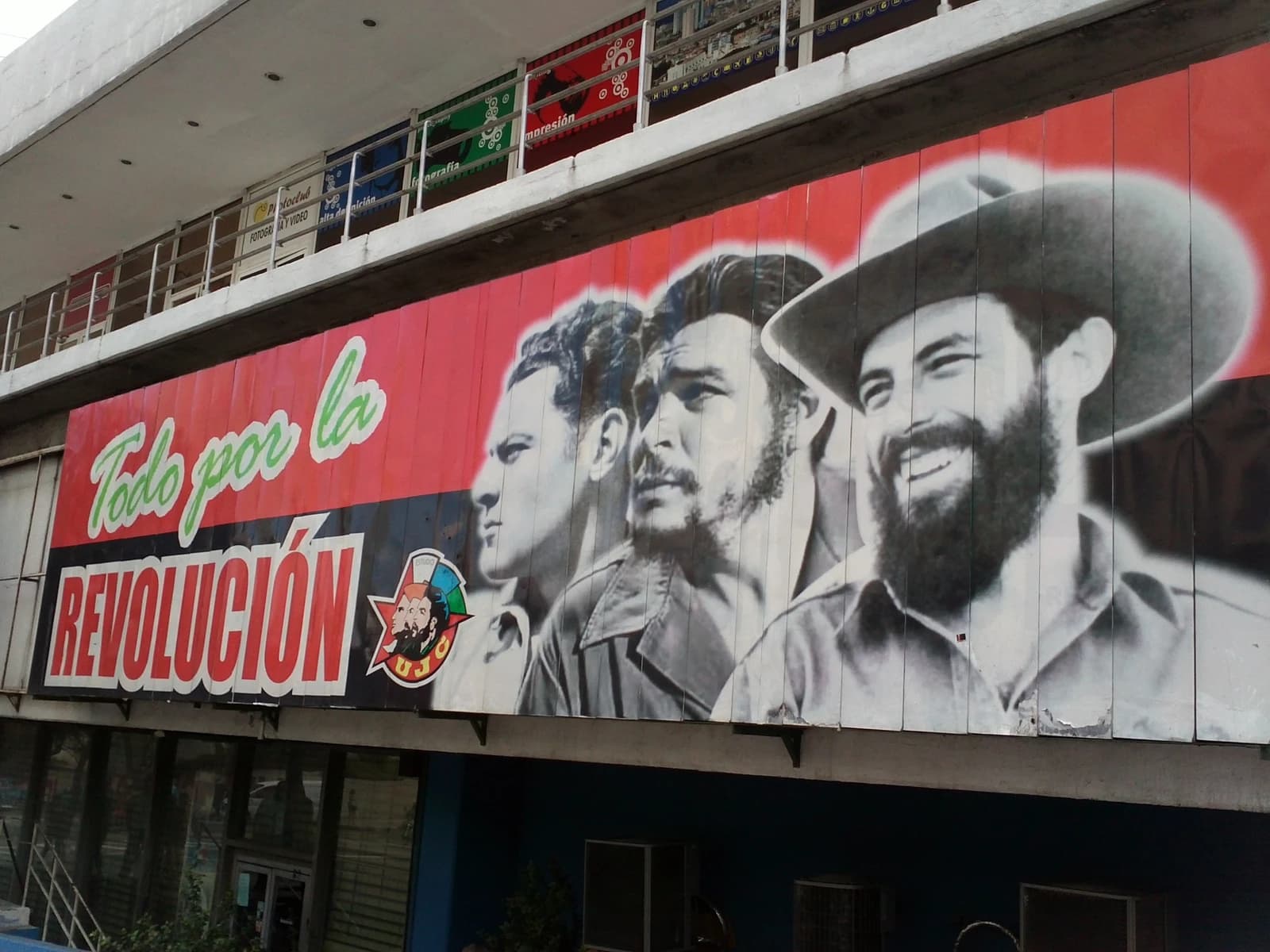
Cuba used the meeting to argue that the embargo has become a direct constraint on daily life, with Foreign Minister Bruno Rodríguez describing a “cerco energético” and warning of secondary sanctions on companies or individuals linked to the island. The government says the damage from the blockade reached $8.08 billion in a year, up 7% from the previous period, underscoring why the dispute remains central to Havana’s economic survival.
For investors, the immediate read is less about direct market exposure than about risk around Latin America’s political alignment, U.S.-regional friction and any spillover into energy, shipping and trade policy. The issue also keeps sanctions risk in focus for firms operating across the Caribbean and broader hemisphere, especially where financing, logistics or fuel supply chains intersect with Cuba-related business.
The standoff is likely to stay on the diplomatic agenda as Cuba presses its case at the United Nations and regional governments continue to use multilateral meetings to reject what they view as extraterritorial pressure from Washington.
| Entity | Gains | Losses |
|---|---|---|
| Cuba | ▲diplomatic backing | ▼sanctions pressure |
| Brazil, Mexico, Uruguay, Nicaragua | ▲regional solidarity | ▼U.S. friction |
| U.S. policy hawks | ▲embargo leverage | ▼hemispheric support |
| Regional trade and logistics firms | ▲clearer policy debate | ▼sanctions uncertainty |