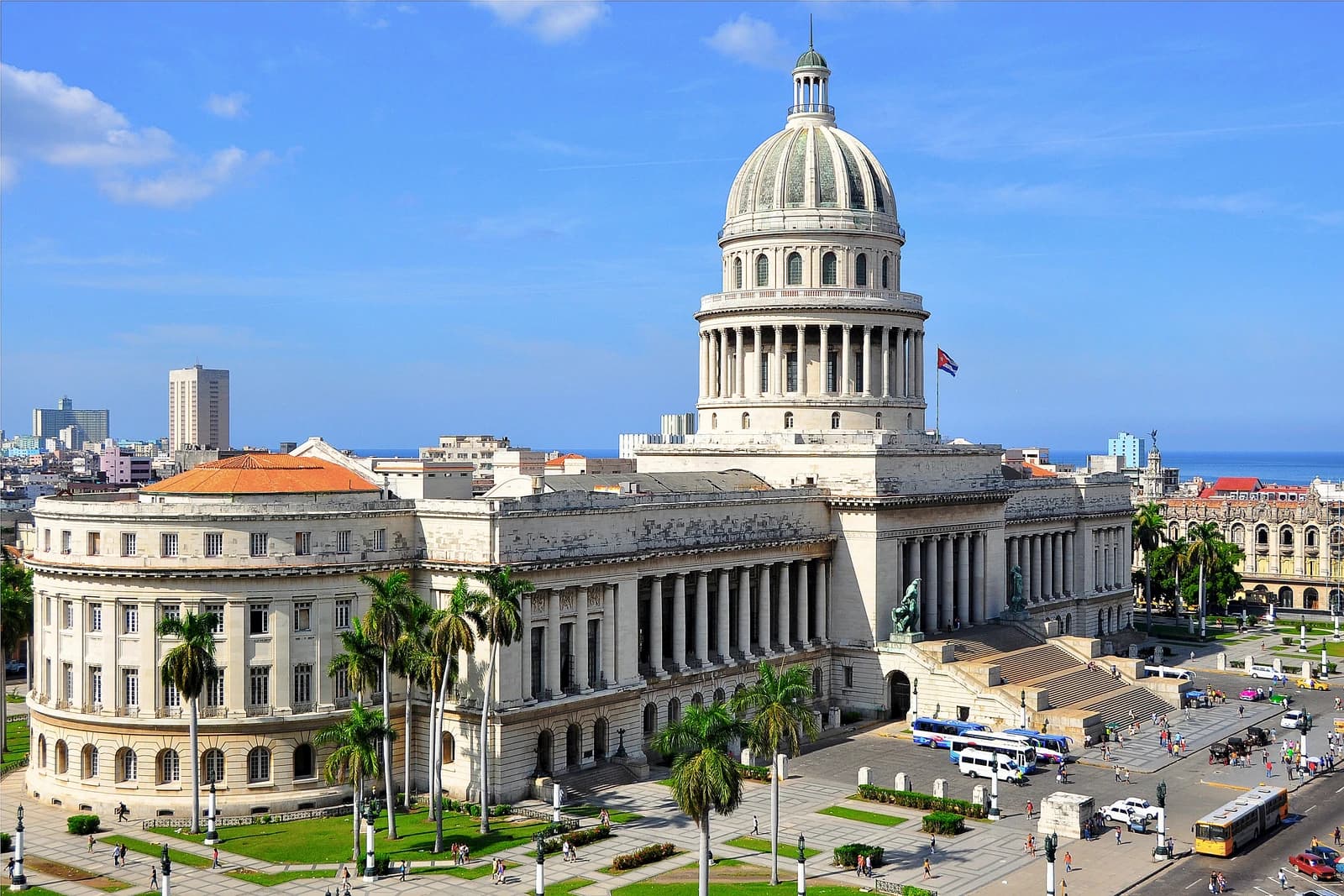
The Trump administration has widened its economic offensive against Cuba by opening the door to sanctions on sectors including electronics, manufacturing, marine and technology, while also naming China-based suppliers accused of supporting Havana’s military and surveillance apparatus.
Cuba Sanctions Expanded to China-Based Suppliers
The move matters because it sharpens a campaign aimed not just at Cuba’s government but at the commercial channels that keep the island’s economy functioning. By extending pressure to foreign suppliers and threatening entities tied to Cuba’s military, Washington is trying to increase the cost of doing business with Havana at a time when the country is already facing rolling blackouts, fuel shortages and a stagnant economy.
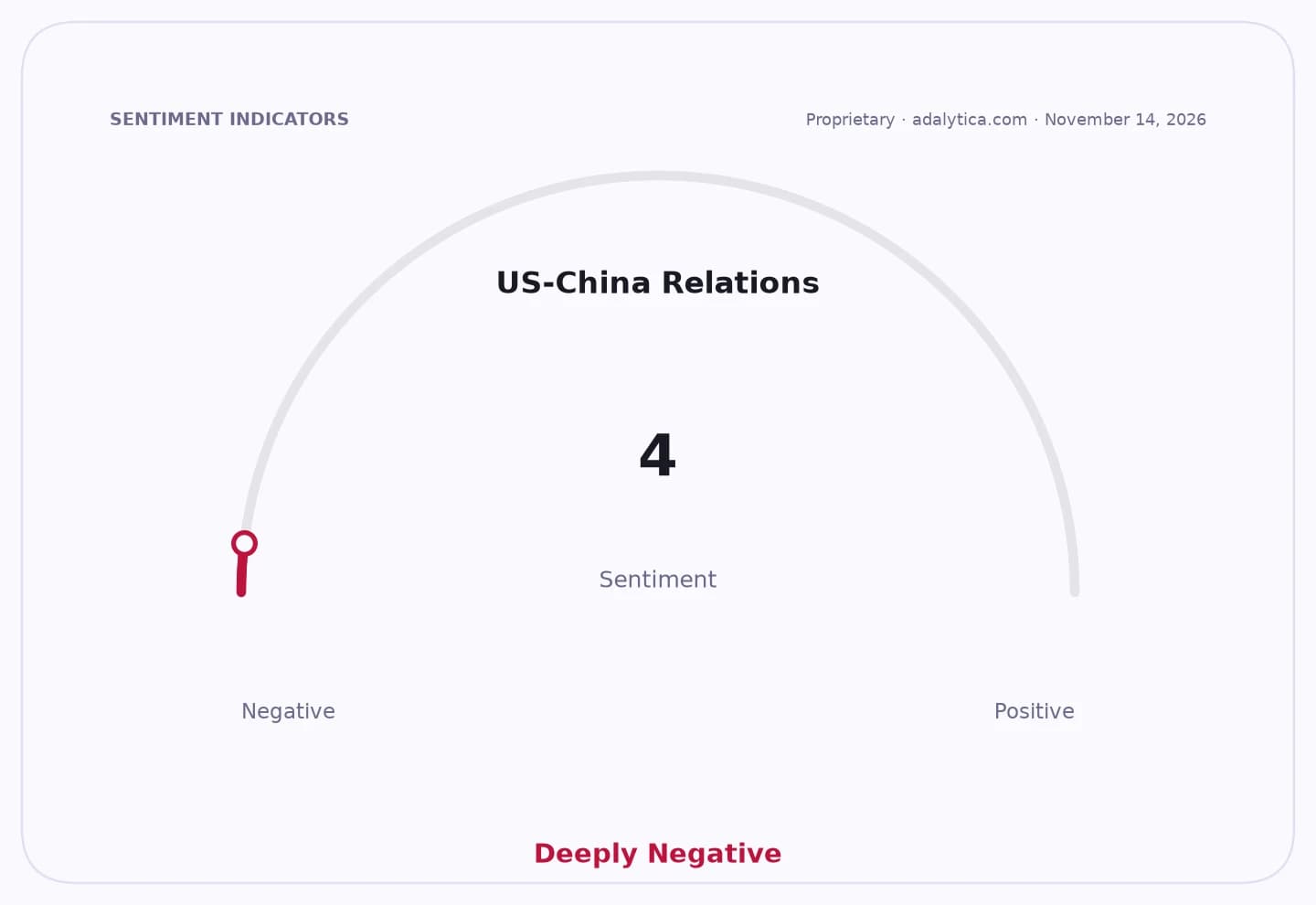
Sentiment Indicators
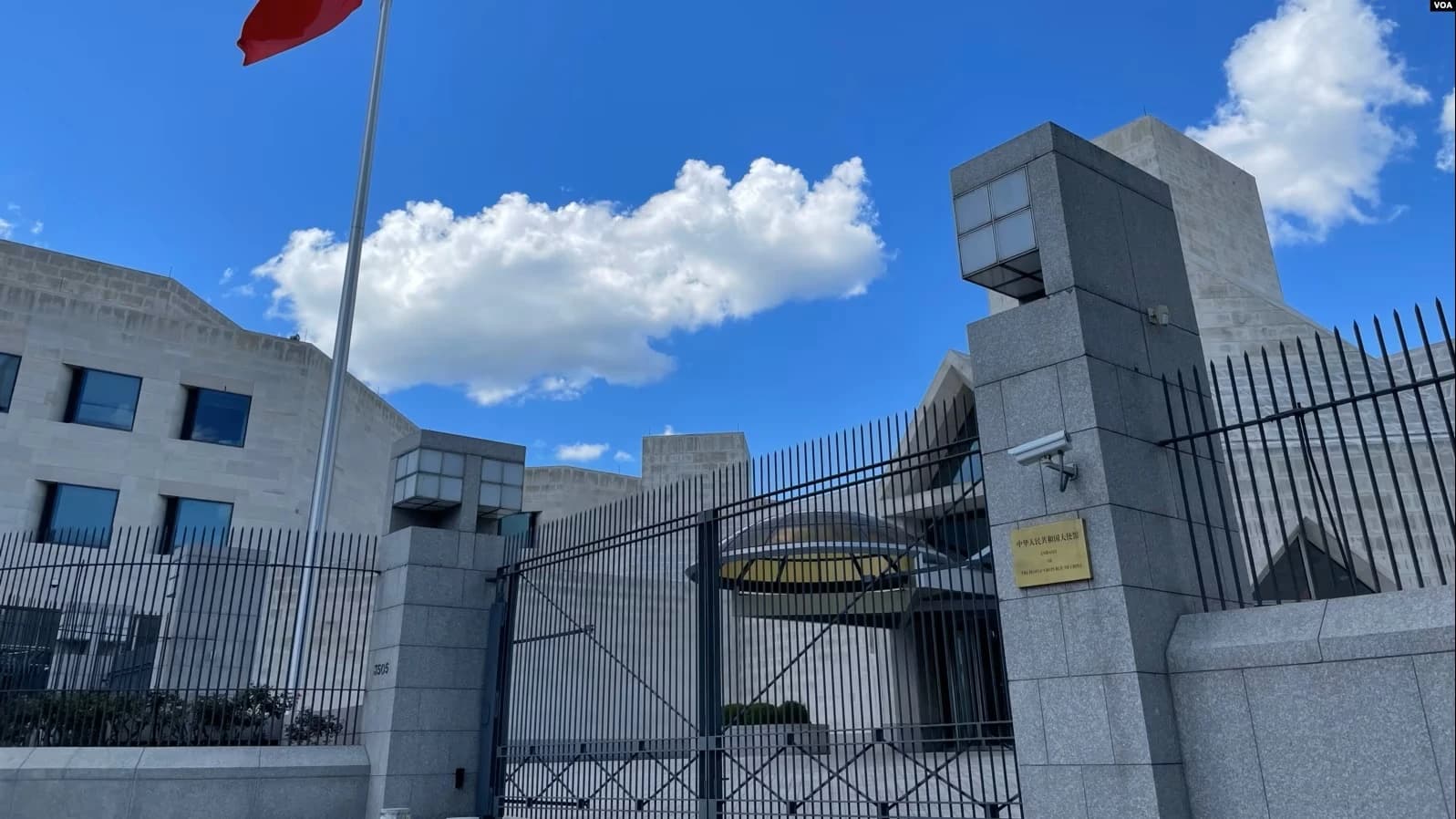
Secretary of State Marco Rubio said Cuba’s ruling elite was “hoarding” energy, shipping and technology resources, framing the measures as a response to internal repression rather than a purely bilateral dispute. Eight entities and two individuals were targeted in the latest action, including China National Electronic Import and Export Company and Beijing H&C Technologies, which the U.S. says procured weapons and sold surveillance and security equipment to the Cuban government.
Economically, the sanctions widen the squeeze on an economy that depends heavily on imported goods, outside financing and access to energy inputs. Cuba’s power grid is old, fuel reserves are thin and daily outages now exceed 24 hours in some places, making any disruption to import channels or counterparties potentially more damaging than the formal sanctions list suggests. The threat of tariffs on any country selling or supplying oil to Cuba, floated earlier this year, has already coincided with more severe blackouts.
For investors, the immediate market impact is limited because Cuba is not a major global trade hub, but the episode is relevant for several reasons. It underscores the risk of secondary sanctions for Chinese firms operating in politically sensitive jurisdictions, adds another layer of friction to US-China relations, and reinforces Washington’s willingness to use trade and financial tools to pursue geopolitical goals. That matters for companies with exposure to compliance risk, cross-border supply chains and state-linked customers in sanctioned markets.
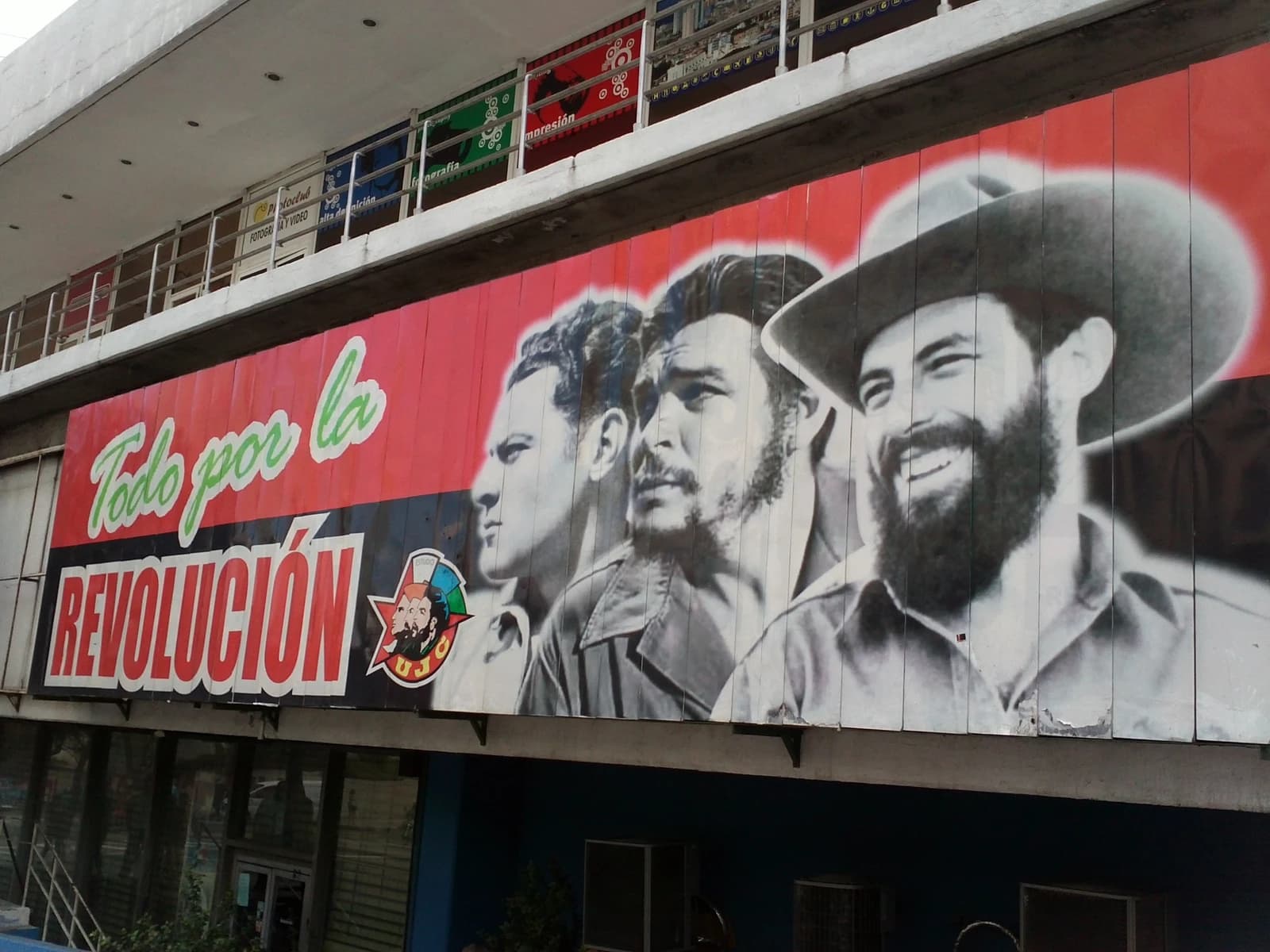
The broader narrative is one of economic isolation being used as leverage. Washington is trying to sever Cuba’s access to technology, logistics and energy support while Havana leans on diplomatic backing abroad and blames the embargo for its crisis. The latest U.N. vote again condemned the embargo, but the U.S. campaign appears to have made some countries more cautious, with a number voting against the resolution or sitting out for the first time.
For markets, the story is less about direct price action and more about policy signaling: tougher sanctions can deepen Cuba’s economic deterioration, increase political instability and raise the odds of further escalation with Chinese entities caught in the middle. The key question now is whether the administration follows through on broader secondary measures, which would further tighten the noose around Cuba’s energy and import lifelines.
| Entity | Gains | Losses |
|---|---|---|
| US administration | ▲Leverage over Havana | ▼Higher geopolitical friction |
| Cuban government | ▲None | ▼Funding, imports, legitimacy |
| China-based suppliers | ▲Access to Cuba market | ▼Sanctions exposure |
| Cuban households | ▲None | ▼Power, fuel, basic goods |