China’s public rebuke of Washington over Cuba underscores how the dispute is spilling beyond bilateral U.S.-Cuba tensions into a wider geopolitical fight over sanctions, sovereignty and the use of legal tools as foreign-policy weapons.
China rebukes U.S. over Cuba arrest warrant report
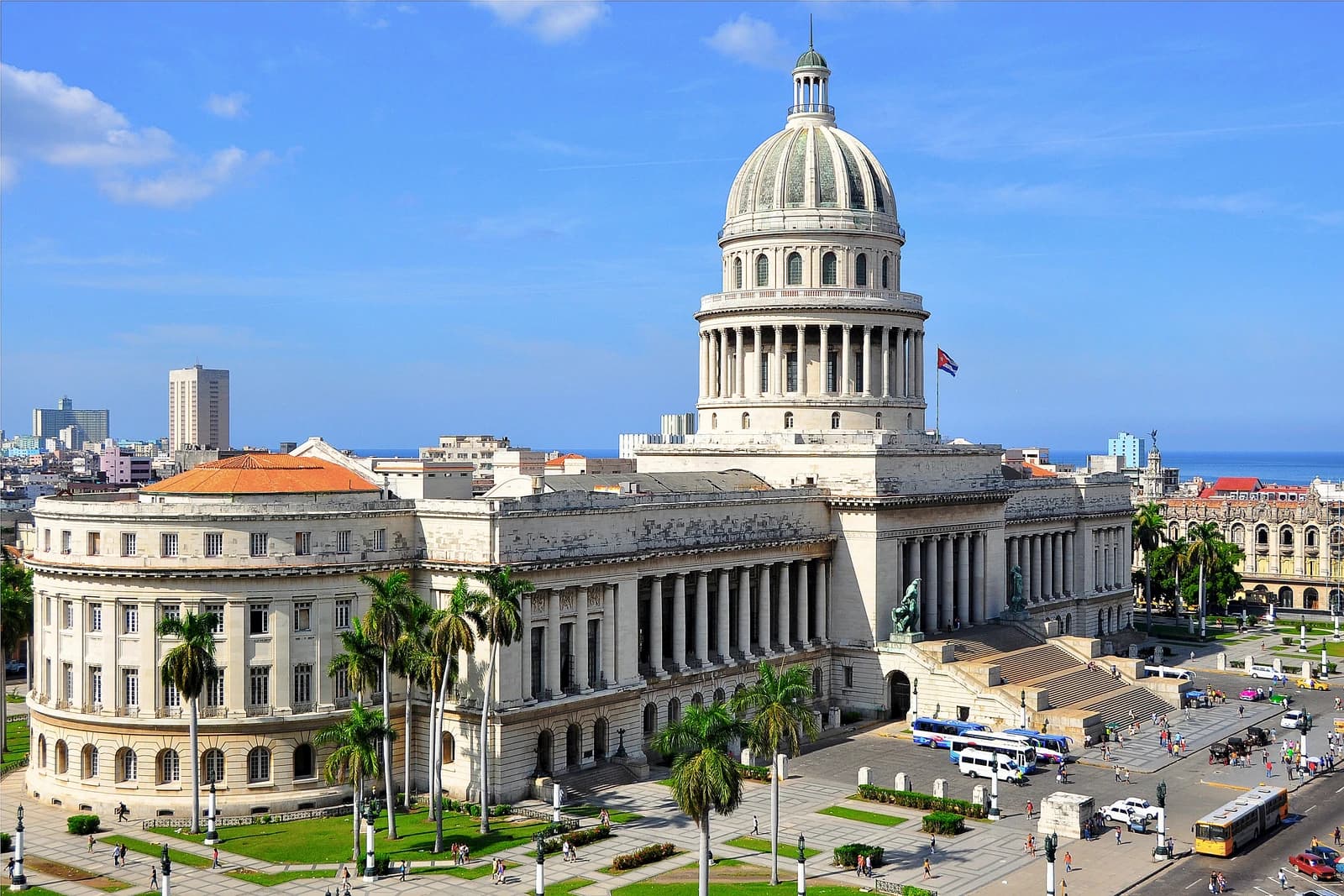
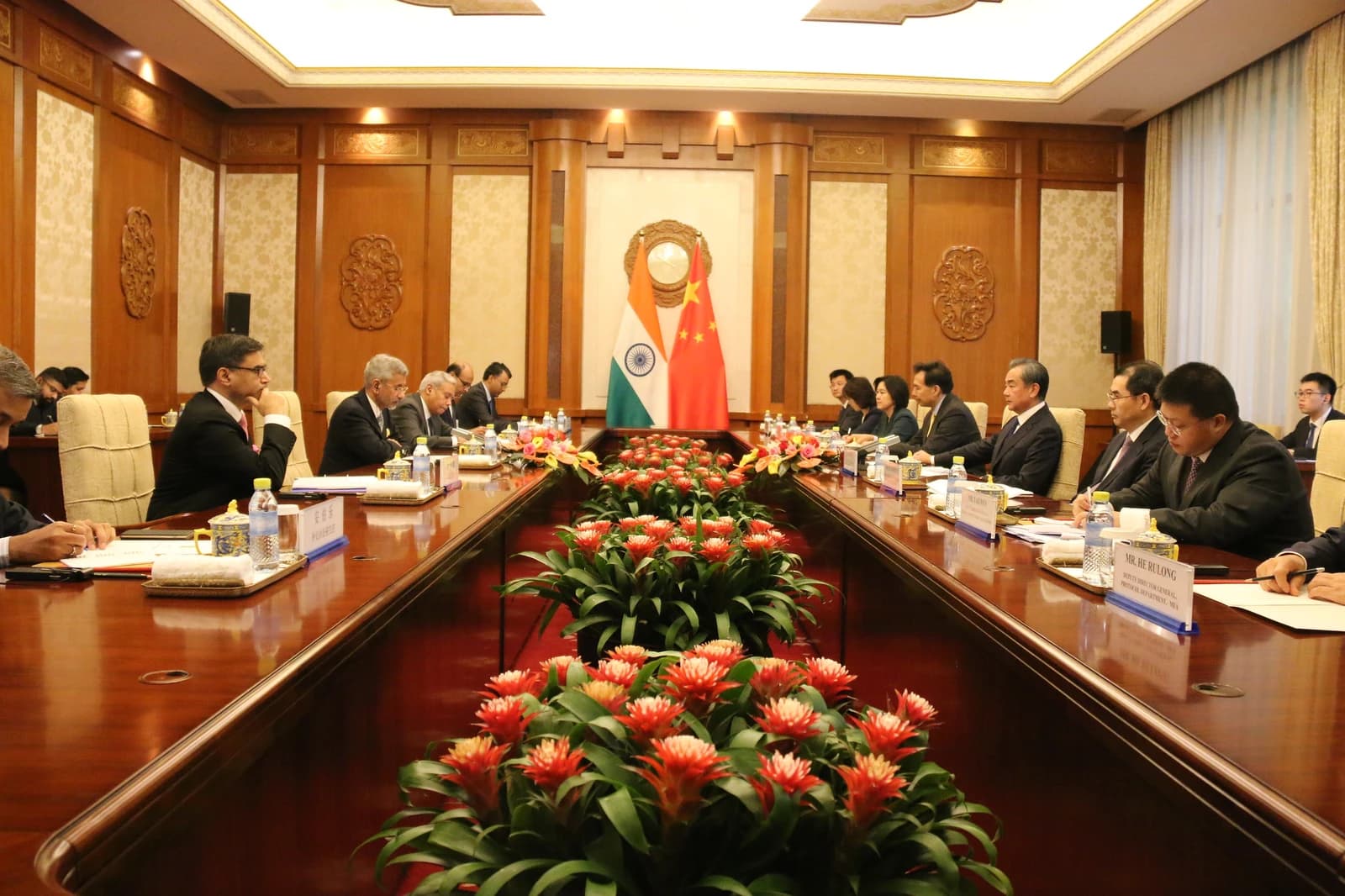
Foreign Ministry spokeswoman Mao Ning said China opposes the “abuse” of judicial measures to pressure Cuba after reports that the Florida attorney general issued an arrest warrant for former Cuban president Raul Castro. Beijing framed the move as coercion against a “venerated Cuban revolutionary leader,” and called on the U.S. to end its blockade and other forms of pressure.
Sentiment Indicators
US-China Relations
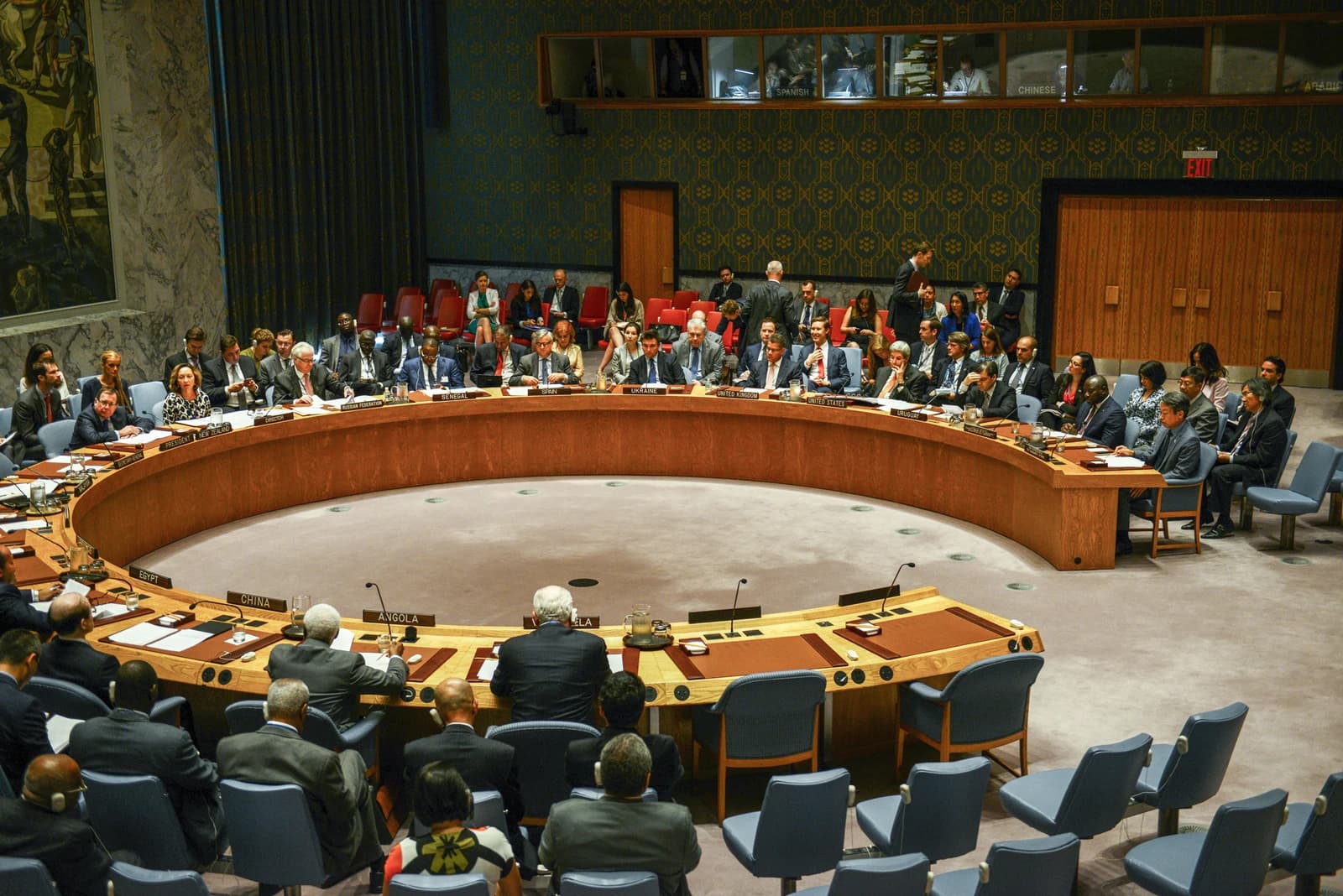
The timing matters. The comments land as Cuba and its allies are already mobilizing ahead of a critical UN vote on the long-running U.S. economic, commercial, financial and energy embargo. That vote has become an annual measure of diplomatic support for Havana, but this year’s debate is sharpening amid reports of US threats and pressure directed at UN member states.
For investors, the immediate market impact is limited, but the broader significance is in the signal: Washington’s Cuba policy is becoming another flashpoint in the contest for influence in Latin America, where several governments and civil groups are pushing back against U.S. pressure. That raises the political cost of Washington’s sanctions posture and increases the chance of retaliatory rhetoric or policy friction in the region.
Geopolitical Risk
The story also feeds into a wider deterioration in US–China relations. Beijing’s alignment with Havana is consistent with its broader stance against what it calls unilateral coercive measures, and it gives China another opportunity to position itself as a defender of developing countries against Western pressure. The issue is less about Cuba’s near-term economic outlook than about how sanctions, diplomacy and legal enforcement are being used as instruments of state power.
For Cuba, the support from China is diplomatically valuable, even if it does little to offset the economic damage from the embargo. For Washington, the episode adds to the risk that its Cuba policy becomes a symbol of overreach at a time when it is already facing criticism from regional actors over extraterritorial sanctions and geopolitical pressure tactics.
The key catalyst to watch is the UN vote. A strong anti-blockade result would reinforce Cuba’s claim of international backing and further isolate the U.S. position; a weaker showing would suggest Washington still has room to defend its policy despite growing criticism.
| Entity | Gains | Losses |
|---|---|---|
| China | ▲Diplomatic influence | ▼None immediately |
| Cuba | ▲Political support | ▼Little economic relief |
| United States | ▲None | ▼Regional criticism |
| Latin American opponents of the blockade | ▲Leverage at UN | ▼U.S. pressure |