China said it is ready to help Cuba confront a worsening fuel shortage that has disrupted transport, utilities and tourism, adding geopolitical backing to an island economy already weakened by power cuts, scarce jet fuel and canceled international flights.
China Offers Cuba Help With Fuel Shortage
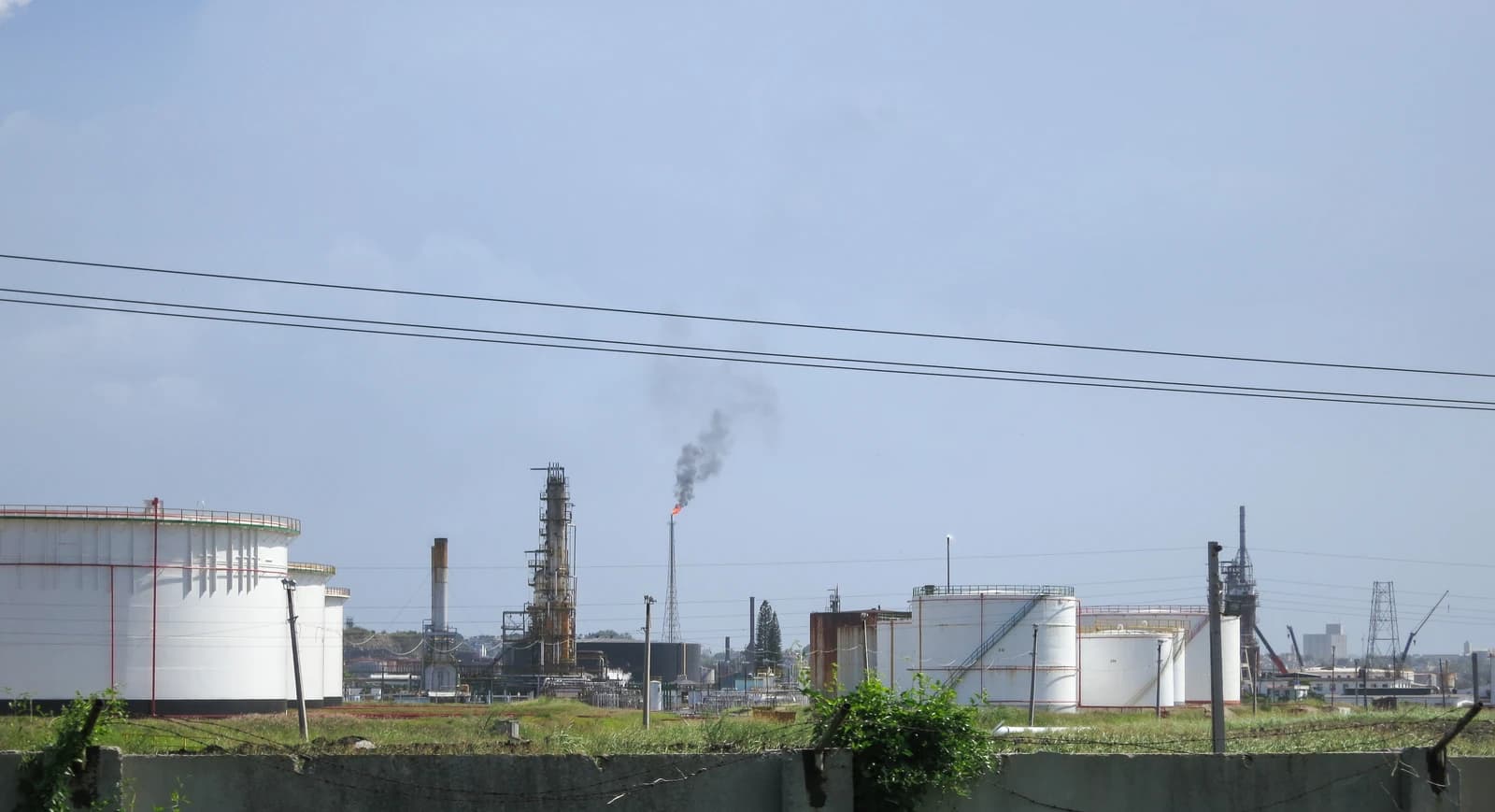
Beijing’s offer matters because Cuba’s energy crunch is no longer just a domestic supply problem; it is now feeding directly into foreign-exchange earnings, public services and growth. The shortage of aviation kerosene has forced flight cancellations, hitting one of the few hard-currency earners still available to Havana, while authorities say the disruption could last for weeks. For a country that relies heavily on imports and external financing, even limited help with fuel or logistics can ease pressure on the balance of payments and keep the tourism sector from deteriorating further.
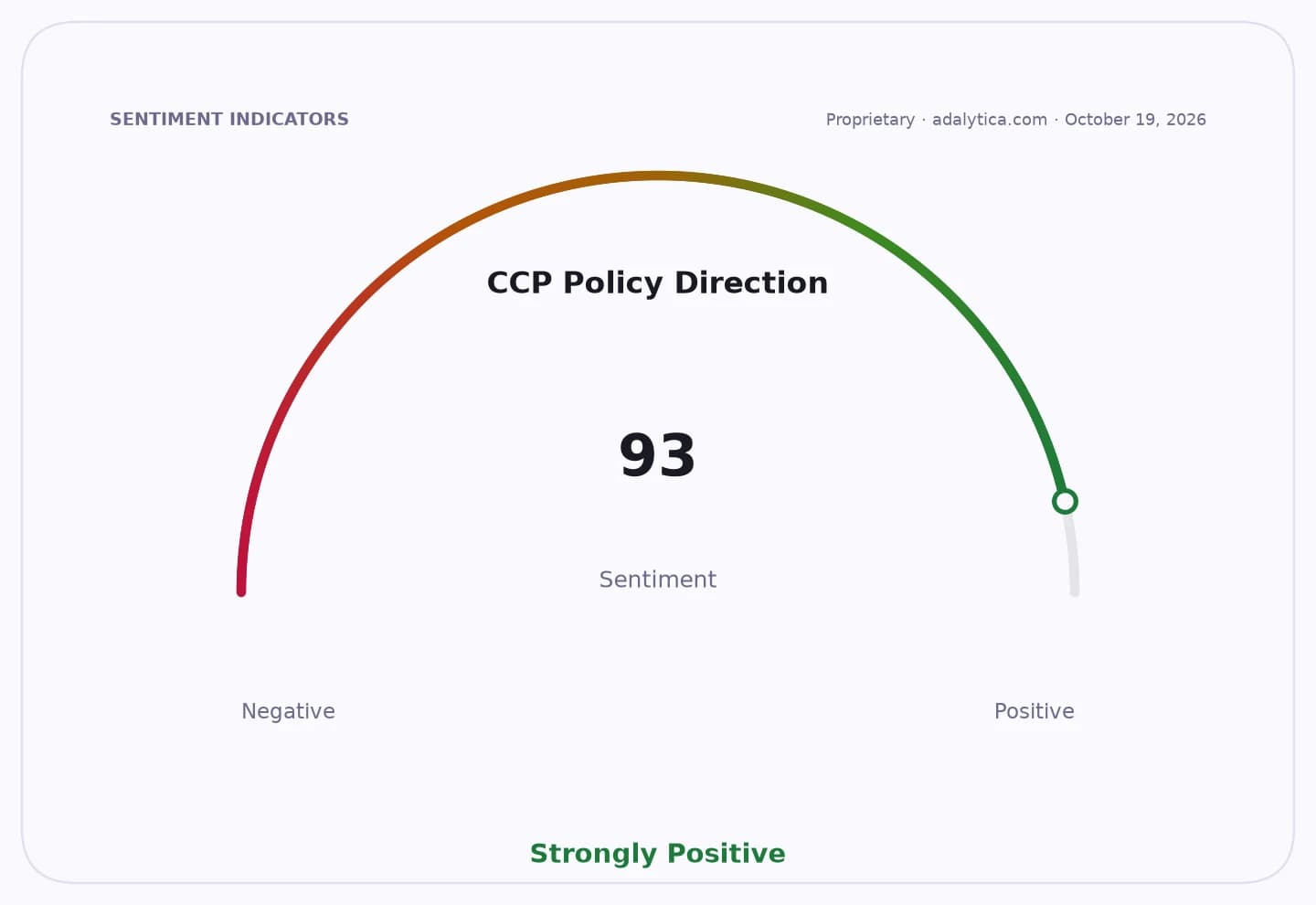
Sentiment Indicators
The statement from Chinese foreign ministry spokesperson Lin Jian did not include concrete measures, only that assistance would be provided “within China’s capabilities.” That leaves open whether support will take the form of fuel shipments, infrastructure aid or financing. Still, the political signal is clear: Beijing is reinforcing a long-standing relationship with Havana and presenting itself as a willing counterweight to U.S. pressure at a time when Cuba is also drawing public support from Mexico and Russia.
For investors and credit watchers, the more important implication is how dependent Cuba remains on external patrons to stabilize basic economic activity. The country has few domestic buffers against energy shocks, and repeated shortages can quickly spill into tourism receipts, consumer activity and state finances. Any help from China could reduce near-term stress, but it does not solve the structural problem of fuel dependency or the lack of hard currency needed to pay for imports.
The market reaction is more indirect than immediate, but the backdrop matters for energy traders and broader geopolitical risk appetite. U.S. crude-focused products such as the United States Oil Fund have remained elevated even as technical indicators show a stretched market, with RSI readings above 80 in recent sessions, underscoring how sensitive fuel markets remain to supply disruptions and geopolitical headlines. Cuba itself is not a major oil consumer in global terms, but its crisis highlights how localized shortages can still intersect with a tight and politically charged energy environment.
The next catalyst is whether China follows its pledge with tangible deliveries or financing, and whether Cuba can keep its transport and tourism systems functioning long enough to avoid a deeper economic slide. If Beijing limits itself to rhetorical support, the relief for Havana will be modest; if it backs the statement with fuel or infrastructure assistance, it would reinforce a broader pattern of Chinese engagement in Latin America just as the island’s dependence on outside help grows.
| Entity | Gains | Losses |
|---|---|---|
| Cuba | ▲Short-term diplomatic support | ▼Economy under fuel strain |
| China | ▲Geopolitical influence | ▼Limited unless aid is concrete |
| Tourism sector | ▲Possible fuel relief | ▼Flight cancellations and weak receipts |
| U.S. pressure campaign | ▲Less effective diplomatically | ▼Faces renewed criticism |