A wave of attacks on 178 high-profile websites is a reminder that the most dangerous cyber risks are increasingly hiding inside third-party tools, not just in a company’s own servers.
Cyberattack on 178 websites lifts security focus
The breach, which reportedly touched sites tied to Zoom, BBC, CNN, IKEA, HSBC, Salesforce and GitLab, matters because it shows how attackers can turn routine web infrastructure into a distribution channel for theft. Rather than breaking into a company’s core systems, hackers allegedly compromised a third-party platform called Optimizer Web and used its JavaScript loading process to inject malicious code that quietly altered crypto wallet addresses and skimmed payment-card data.
Sentiment Indicators
That is economically significant because the damage is no longer limited to one victim at a time. When a shared vendor or platform is hijacked, the blast radius can extend across dozens or even hundreds of brands, multiplying remediation costs, legal exposure and reputational harm. For companies that rely on online checkout, customer logins and embedded testing tools, the attack highlights a structural weakness in the modern digital supply chain: a single weak link can undermine trust across an entire ecosystem.
Investors should read this as a fresh bullish catalyst for cybersecurity spending, especially in identity protection, application security and cloud-delivered threat detection. The market still tends to treat cyber defense as a steady-budget line item, but incidents like this force boards to spend faster and broader. That is exactly why the long-term case for names such as Palo Alto Networks, CrowdStrike and Okta remains intact even after sharp share-price swings. Their products sit where enterprises are most vulnerable: web applications, endpoints, identities and the software supply chain.
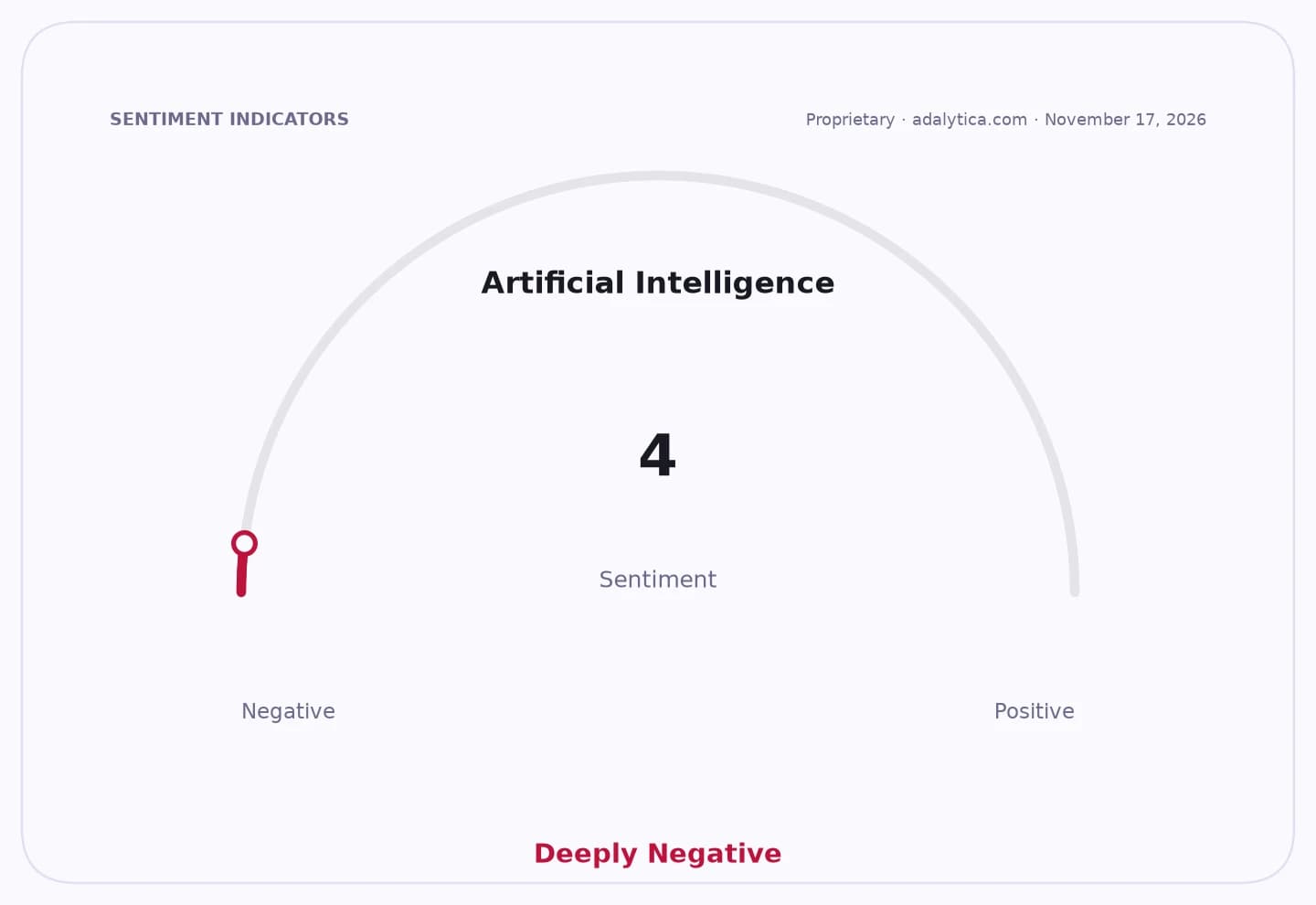
The price action already shows how violent the repricing can be when cyber risk comes back into focus. Palo Alto Networks, CrowdStrike and Okta have all seen elevated volatility, with recent technical readings pointing to oversold conditions after steep pullbacks. That does not make them cheap on its own, but it does underline a familiar pattern: cyber equities often sell off with the broader market, then recover quickly when the next breach makes security spend unavoidable. Adalytica.com’s AI sentiment gauge is sitting in extreme fear, while S&P 500 trade signals remain cautious, suggesting the market is still underpricing how quickly these incidents can translate into renewed demand.
The deeper story is that attack methods are evolving faster than corporate defenses. The reported use of malicious code loaded through an official CDN, combined with wallet-address swapping and card skimming features, is the kind of tactic that makes traditional perimeter security less relevant. It also increases scrutiny on third-party platforms, browser-based security, and the vendors that police embedded code inside websites.
For investors, the takeaway is clear: this is not just another headline breach. It is evidence that cyber security is becoming a mandatory infrastructure spend, and the beneficiaries are the firms that secure identities, web applications and cloud workloads at scale. In a market still fixated on AI capex and macro noise, the smarter trade may be owning the picks-and-shovels of digital trust before the next round of breaches forces the issue.
| Entity | Gains | Losses |
|---|---|---|
| Cybersecurity vendors | ▲Higher security budgets | ▼Slower sales cycles if panic fades |
| Attacked companies | ▲Faster security upgrades | ▼Reputational damage and cleanup costs |
| Consumers and merchants | ▲Better fraud controls over time | ▼Stolen data and payment risk |
| Hackers | ▲Short-term theft opportunity | ▼Greater law-enforcement scrutiny |