Cyprus is stepping up pressure on Chevron to move the Aphrodite gas field from planning into investment, a push that matters because the project is one of the island’s few realistic paths to turning offshore gas into export revenue and a broader energy strategy.
Cyprus Presses Chevron on Aphrodite Gas Field FID
President Nikos Christodoulides told Chevron executive Javier La Rosa in New York that it was time to shift “from plans and promises to actual production,” according to a government statement. The two sides reaffirmed their commitment to develop the field under an approved development and production plan and reviewed the technical and commercial work still needed before Chevron makes a final investment decision.
That decision is the economic hinge. Once Chevron approves the spending, the field would move from a long-delayed concept to a financed development, opening the way for future natural gas production and, eventually, potential monetisation for Cyprus. Without it, Aphrodite remains a stranded asset in commercial terms, even if it remains strategically important for Nicosia.
For Cyprus, the stakes are national rather than just corporate. The island has been trying to leverage offshore hydrocarbons to deepen its role in the eastern Mediterranean energy map, attract foreign capital and add a new earnings stream beyond tourism, shipping and services. A faster timetable would strengthen the government’s case that Cyprus can convert its gas resources into tangible economic gains, including jobs, infrastructure spending and possible export or regional supply agreements.
For Chevron, the project sits inside a wider portfolio where capital discipline matters as much as resource quality. The company has been trading well above its 50-day and 200-day moving averages in recent sessions, but its technical momentum has cooled after a sharp run-up, underscoring that investors are already pricing in substantial operating strength elsewhere in the business. A clearer Aphrodite timeline could support the long-term reserve story, but delay would reinforce the market’s view that the project is still more strategic optionality than near-term earnings driver.
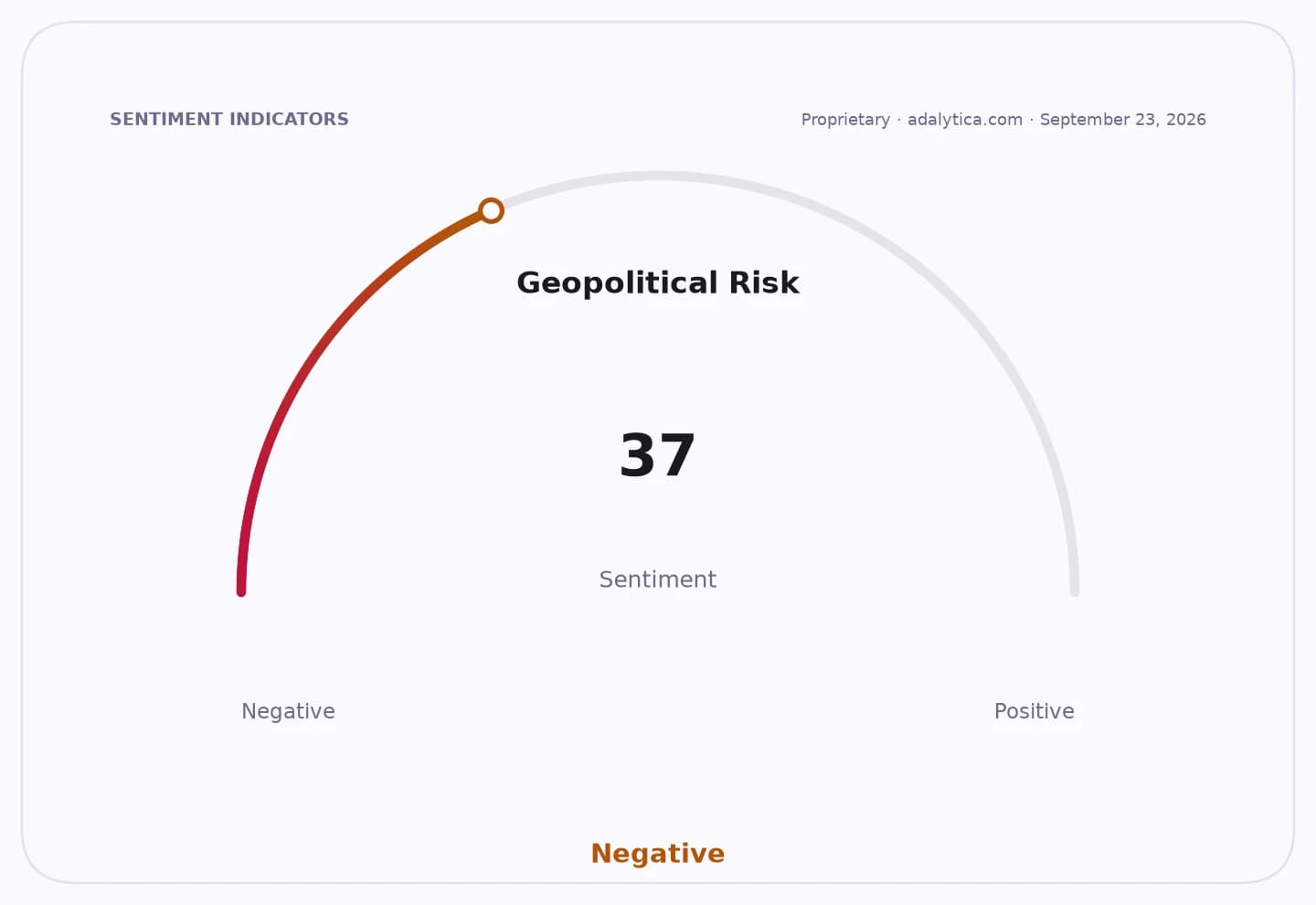
The broader backdrop is also relevant. Global energy markets remain sensitive to geopolitics, and Cyprus wants to position itself as a stable supplier at a time when energy security still carries political value in Europe and the Mediterranean. That is why the final investment decision matters so much: it is not just a corporate milestone, but a test of whether offshore gas can finally become a cash-generating asset rather than a recurring diplomatic talking point.
For investors, the near-term focus will be whether Chevron provides firmer timing on the final investment decision and whether the commercial terms can clear the last hurdles. Until then, Aphrodite remains a story of strategic promise waiting on execution.
| Entity | Gains | Losses |
|---|---|---|
| Cyprus government | ▲Energy credibility | ▼Delay in gas revenues |
| Chevron | ▲Long-term reserve optionality | ▼Capital tied up in waiting |
| Local economy | ▲Future investment and jobs | ▼Lost time to monetise resources |
| Competing gas suppliers | ▲None | ▼Potential future competition |