A proposal to lift Czech groundwater pumping fees is emerging as a fresh test of the ruling coalition’s willingness to raise levies on households, companies and farms as Prague searches for ways to narrow the budget deficit.
Czech groundwater fees rise in coalition dispute
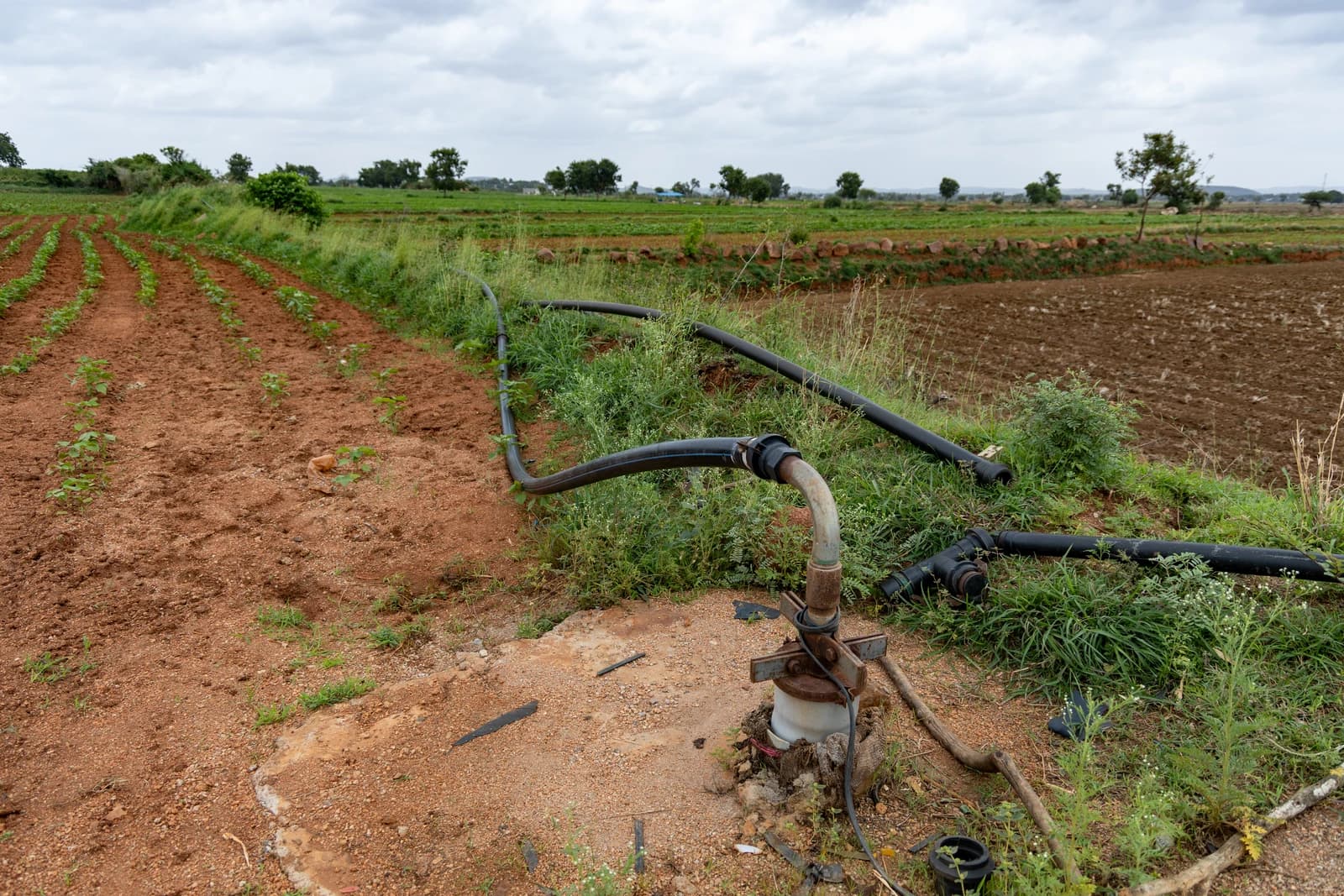
Motorists, the junior partner in the government, want the issue back on the agenda at Monday’s coalition meeting with ANO and SPD, after backing a plan to raise charges from 2 koruny for households and 3 koruny for companies to 7 koruny per cubic meter, according to party lawmaker Filip Turek. The measure would increase the cost of groundwater abstraction by 5 koruny per 1,000 liters, or 0.005 koruna per liter, while exempting small municipalities and household well users with annual withdrawals below 6,000 cubic meters.
Sentiment Indicators
Economically, the dispute matters because it sits at the intersection of fiscal consolidation, water infrastructure funding and the politics of climate adaptation. The agriculture ministry wants much of the additional revenue to flow to its budget, with plans to use the money for interconnecting water systems, building wastewater treatment plants and developing new water sources as the country adapts to drought and climate change. The change would also reallocate an existing revenue stream away from regions, which currently use the proceeds to fund local water infrastructure.
That makes the proposal more than a symbolic fee tweak. It is effectively a redistribution of costs and investment responsibilities across the state, regions, utilities, farmers and industrial users. For households, the direct price impact would be limited, but for water-intensive businesses and food producers, the higher levy would add to already rising operating costs. The Czech Agricultural Association has already sought an exemption, arguing that farmers facing drought and higher input costs should not be hit with extra charges.
The political stakes are rising because the coalition is simultaneously debating broader sector taxes, including a possible one-off levy on refineries and speculation about bank, energy, telecom and retail taxes. Turek said he opposes such measures, but also acknowledged that if the government wants to bring down deficits, it will have to consider less attractive options. That leaves the groundwater fee debate as part of a wider fiscal squeeze rather than a standalone water policy issue.
For investors, the immediate listed-company exposure is limited, but the direction of policy matters for regulated utilities and water infrastructure groups. Higher abstraction fees could support future spending on network upgrades and treatment capacity, which is generally constructive for water utilities and equipment suppliers, even if it raises operating costs for agricultural and industrial users. The issue also reinforces the broader message that Czech policymakers are willing to use sector-specific charges and targeted levies to shore up public finances.
Publicly traded U.S.-listed water utilities such as American States Water, California Water Service Group and American Water Works have recently reported higher purchased-water costs and source-mix shifts, underscoring how input-price pressure can move through regulated water systems. While those companies are not directly affected by Prague’s proposal, the policy logic is similar: scarce water is becoming more expensive to move, treat and secure, and regulators are increasingly trying to make users pay for that reality.
The larger question is whether the coalition can agree on a politically sustainable mix of higher fees and sector taxes without provoking resistance from regions, farmers and industry. If it cannot, the government will have to look elsewhere for deficit reduction. If it can, Czech water pricing could become a template for broader attempts to fund adaptation spending through user charges rather than general taxation.
| Entity | Gains | Losses |
|---|---|---|
| Czech agriculture ministry | ▲More budget revenue | ▼Less regional control |
| Regions and municipalities | ▲Potential investment projects | ▼Existing fee income |
| Households with wells | ▲Exemption preserved | ▼Little direct benefit |
| Farmers and water-intensive firms | ▲None | ▼Higher operating costs |