The Czech government is preparing a contingency plan to cut household and self-employed energy bills if gas and electricity prices keep climbing, a sign policymakers are bracing for another squeeze on consumers as Europe’s winter energy stress intensifies.
Czech Republic Plans Emergency Energy Bill Relief
Industry and Trade Minister Karel Havlíček said ministers will discuss the plan on Nov. 9, with the package combining a reduction in the regulated part of customer bills and price caps at the producer level. The cabinet would not trigger either measure immediately, but would keep them ready for rapid deployment if prices cross an unspecified threshold.
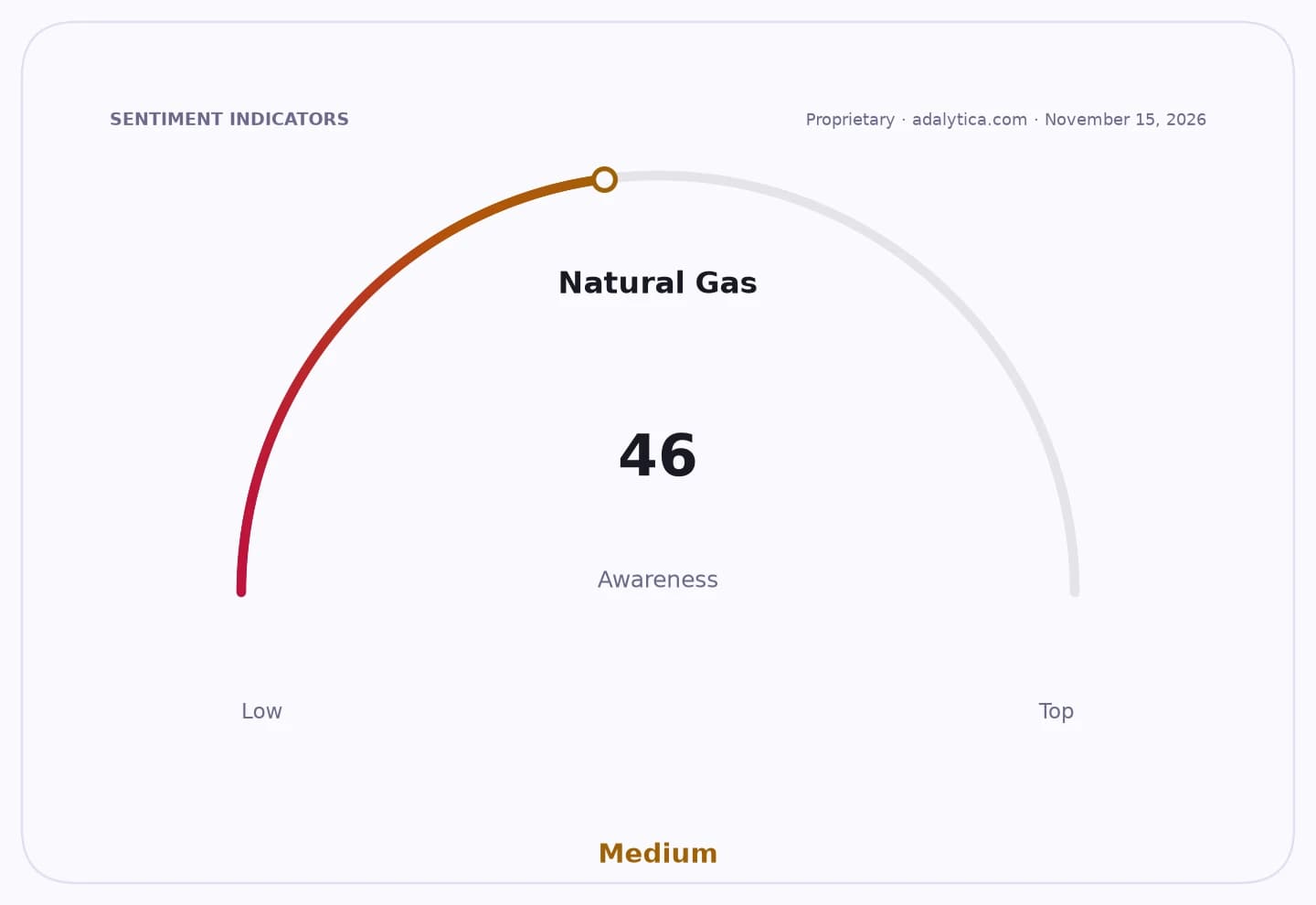
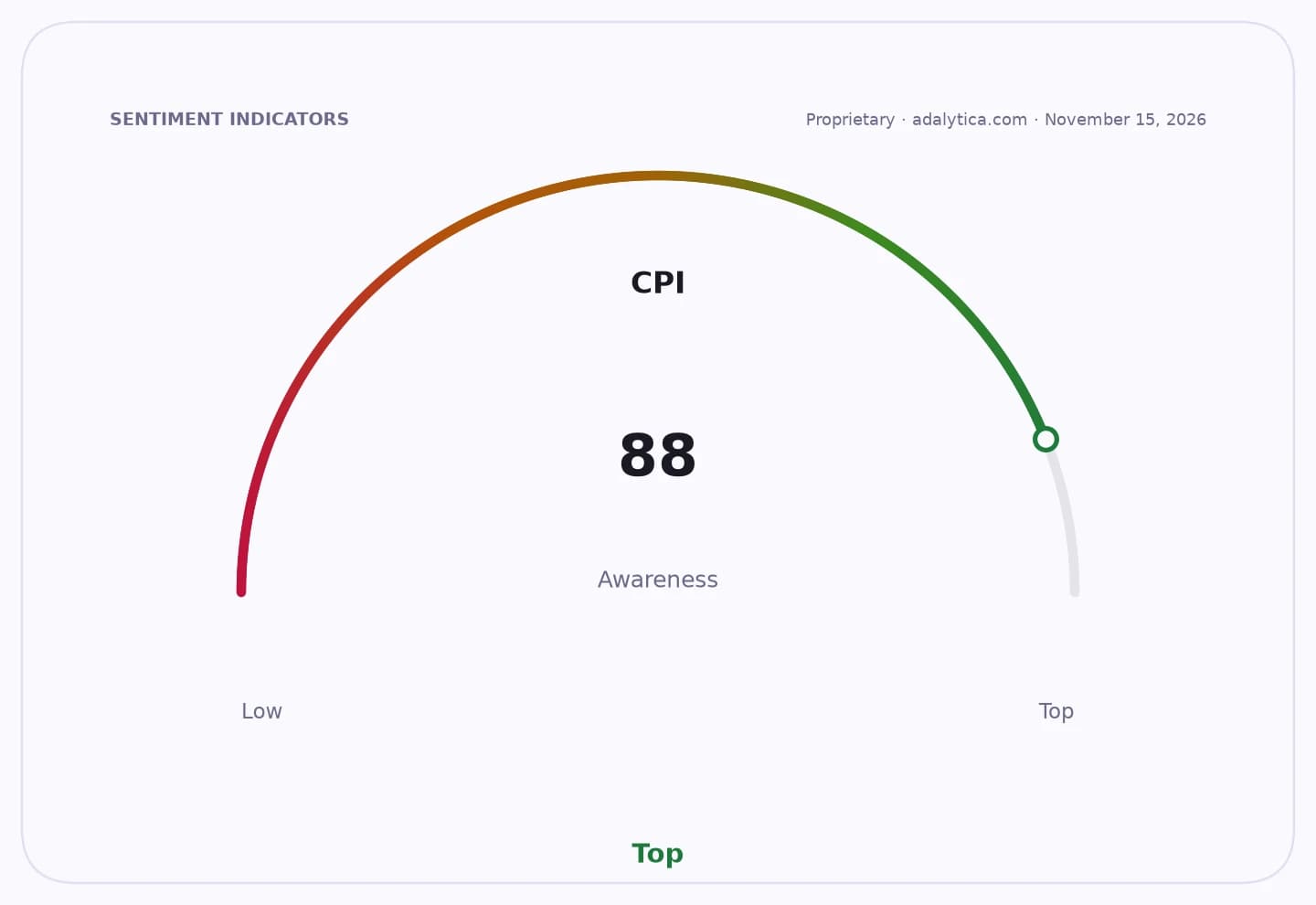
The move matters because energy costs are feeding directly into household inflation and political pressure across Europe. Czech gas and power prices have risen by tens of percent since March, and suppliers are passing the increases through to customers. Wholesale European gas prices recently briefly hit €100 per megawatt-hour, the highest since December 2022, versus about €30 at the start of the year.
That backdrop is why the government is looking at a two-pronged response. Lowering the regulated component of bills would reduce what households pay without freezing the full retail price, while producer caps would aim to restrain the upstream cost surge that is driving the jump in final prices. Gas-fired generation also helps set electricity prices in Central Europe, so higher gas costs can spill into power bills quickly.
For investors, the plan underscores the risk of more intervention across the energy chain. Utilities and producers face tighter margins, while consumer-facing energy businesses could see demand pressure from higher bills and regulatory uncertainty. The Czech state has already moved into fuel markets, setting daily maximum petrol and diesel prices since October and capping retailers’ margins while cutting diesel excise duty.
Prague is also moving on taxes. A September-approved levy on elevated refinery margins in 2026 and 2027 is still in parliament and would charge 50% of the increase in gross margins versus 2025, with Orlen Unipetrol the main target. Havlíček said coalition leaders may discuss yet another sector-specific tax, adding to the pressure on energy-related companies.
The broader narrative is simple: governments that spent the past two years trying to buffer households from energy shocks are again being forced to consider direct price intervention as Europe heads into winter with gas markets still volatile. If prices keep rising, Czech officials appear ready to act quickly — and investors across utilities, fuel suppliers and refiners will be watching for follow-through.
| Entity | Gains | Losses |
|---|---|---|
| Czech households and self-employed | ▲Lower energy bills | ▼Delayed relief if prices keep rising |
| Czech government | ▲Political cover on inflation | ▼Fiscal risk and policy complexity |
| Energy producers and utilities | ▲None | ▼Margin pressure from caps |
| Orlen Unipetrol and refiners | ▲None | ▼Windfall tax burden |