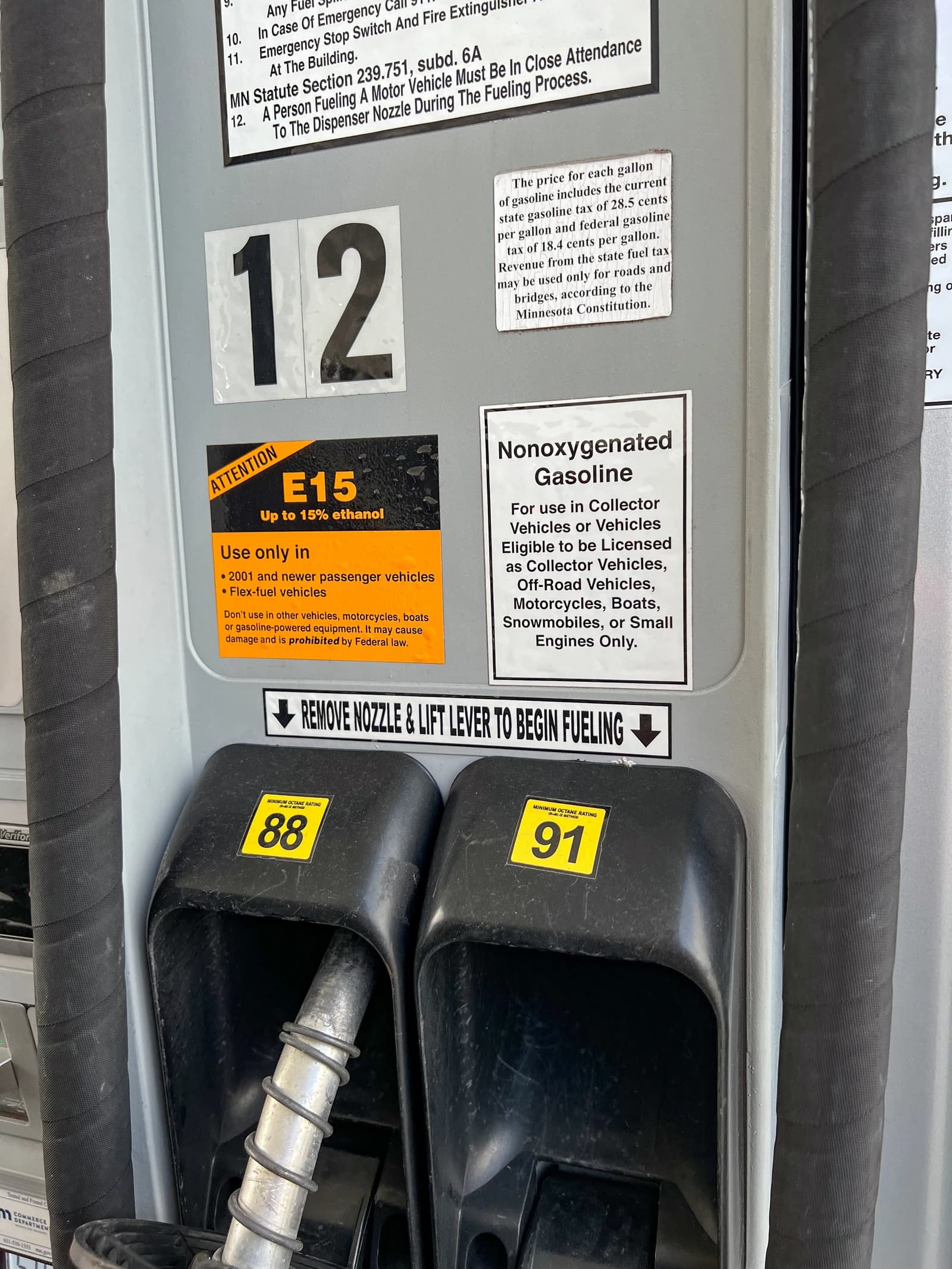
Juan Marte is pressing the Dominican government on a politically sensitive question with broader economic implications: if international oil prices have fallen, why are local fuel prices not adjusting faster?
Dominican Republic Fuel Prices Lag Falling Oil
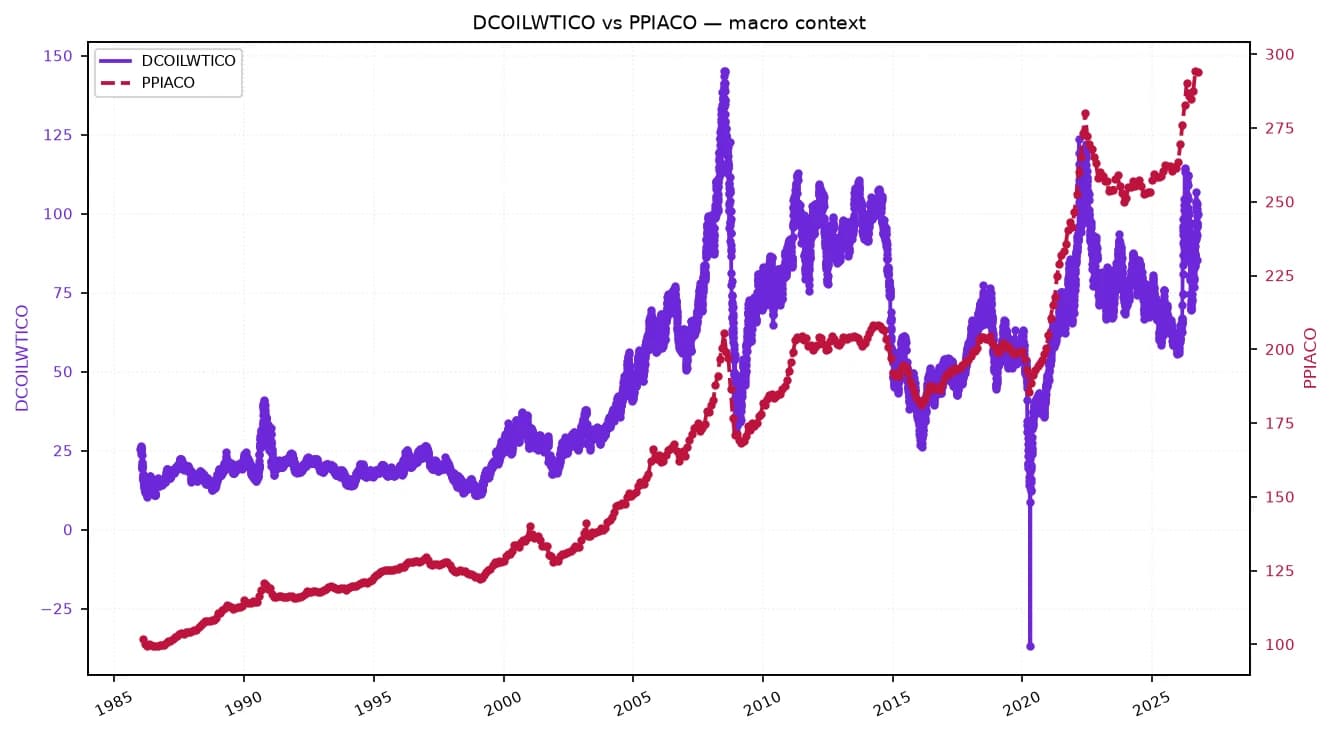
The head of the National Confederation of Transportation Workers said West Texas Intermediate, the benchmark used by the country for its purchases, dropped $12 over the past week and argued that decline should be filtering through to prices paid by Dominican consumers. His criticism goes to the heart of how fuel pricing is transmitted into a small, import-dependent economy, where oil moves quickly into transport costs, food prices and household inflation.
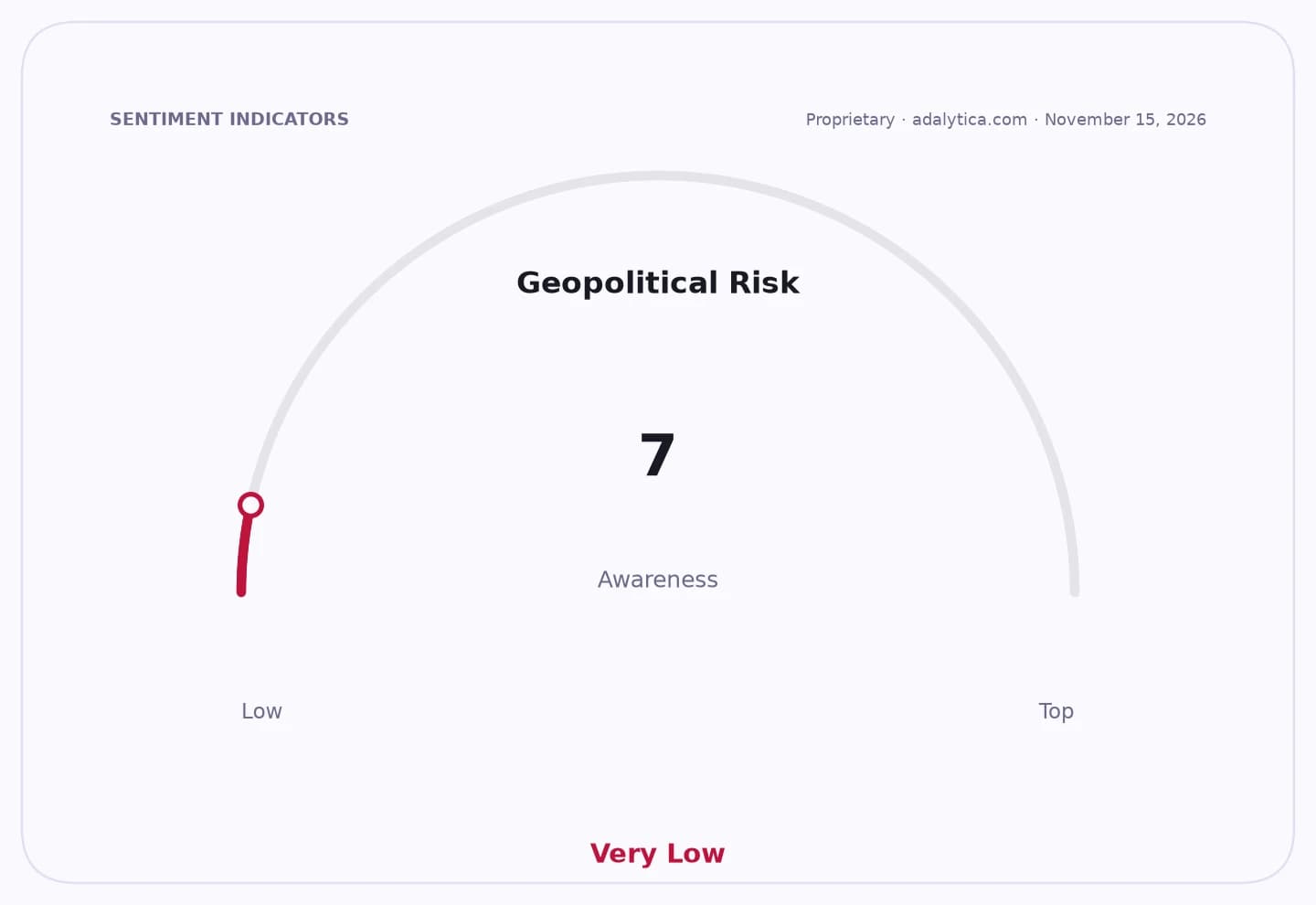
Sentiment Indicators
That matters because fuel is one of the main channels through which external shocks are passed into the domestic economy. When oil rises, governments and distributors often cite global benchmarks to justify higher pump prices. Marte argues the reverse should apply when crude falls. For transport operators, that asymmetry raises operating costs and squeezes margins. For consumers, it means the relief from lower oil prices may not be reaching the basket of everyday goods.
The timing is notable. The latest move in oil comes against a backdrop of softer energy sentiment globally, with WTI trading lower and broader energy equities easing after a strong run. United States oil proxy USO has slipped sharply from its recent highs, while energy-sector ETFs have also retreated from peak levels, reflecting a cooler crude backdrop. In theory, that should give fuel-importing countries more room to reduce retail prices or ease subsidies.
But the Dominican experience underscores the gap between global commodities and domestic pricing structures. Taxes, distribution costs, hedging, inventory lags and policy decisions can delay or mute the pass-through. That leaves room for political friction, especially when businesses and labor groups see petrol prices staying elevated even as benchmark crude falls. It also keeps pressure on authorities to explain whether the current pricing formula is responding to the market or protecting fiscal revenue.
For investors and economists, the episode is a reminder that oil’s effect on inflation is rarely linear. A $12 drop in WTI can help ease imported inflation, support consumer spending and reduce transport costs, but only if the decline is passed through quickly and credibly. If not, headline inflation can remain stickier than expected and confidence in the pricing regime can weaken.
The immediate question is whether Dominican fuel prices will begin to reflect the latest decline in crude or whether the government will continue to lag global moves. If oil remains under pressure, the issue could sharpen into a wider debate over pricing policy, transport costs and inflation management.
| Entity | Gains | Losses |
|---|---|---|
| Dominican consumers | ▲Lower fuel inflation potential | ▼Delayed price relief |
| Transport workers | ▲Lower operating costs if passed through | ▼Higher fares pressure and margins |
| Dominican government | ▲Fiscal flexibility if prices stay firm | ▼Credibility on pricing formula |
| Oil importers | ▲Cheaper crude input costs | ▼Margin compression if pass-through is forced |