Czech lawmakers are moving to sharply raise the fee for groundwater, a policy shift that would lift costs for households, municipalities and industrial users at a time when drought is already tightening pressure on the country’s water system.
Czech Republic to Raise Groundwater Fee
The coalition’s proposal would increase the groundwater charge from 2 crowns per cubic meter to 7 crowns starting next April, a move that would more than triple the levy and generate far more money for the state. For families connected to public water systems, the change could mean an annual increase of only a few hundred crowns, but for towns, utilities and industrial users that pump large volumes, the bill would be far more material.
Sentiment Indicators
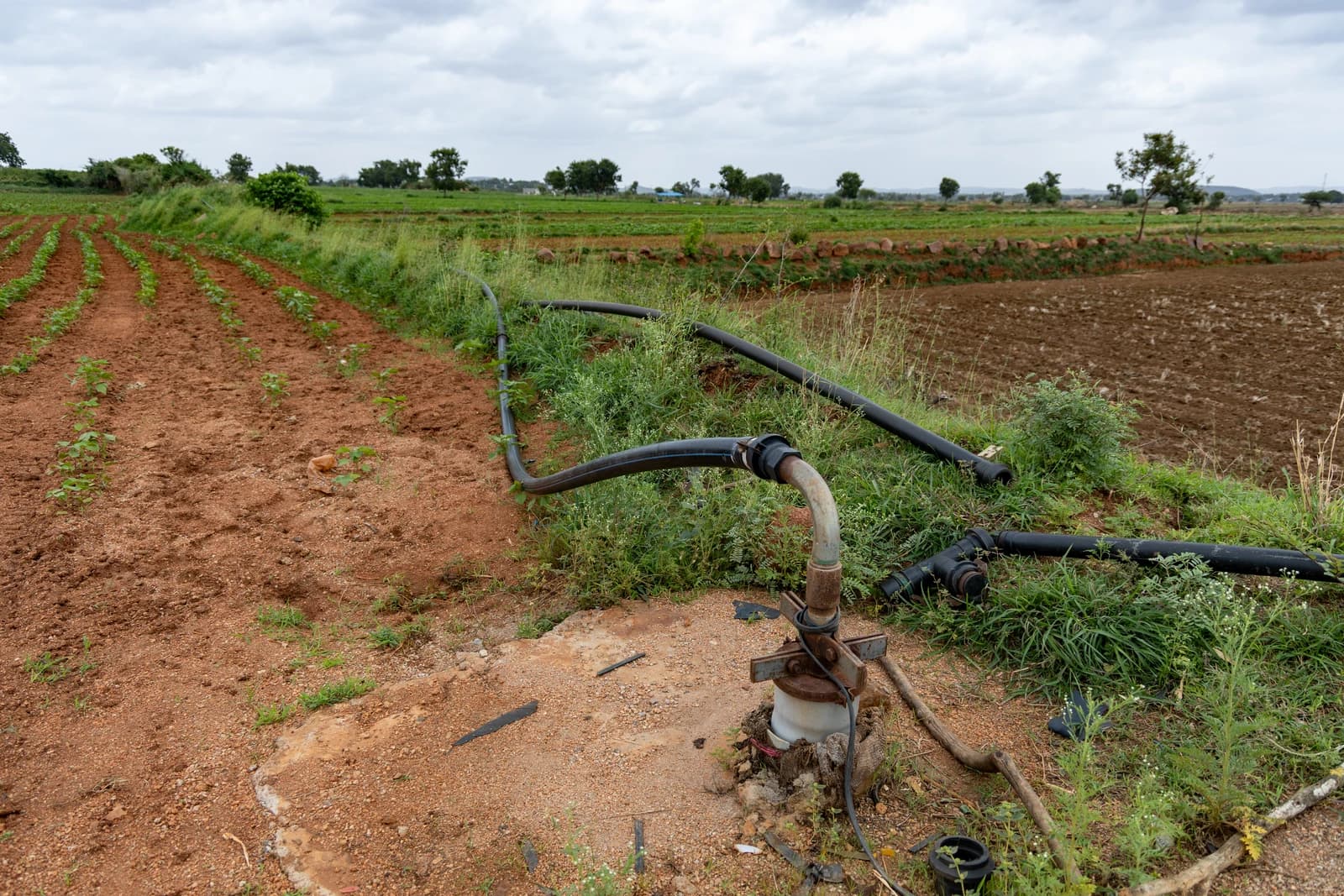
That matters because groundwater is one of the Czech Republic’s most important long-term resources, yet it replenishes slowly and is being strained by longer dry spells tied to climate change. Officials say water levels in many rivers and aquifers are below normal, while communities such as Tučapy have already had to rely on tanker deliveries after local sources nearly ran dry. In that setting, the debate is no longer just about a price adjustment. It is about whether the country finally starts to treat underground water as a scarce asset rather than a cheap input.
The economic logic behind the proposal is straightforward: make groundwater more expensive so that consumption is used more carefully, while funneling the proceeds back into water infrastructure. That is the part investors, municipalities and utility operators are watching most closely. The coalition says six crowns out of every seven would go directly to the agriculture ministry, while one crown would still go to the State Environmental Fund. Critics argue the money must be ring-fenced for pipes, reservoirs and treatment systems if the higher fee is to do any real good. Without that reinvestment, higher charges would simply become another tax.
For households, the immediate impact looks manageable, especially because the proposal excludes private wells and very small municipalities. But the politics are not that simple. Opposition lawmakers say the measure was attached late to a separate plant-protection bill and has not been backed by a proper impact study. They also object to a shift in revenue sharing that would divert funds away from regions, where money is currently used for drinking-water upgrades and wastewater treatment in smaller towns.
The stakes are higher for industrial water users, including breweries and other manufacturers that draw heavily from their own boreholes. Budějovický Budvar says the change would raise its annual costs by millions of crowns, though it does not expect to pass the increase through immediately into beer prices. Instead, like many businesses facing higher utility bills, it will likely try to save water and trim production costs elsewhere.
For investors, this is a classic regulated-utility and infrastructure story: scarcity tends to support investment in water networks, treatment, metering and conservation technologies, even if it also creates near-term cost pressure for consumers and water-dependent companies. If the government follows through and keeps the proceeds earmarked for the sector, the policy could strengthen the case for long-duration spending on water infrastructure in the Czech Republic. If it does not, the fee hike may prove politically easier to announce than economically useful.
Either way, the message is clear: water is getting more expensive, and in a dry country that is becoming a structural theme, not a passing headline. Long-term investors should watch which municipalities, utilities and suppliers can turn that scarcity into durable pricing power and better infrastructure spending.
| Entity | Gains | Losses |
|---|---|---|
| Czech state budget | ▲Higher fee revenue | ▼Political blowback |
| Water utilities/infrastructure | ▲More funding potential | ▼Higher input costs if not reinvested |
| Households | ▲Better long-term water security | ▼Higher bills |
| Industrial water users | ▲Push toward efficiency upgrades | ▼Higher operating costs |