The U.S. Senate has passed a bipartisan permitting bill that could make it easier and faster to build energy infrastructure, a change with potential to unlock delayed investment in power lines, pipelines, renewables and fossil fuel projects as electricity demand rises.
U.S. Senate Passes Energy Permitting Bill
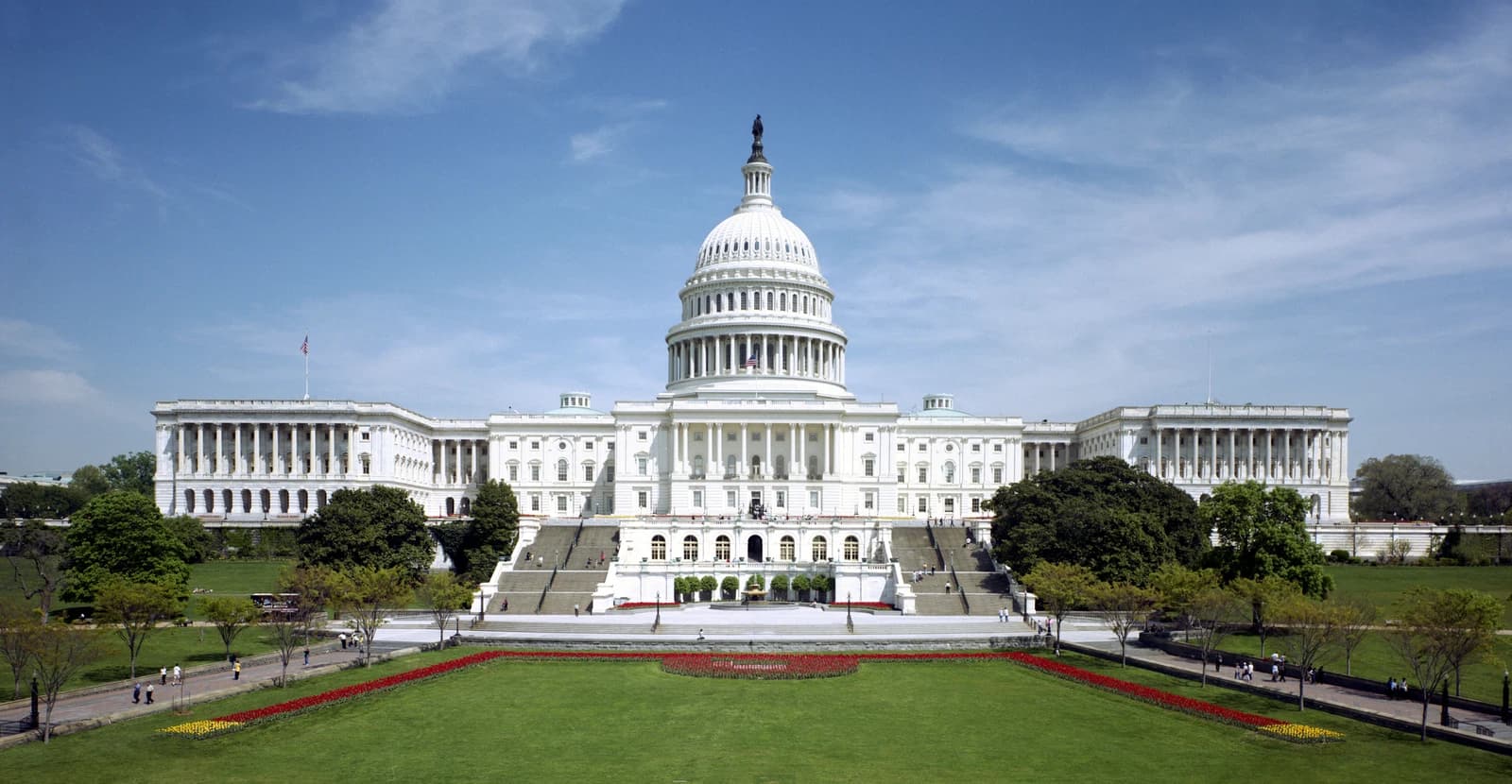
The 62-33 vote sent the measure to the House and marked the first major congressional action on permitting reform in years, reviving a long-stalled policy fight that has become more urgent as the U.S. tries to expand generation and grid capacity while keeping energy costs in check. Supporters argue the bill would trim years off approvals and lower the cost of building at a time when developers face heavier financing burdens and a tighter regulatory clock.
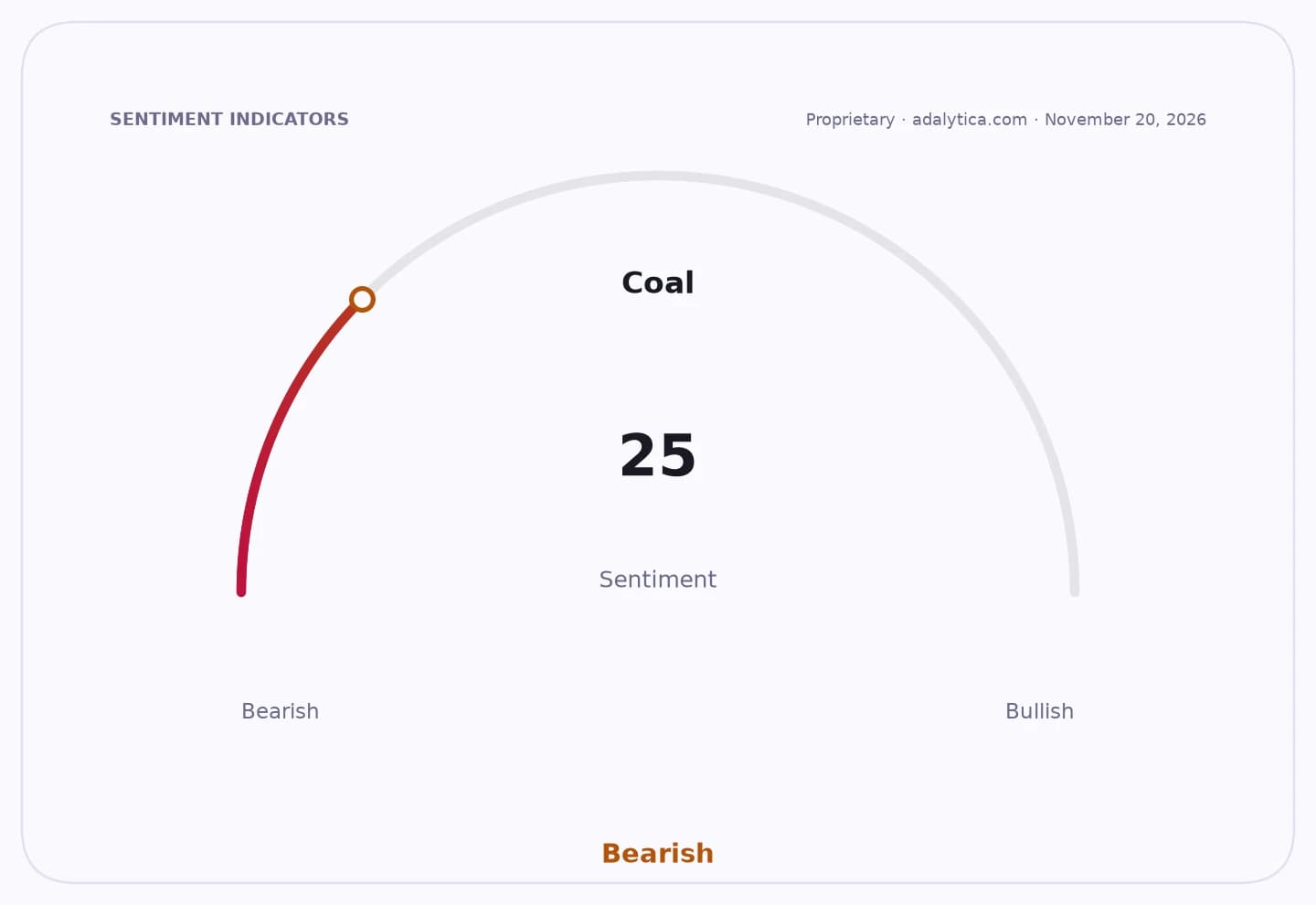
Sentiment Indicators

That matters because permitting has become one of the biggest non-market bottlenecks in U.S. energy investment. Projects can be delayed for years by federal reviews and litigation, tying up capital and slowing the addition of new supply. In an economy where electricity demand is being lifted by data centers, industrial reshoring and wider electrification, faster approvals could ease grid constraints and improve the odds that new generation comes online in time to meet demand.
The political significance is as important as the policy one. The bill, backed by most Republicans and 15 Senate Democrats, shows there is still room for bipartisan agreement on infrastructure when affordability is at stake. But the vote also exposed the fault lines that could slow or weaken the measure in the House, where some Republicans want changes and many Democrats argue it could weaken environmental protections and favor fossil fuel projects over renewables.
Investors have already been rewarded for the prospect of easier infrastructure buildout. Energy shares have rallied sharply in recent months, with the XLE energy ETF still elevated despite a sharp pullback this week and the oil-and-gas exploration ETF XOP having surged to multi-year highs before losing momentum. The sector’s technical backdrop shows how quickly sentiment can change: XLE’s price has fallen back below both its 50-day and 200-day moving averages, while XOP has also dropped well under its 50-day average after a steep run-up, suggesting traders are now waiting for concrete policy progress rather than headlines alone.
The broader market context also reinforces why permitting reform is getting attention. Treasury yields remain around 5%, keeping capital costs high, while U.S. industrial production and GDP continue to expand, indicating the economy still has room to absorb more investment. For utilities, pipeline operators, independent power producers and grid-equipment suppliers, a faster approvals regime could support a larger pipeline of projects and improve visibility on future capital spending.
The winners would likely include utilities, grid builders, pipeline operators and large developers with ready-to-build projects. The losers, if the bill advances in its current form, would be environmental groups and opponents of expanded fossil fuel infrastructure, who fear faster reviews could tilt the balance toward gas, oil and transmission projects over cleaner alternatives.
The bill’s fate now depends on the House, where timing is uncertain and changes are likely. If lawmakers can preserve the core permitting overhaul, the measure could become one of the most consequential energy-policy shifts in years by reducing a structural drag on U.S. supply growth, capacity expansion and long-term investment returns.
| Entity | Gains | Losses |
|---|---|---|
| Energy developers | ▲Faster approvals | ▼Longer project delays |
| Utilities and grid builders | ▲More transmission buildout | ▼Permitting bottlenecks |
| Fossil fuel producers | ▲Easier pipeline development | ▼Stricter review hurdles |
| Environmental groups | ▲Little direct gain | ▼Weaker protections concern |