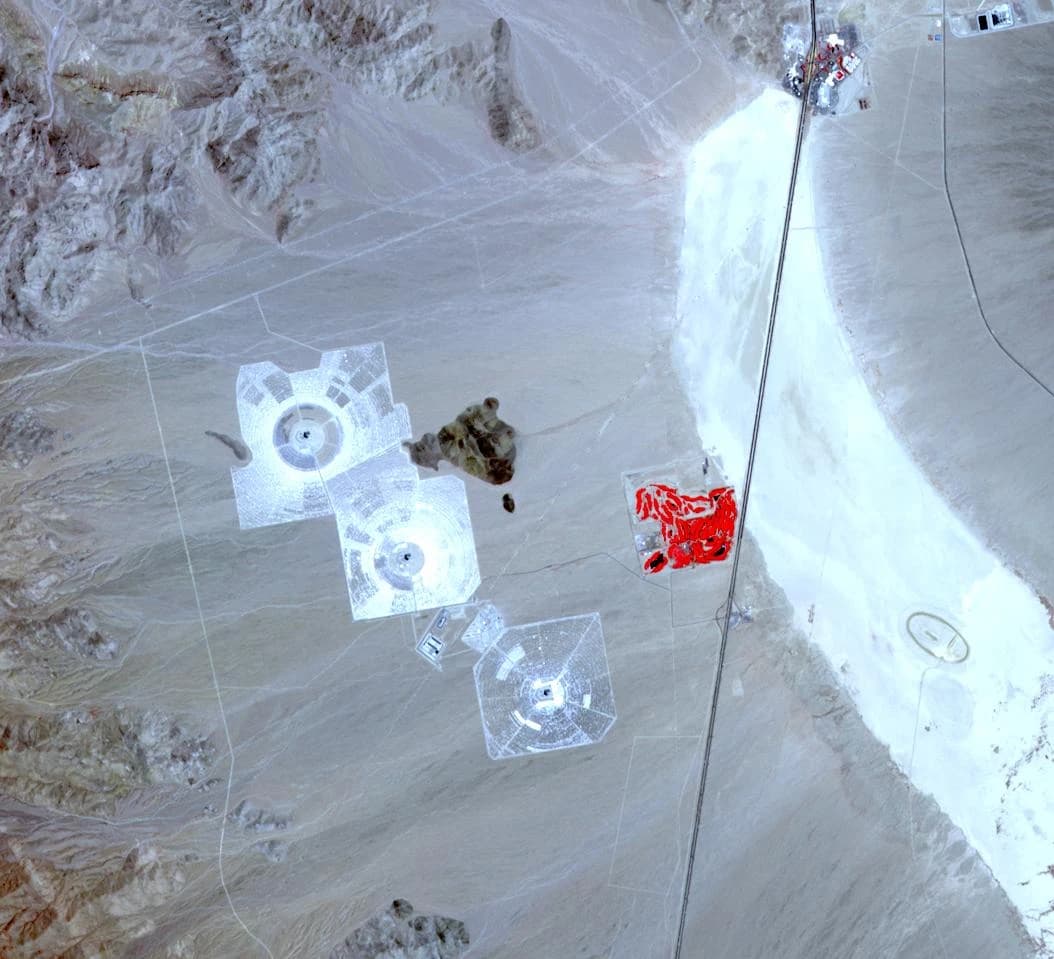
AI-driven data centers are now emerging as a public-health risk as well as an energy story, with MIT researchers estimating that their power demand contributed to about 650 premature deaths in the U.S. in 2023 through added air pollution.
MIT study links AI data centers to U.S. deaths
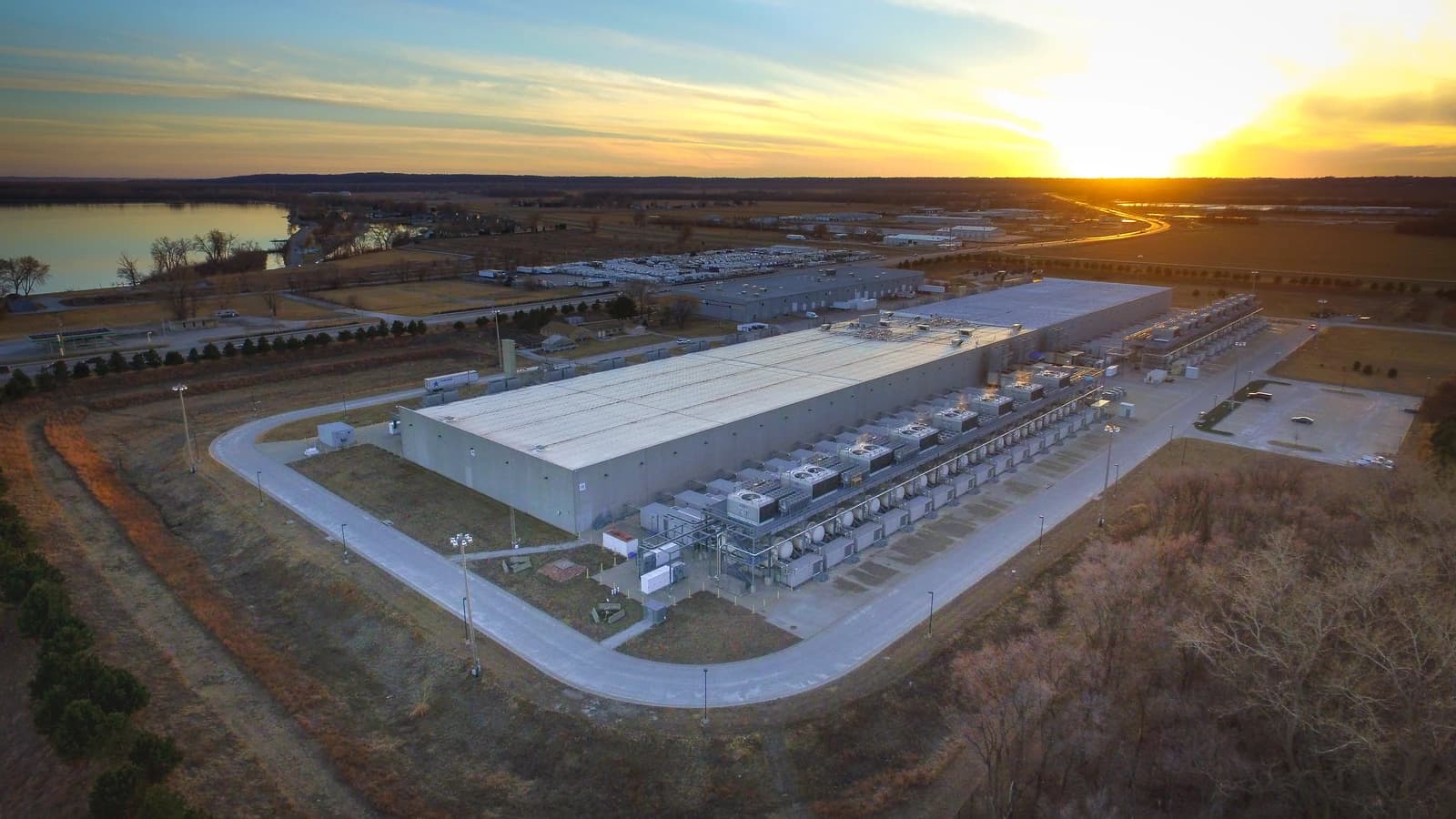
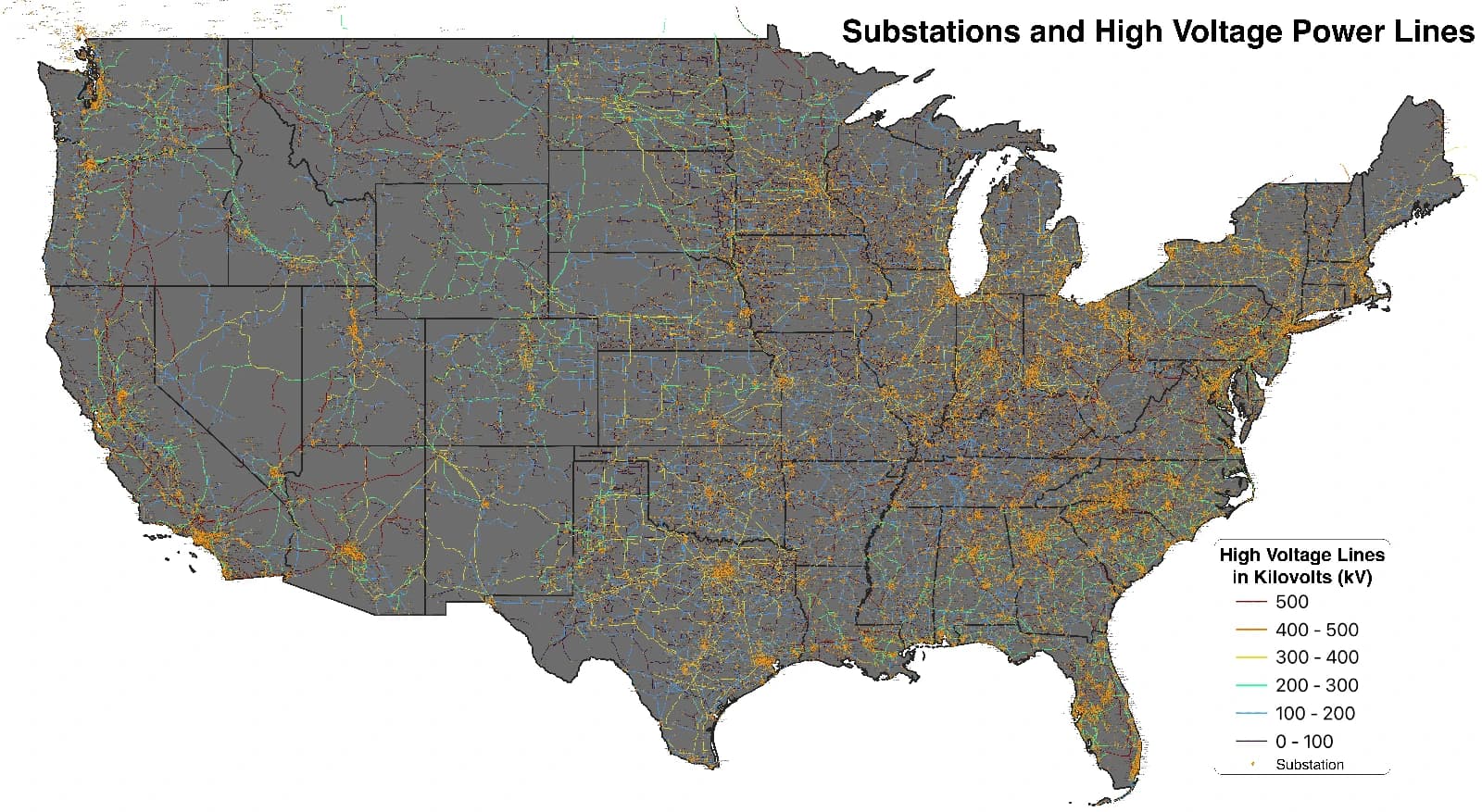
The finding matters because it puts a measurable human cost on one of the fastest-growing sources of electricity demand in the country. As hyperscale computing expands, the burden is not confined to the counties where servers sit. Power plants elsewhere in the grid are being called on to meet the load, and emissions are then carried across state lines, widening the footprint of the AI buildout well beyond data-center hubs such as Virginia and Texas.
Sentiment Indicators
Artificial Intelligence
The MIT study, published in Environmental Research Letters, said 513 of the deaths were linked to fine particulate matter, or PM2.5, and 137 to smog. Using a model that accounted for electricity generation, regional power transfers and atmospheric dispersion, the researchers found the highest premature-death risk in Iowa, Nevada, South Dakota and Kansas — a reminder that the damage is distributed through the power system rather than concentrated only beside the facilities themselves.
That has direct implications for investors. The AI trade has largely been framed around compute demand, chip sales and cloud capacity, but the next phase of growth is likely to face tighter scrutiny over power sourcing, transmission bottlenecks and emissions compliance. For operators such as Microsoft, Nvidia and Amazon, the issue is not just reputational. It raises the odds of higher capital spending on grid access, cleaner generation and efficiency upgrades, as well as more political pressure from communities absorbing the pollution load.
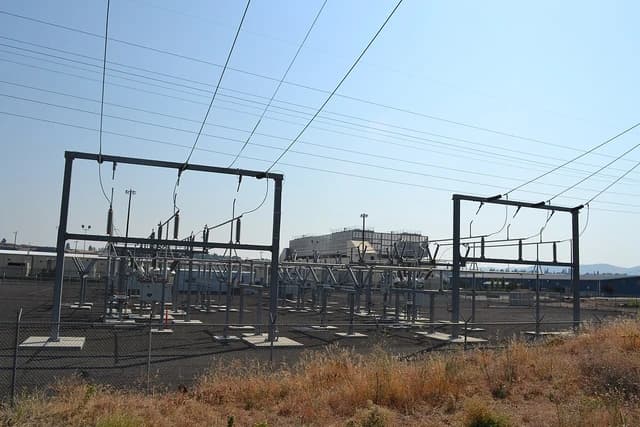
The backdrop is already shifting. A separate Harvard analysis of the 400 largest U.S. data centers found they emit more greenhouse gases annually than Denmark, reinforcing the view that the sector’s environmental footprint is scaling faster than mitigation efforts. That helps explain why clean-energy procurement, carbon disclosure and local permitting are becoming more material to the economics of AI infrastructure.
For investors, the bull case remains that data-center demand is still a long-duration growth engine. The bear case is that the same buildout can face higher input costs, slower approvals and more regulatory friction as the health and climate costs become harder to ignore. The likely outcome is not a reversal of the AI capex cycle, but a more expensive one.
| Entity | Gains | Losses |
|---|---|---|
| AI infrastructure builders | ▲More demand for compute | ▼Higher scrutiny and costs |
| Utilities and power generators | ▲Rising electricity sales | ▼Pollution backlash |
| Tech giants | ▲Faster AI capacity expansion | ▼Margin pressure from mitigation |
| Local communities | ▲More attention to air quality | ▼Health burden and emissions exposure |