The climate summit in Antalya is converging on a potentially significant shift in energy policy: a global push to raise electricity’s share of end-use energy to 35% from 23%, a move that would accelerate demand for power grids, renewables and electrification technologies if it survives the last round of bargaining.
Antalya climate summit weighs 35% electricity target
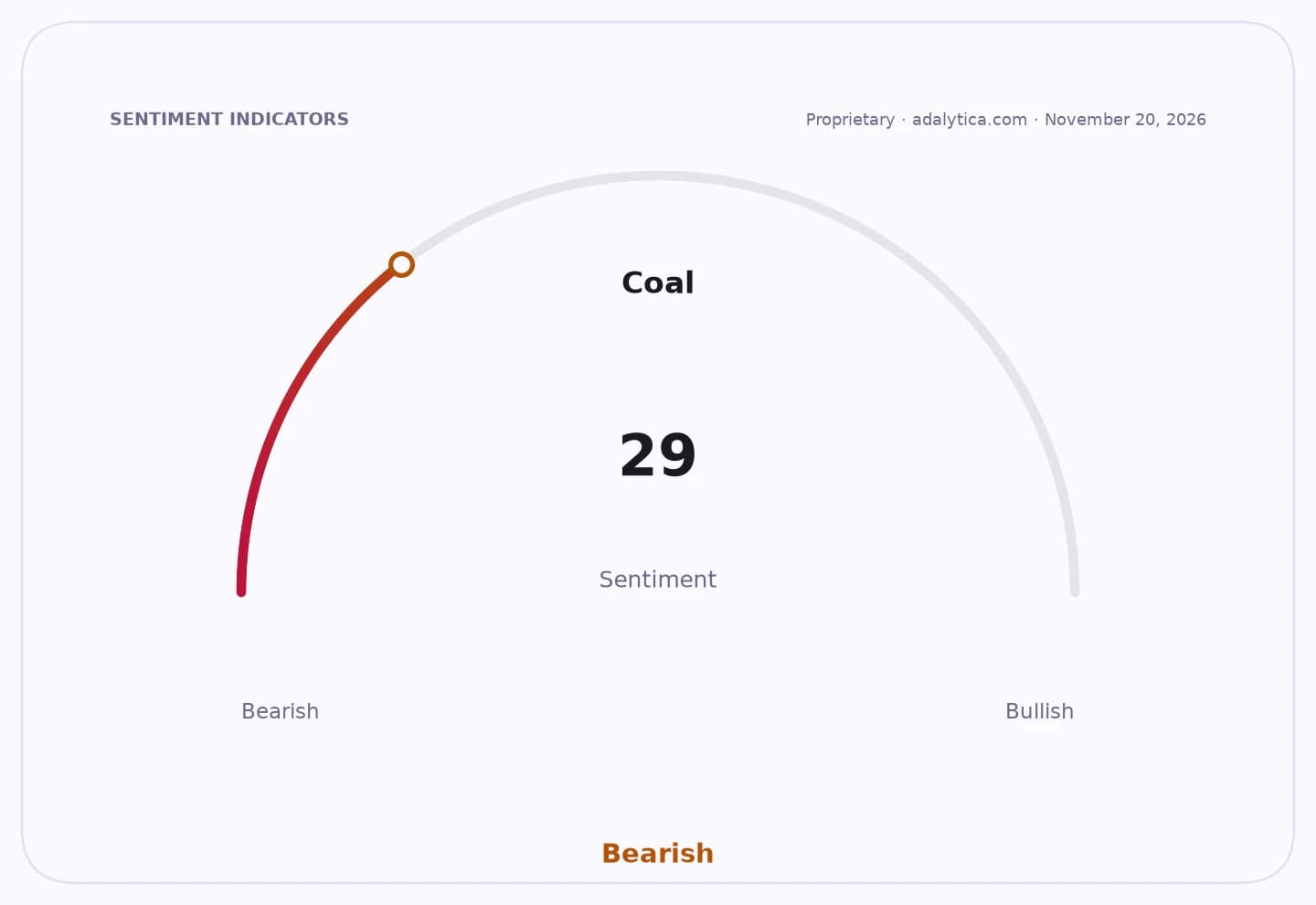
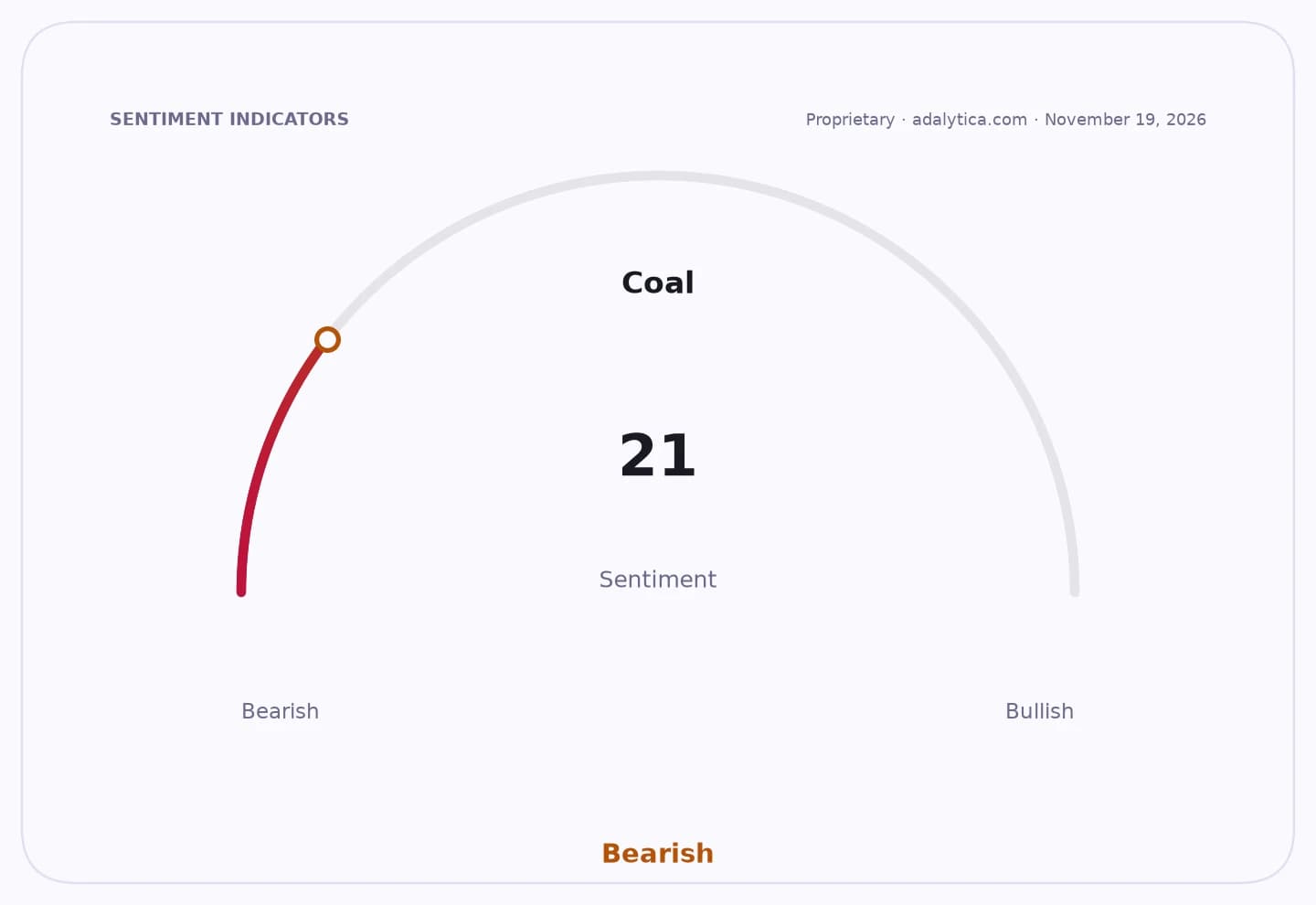
Coal
That matters because electrification is emerging as one of the few climate measures with direct economic payoff. More electric cars, heat pumps, industrial systems and data centers running on cleaner power can improve efficiency, cut fuel imports and redirect capital spending from oil, gas and coal toward generation, transmission and storage. But the same proposal is exposing the central fault line in climate diplomacy: rich countries want stronger language linking the shift to clean power, while fossil-fuel exporters and other bloc countries are resisting anything that looks like a formal phaseout of hydrocarbons.
Sentiment Indicators
The Turkish presidency has floated the 35% target as a practical way to advance emissions cuts without forcing every country into the same timetable. For industrial economies, the case is straightforward: electricity can do more work per unit of primary energy than combustion-based systems, and the transition tends to benefit utilities, grid operators, equipment makers and renewable developers. For developing countries, the hurdle is financing. They are seeking outside support to build grids, renewables and storage, arguing that electrification without capital could simply shift the burden rather than lower it.
That financing dispute is likely to shape the final text as much as the target itself. Germany and the European Union want the agreement to keep a clear link between rising electrification and clean energy sources. A draft circulated Thursday omitted that connection, underscoring how much leverage fossil-producing states still retain in consensus-based UN climate talks. Saudi Arabia and Russia, both heavily dependent on hydrocarbon revenues, have opposed language that would tighten the political case against oil, gas and coal. The United States is absent from the talks after leaving the Paris accord, removing one major negotiator but not the structural problem of unanimity.
The most consequential omission may be what the final communiqué does not say. The draft only indirectly references the Dubai pledge to move away from fossil fuels, rather than restating it outright. That would be a win for producers and a setback for countries and investors that have been positioning around a faster long-term decline in fossil demand. It would also reinforce a broader shift in climate diplomacy: when formal consensus becomes harder, coalitions of willing countries are moving ahead on their own through voluntary alliances and sector-specific pledges.
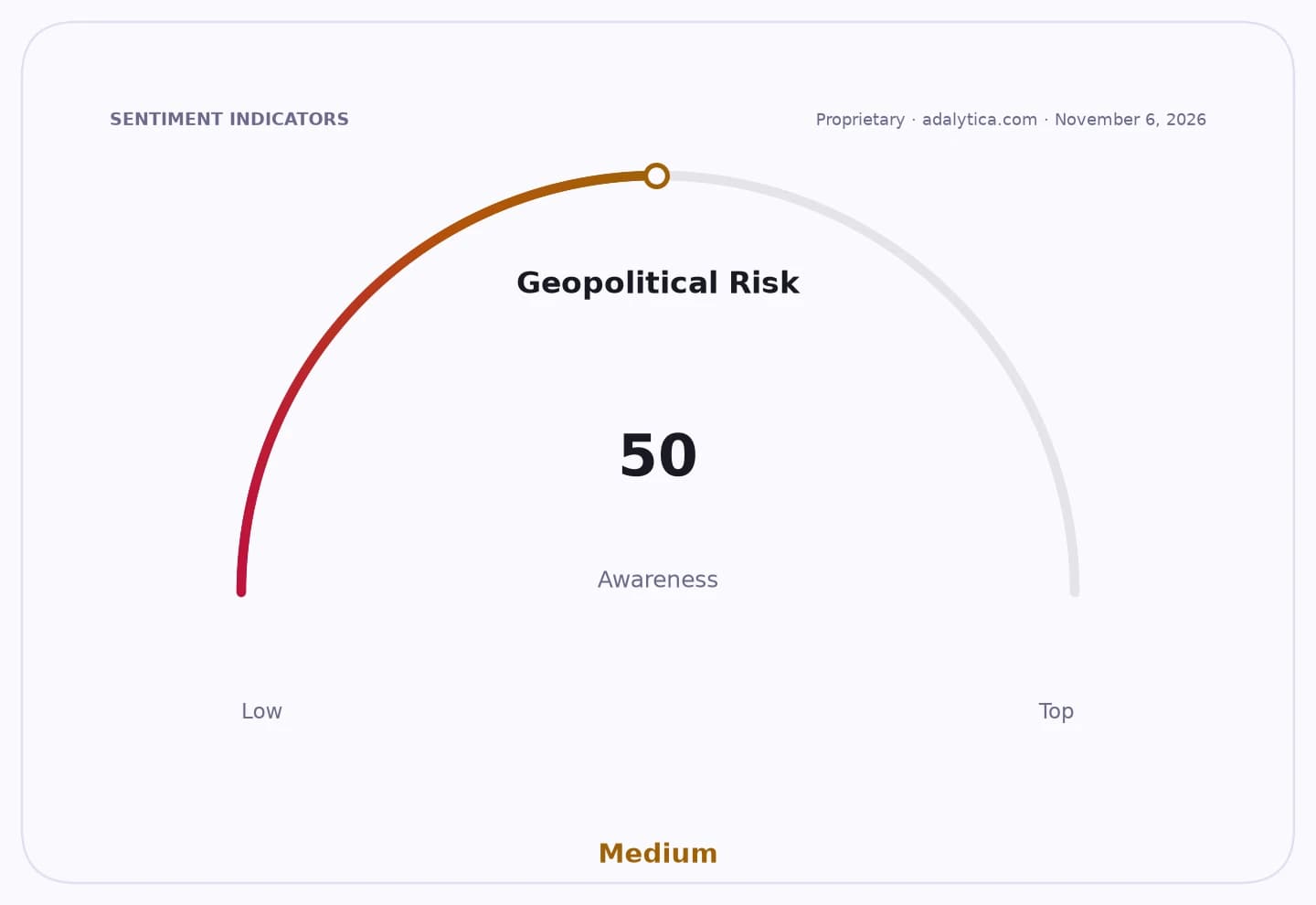
For markets, the signal is not immediate policy risk so much as capital-allocation drift. If electrification becomes the organizing theme of future climate policy, the winners are likely to be renewable power developers, grid and transmission suppliers, battery and power-electronics firms, and utilities with regulated infrastructure exposure. The losers are carbon-intensive fuel producers and companies tied to legacy combustion demand. That split is visible in market behavior: the clean-energy ETF ICLN has fallen to $14.49 from above $23 in early June, while the energy sector ETF XLE has also eased from recent highs, even as oil-sensitive names remain volatile. Adalytica’s oil trade signals show extreme greed in USO, while its global stability gauge sits in extreme fear, a reminder that geopolitical and policy uncertainty continue to distort commodity pricing.
Still, the economics are not one-sided. A faster electrification push could lift power demand and strain grids before supply catches up, raising the need for capital expenditure and, in some markets, higher tariffs. It could also intensify competition for minerals, transformers, turbines and permitting. For investors, that means the summit’s final language will matter less as a symbolic climate statement than as a guide to where the next wave of infrastructure spending is likely to go.
If Antalya produces a durable electrification pledge, it would mark a modest but meaningful shift from abstract emissions targets toward the physical systems needed to deliver them. If it fails, the message to markets is equally clear: climate policy is still moving, but increasingly through fragmented alliances rather than universal agreement.
| Entity | Gains | Losses |
|---|---|---|
| Utilities and grid operators | ▲Higher capex cycle | ▼Faster regulatory scrutiny |
| Clean-energy developers | ▲Policy support for electrification | ▼Unclear clean-power wording |
| Fossil-fuel exporters | ▲Softer draft language | ▼Less control over narrative |
| Oil and gas producers | ▲Delay in formal phaseout | ▼Long-term demand erosion |