Belgium and a widening group of countries are pressing COP31 negotiators to restore explicit language on phasing out fossil fuels, after the latest draft climate text dropped the reference entirely and instead centered on electrification. That shift matters because it would weaken the policy signal to oil, gas and coal markets at the very moment investors are trying to gauge how aggressively governments will tighten long-term demand for hydrocarbons.
Belgium Pushes COP31 Fossil-Fuel Phaseout Language
Coal
The draft now on the table favors a target to lift electricity’s share of final energy use to 35% by 2035, a goal championed by the Turkish COP31 presidency, but it no longer asks that the added power come from clean sources. For fossil-fuel producers, that distinction is critical: electrification can cut emissions only if it is paired with renewable generation, grid investment and a faster retreat from coal, oil and gas. Without that linkage, the text risks becoming a broad efficiency pledge rather than a hard demand-shift away from hydrocarbons.
Sentiment Indicators
Belgian climate minister Jean-Luc Crucke, speaking alongside counterparts from the Netherlands, Germany, France, Switzerland, Panama, Guatemala and several Pacific island states, said there was “no other direction” than a gradual exit from fossil fuels. Marshall Islands environment minister Jess Gasper Jr. called abandoning fossil fuels a matter of survival, underscoring the political split between vulnerable states seeking a stronger treaty and countries wary of binding supply-side language.
The dispute is emerging as a test of how far COP31 can move beyond aspiration into implementation. The Dutch climate minister said about 25 countries have already drafted or announced national transition plans away from fossil fuels, up from just one when talks in Santa Marta began six months ago. France has already set out dates to leave coal by 2030, oil by 2045 and gas by 2050, giving the supporters of a phaseout language a concrete benchmark against which to measure the final accord.
For investors, the difference between an explicit fossil-fuel exit and a generic electrification goal is material. A stronger COP31 outcome would reinforce the medium- to long-term case for renewables, grids, nuclear and electrification hardware, while adding pressure on upstream oil and gas valuations that already trade on expectations of prolonged demand. A weaker text would be read as a relief for the hydrocarbon complex, especially for producers betting that climate policy will remain uneven and largely national rather than globally coordinated.
That tension is visible in energy-market positioning. Chevron and Exxon have both told regulators that climate rules, carbon capture spending and broader policy stringency remain central to capital allocation and long-range planning, even as their businesses continue to depend on oil and gas cash flow. Technical positioning in energy funds has also been volatile: XLE has slid to $60.51 from a late-October peak above $70, while momentum gauges have turned sharply weaker, with the 50-day moving average above the current price and RSI readings in deeply oversold territory. In contrast, USO remains elevated at $139.63, even after a recent pullback from the $160 area, showing crude still prices in a tight supply outlook despite policy risk.
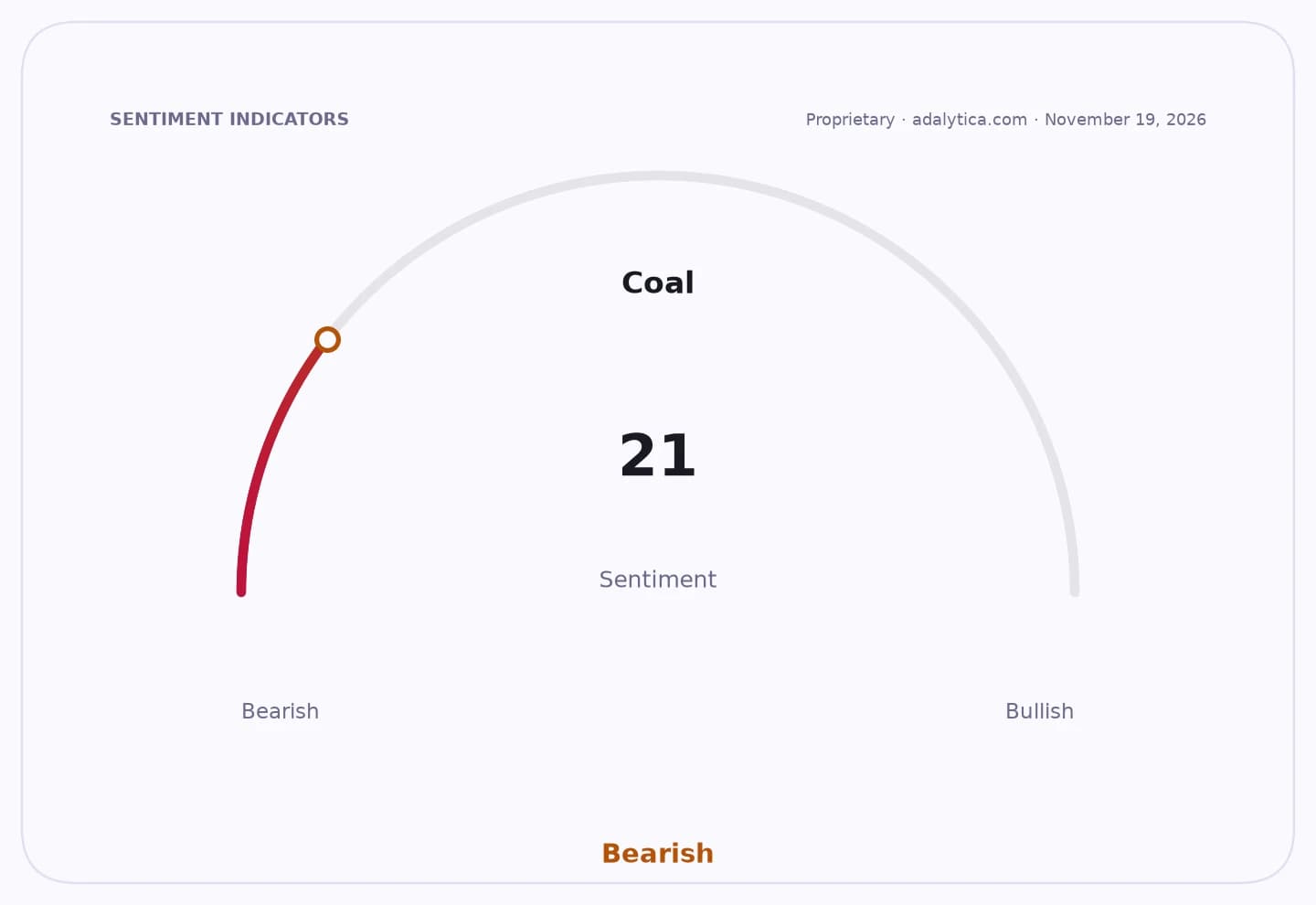
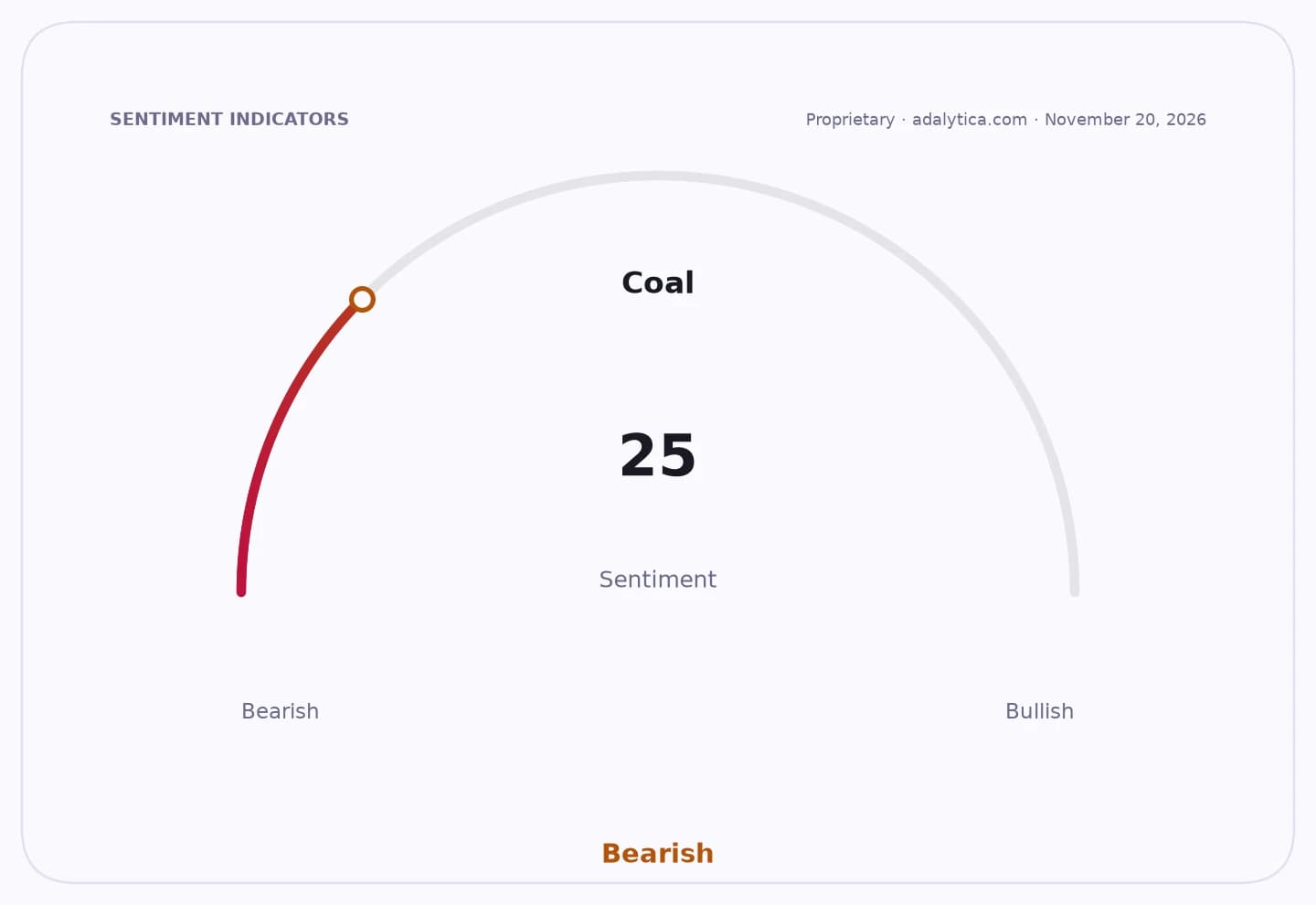
Coal is the clearest laggard in the transition narrative. Adalytica’s Coal Fear & Greed Index shows fear at 29, even as awareness remains elevated, suggesting the market is still sensitive to policy headlines but sees a structurally constrained outlook for the sector. That asymmetry helps explain why phaseout language in a final COP31 deal would be more than symbolism: it would reinforce a policy backdrop already leaning against coal and gradually toward lower-carbon power systems.
The immediate focus now is whether Belgium and its allies can force the draft back toward explicit phaseout language without blowing up the broader accord. If they fail, COP31 may still produce a political statement on electrification, but investors are likely to treat it as a softer climate outcome than the phaseout camp wants — and a clearer win for fossil-fuel incumbents that expect the transition to remain slower, messier and more country-specific than activists have argued.
| Entity | Gains | Losses |
|---|---|---|
| Belgium and phaseout allies | ▲Stronger climate mandate | ▼Weaker draft text |
| Oil, gas and coal producers | ▲Softer policy signal | ▼Explicit exit language |
| Renewables, grids and electrification plays | ▲Faster demand shift | ▼Delayed transition urgency |
| Vulnerable island states | ▲Stronger survival-focused stance | ▼Status quo fossil dependence |