Europe’s gas market is entering winter with a thinner cushion, and the Czech Republic is caught in the middle of the region’s scramble for supply, storage and price stability.
Europe Gas Supply Tightens Before Winter

That matters because a tighter gas balance can quickly ripple through power bills, industrial margins and inflation just as European policymakers are trying to keep a lid on energy costs. With Brent-linked oil also volatile and U.S. benchmark WTI around $89.53 a barrel, the broader energy complex is still sending mixed signals rather than relief.
Sentiment Indicators

The warning signs are most visible in gas-linked assets. U.S. natural-gas futures on the NG ticker slid to $4.67 on Nov. 20 after touching $14.20 earlier in the year, showing how quickly sentiment can swing as storage and weather expectations change. The 50-day moving average for NG has fallen to $6.40, below the 200-day average of $7.93, while RSI readings at 32.9 point to a market under pressure.
Adalytica’s Natural Gas Market Trade Signals snapshot still shows only neutral sentiment at 46, but awareness sits at “Extreme Fear,” underscoring how fragile trader confidence remains. Oil, by contrast, is priced for risk: Adalytica’s WTI sentiment reads 91, or “Extreme Greed,” even as awareness remains in “Extreme Fear,” a sign that investors see geopolitical and supply shocks as persistent.
Natural Gas
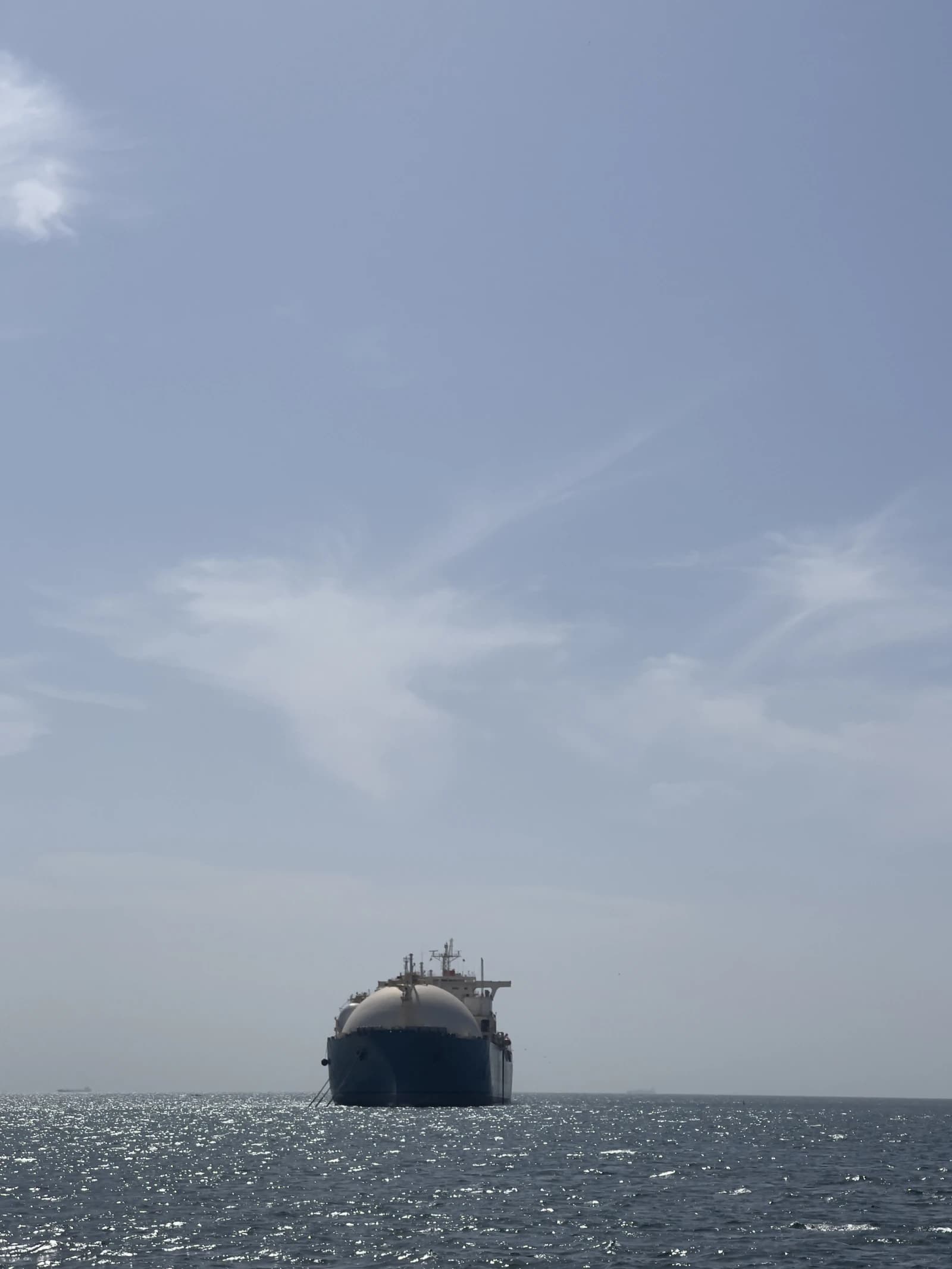
For Europe, the issue is not just headline prices but security of supply. The continent has spent the past two years rebuilding gas inventories and rerouting imports after the loss of cheap Russian pipeline flows, but any cold snap, infrastructure disruption or competition from Asia can tighten the market fast. That is especially relevant for Central Europe, where landlocked buyers such as the Czech Republic rely heavily on storage, cross-border flows and regional hubs rather than direct access to seaborne LNG.
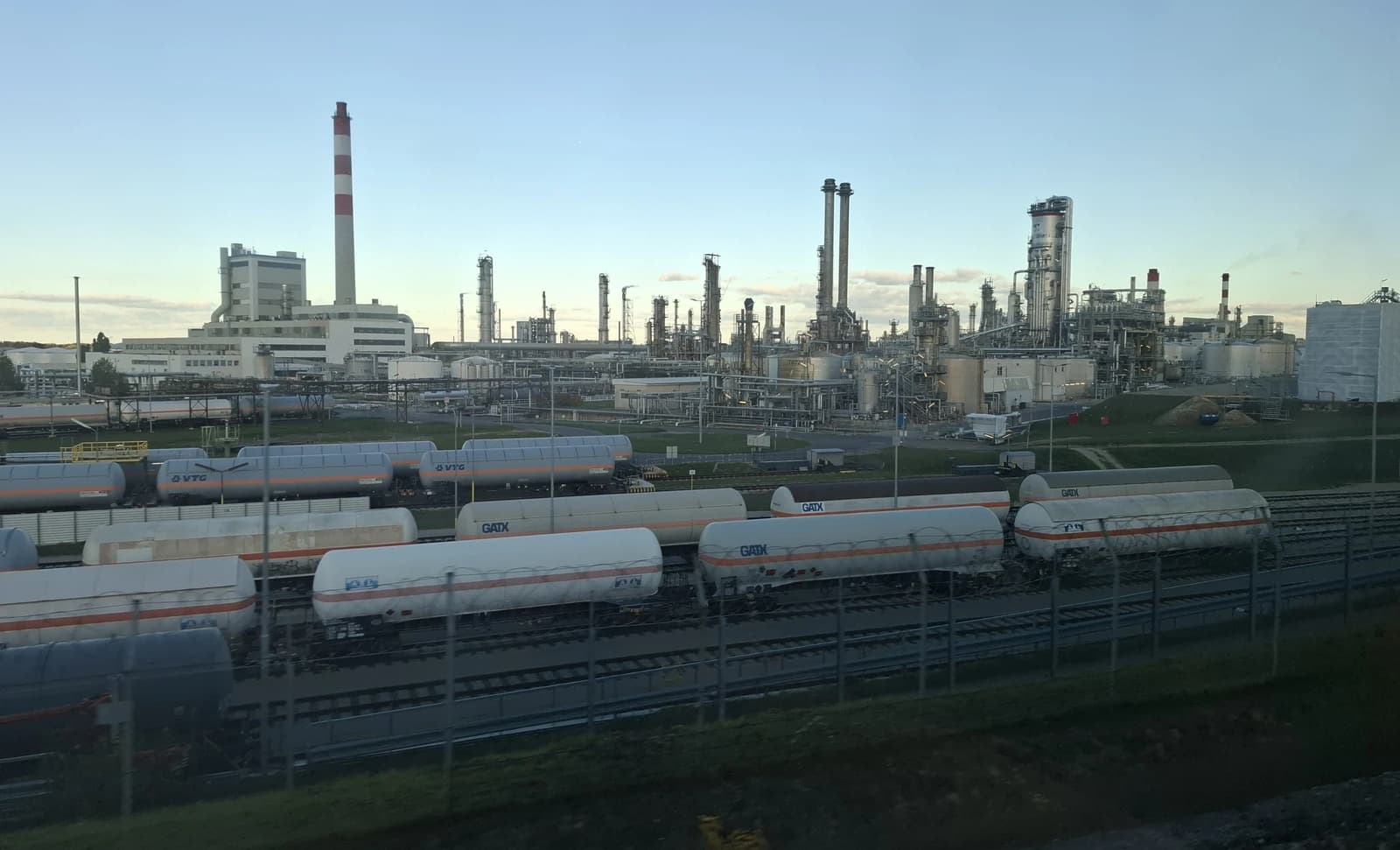
A sustained gas squeeze would hit Czech industry first. Chemicals, glass, metal processing and district heating are among the sectors most exposed to higher gas costs, and those costs can feed into consumer inflation and policy decisions at the Czech National Bank and the European Central Bank. If prices spike, governments may also face pressure to extend subsidies or intervene to shield households and manufacturers.
Energy equities have already reflected the uneven backdrop. The XLE energy ETF has fallen to $60.51 from $70.02 in late October, even as the sector’s longer-term move remains tied to crude strength and supply discipline. Investors are signaling that while oil producers may benefit from tighter crude markets, gas consumers and industrial users remain vulnerable to margin compression.
The next catalyst is weather. A colder-than-expected winter would quickly tighten Europe’s gas balance, lift spot prices and revive concerns about rationing or industrial curbs in the most exposed markets. For the Czech Republic, the key question is whether storage, import contracts and regional coordination are enough to ride out the season without another energy shock.
| Entity | Gains | Losses |
|---|---|---|
| European gas producers | ▲Higher spot prices | ▼Demand destruction risk |
| Czech industry | ▲Supply diversification efforts | ▼Higher energy costs |
| LNG exporters | ▲Stronger winter demand | ▼Shipping and capacity bottlenecks |
| Household consumers | ▲Near-term subsidy support | ▼Heating bill pressure |