Romania says it has set aside more than 276 million cubic meters of natural gas for the winter, a buffer that matters because Europe is still trying to rebuild energy security after years of supply shocks and volatile pricing.
Romania adds 276 million cubic meters of gas storage
The reserve level announced by energy regulator ANRE is designed to reduce the risk of shortages during the cold months, when heating demand rises and the market is most vulnerable to pipeline disruptions, colder-than-normal weather and swings in imported supply. In a region that has spent the past two years repricing energy risk, even incremental storage gains can help dampen price spikes and reassure households, utilities and industrial buyers.
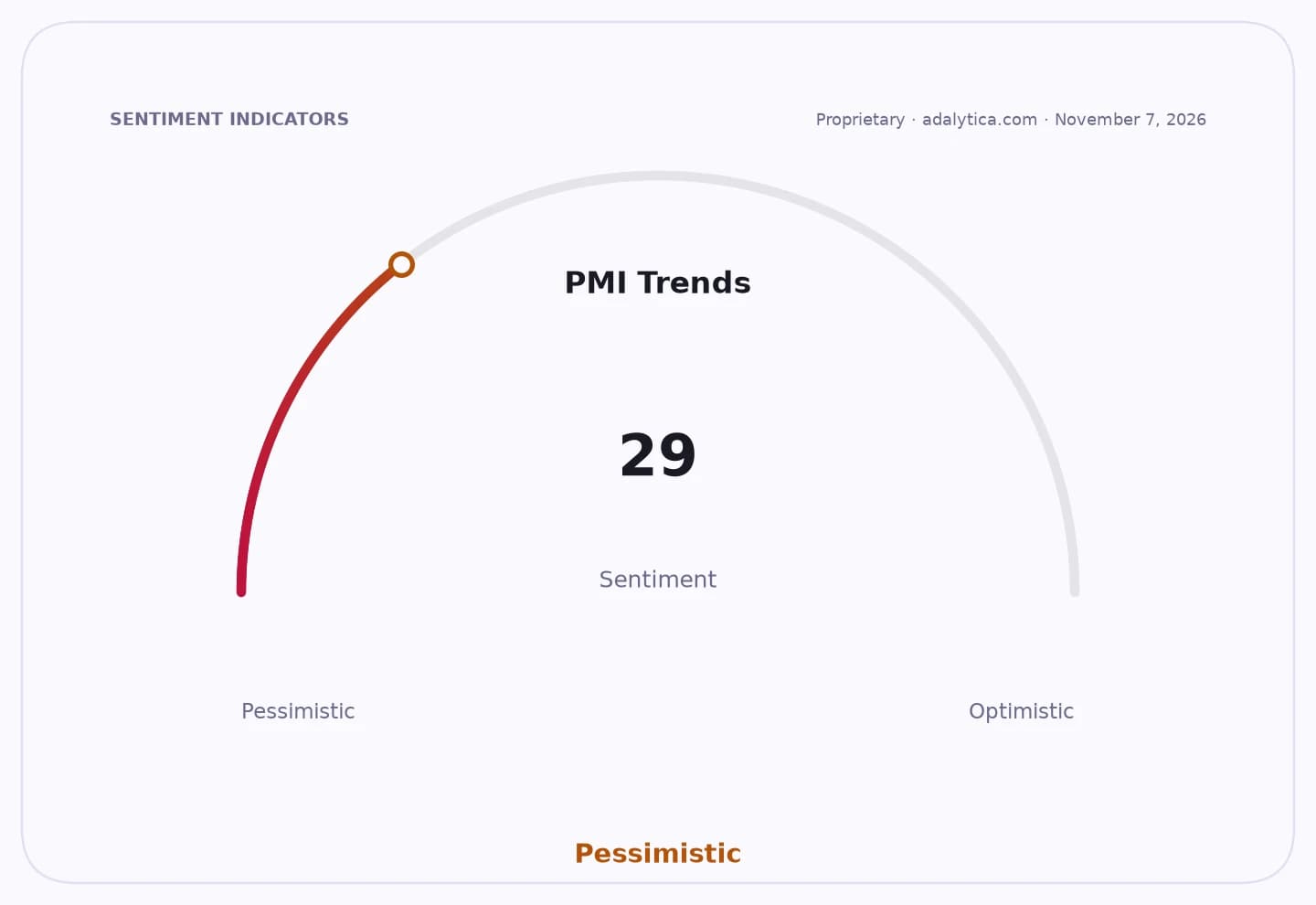
Sentiment Indicators
For Romania, the reserve build is economically important because gas remains a key input for power generation, district heating and heavy industry. Adequate stocks help limit the chance of forced demand cuts or emergency imports at peak prices, which would otherwise feed directly into inflation and pressure government support budgets. It also improves the country’s bargaining position if regional supply tightens.
The broader backdrop remains uneasy. Europe’s gas storage is still operating in a more cautious regime than before the crisis triggered by Russia’s invasion of Ukraine, and governments across the continent have treated winter storage as a strategic asset rather than a routine seasonal task. Germany has moved to create government-backed reserves, while other countries are racing to secure supply and expand infrastructure. That reflects a continent-wide shift: gas is no longer priced only on current demand, but on the premium investors assign to reliability.
For investors, the immediate implications are mixed. Adequate Romanian reserves are a mild negative for regional spot prices if they reduce near-term import demand, but they are supportive for utilities, storage operators and pipeline capacity holders that benefit from system stress and reserve-building activity. The bigger signal is that the market is still living with geopolitical risk embedded in energy pricing, which should keep volatility elevated for gas-linked equities, LNG exporters and power companies with exposed fuel costs.
The question now is not whether governments want more gas in storage, but whether they can keep filling tanks without paying a winter premium. If supply remains tight and weather turns colder, the value of every cubic meter already reserved will rise quickly.
| Entity | Gains | Losses |
|---|---|---|
| Romania / ANRE | ▲Winter supply buffer | ▼Less downside from shortages |
| Households / industry | ▲Lower outage risk | ▼Less exposure to price spikes |
| Gas traders / suppliers | ▲Winter demand support | ▼Weaker scarcity premium if storage is ample |
| Regional spot buyers | ▲Better security of supply | ▼Potentially higher costs if winter tightens unexpectedly |