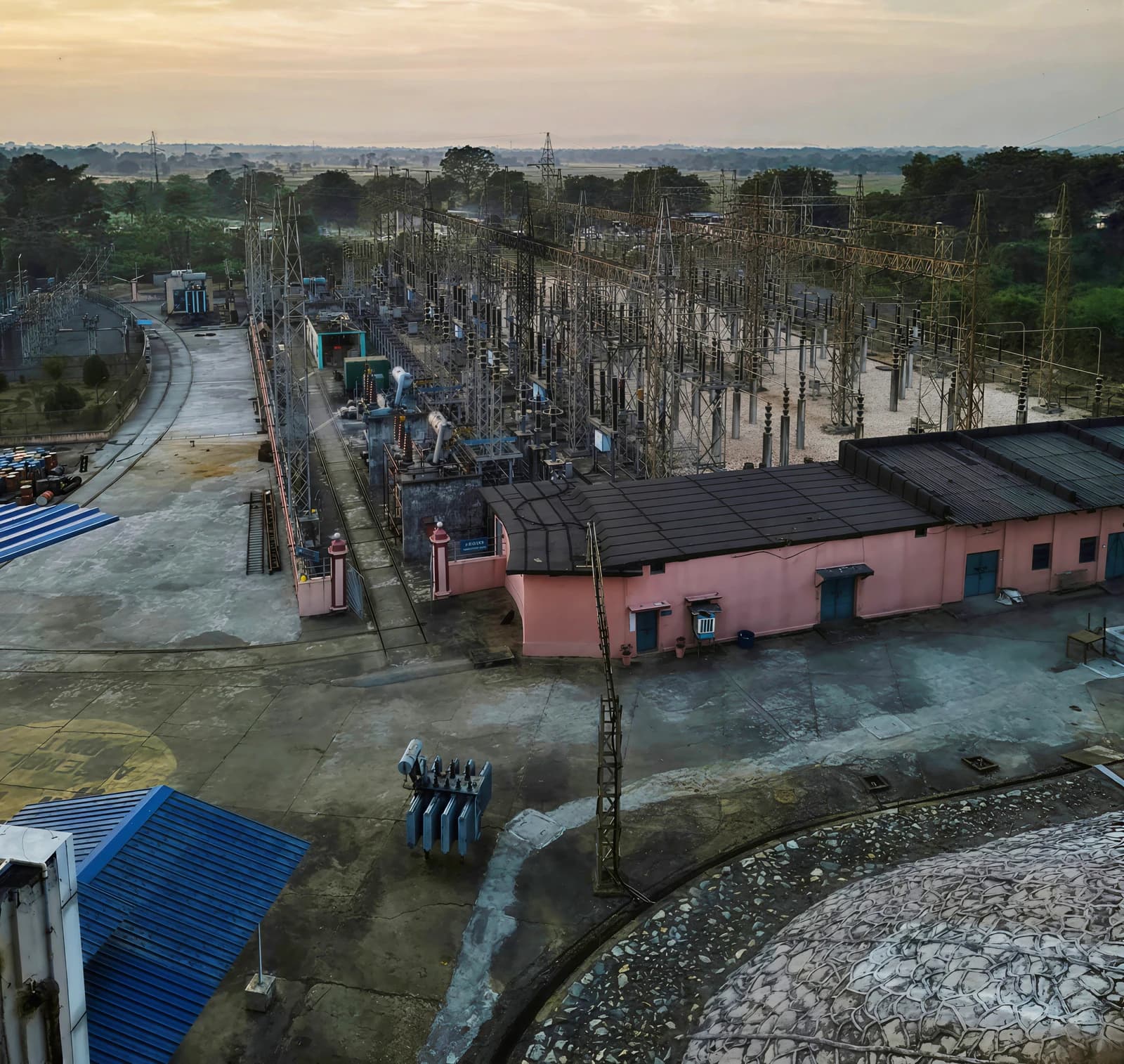
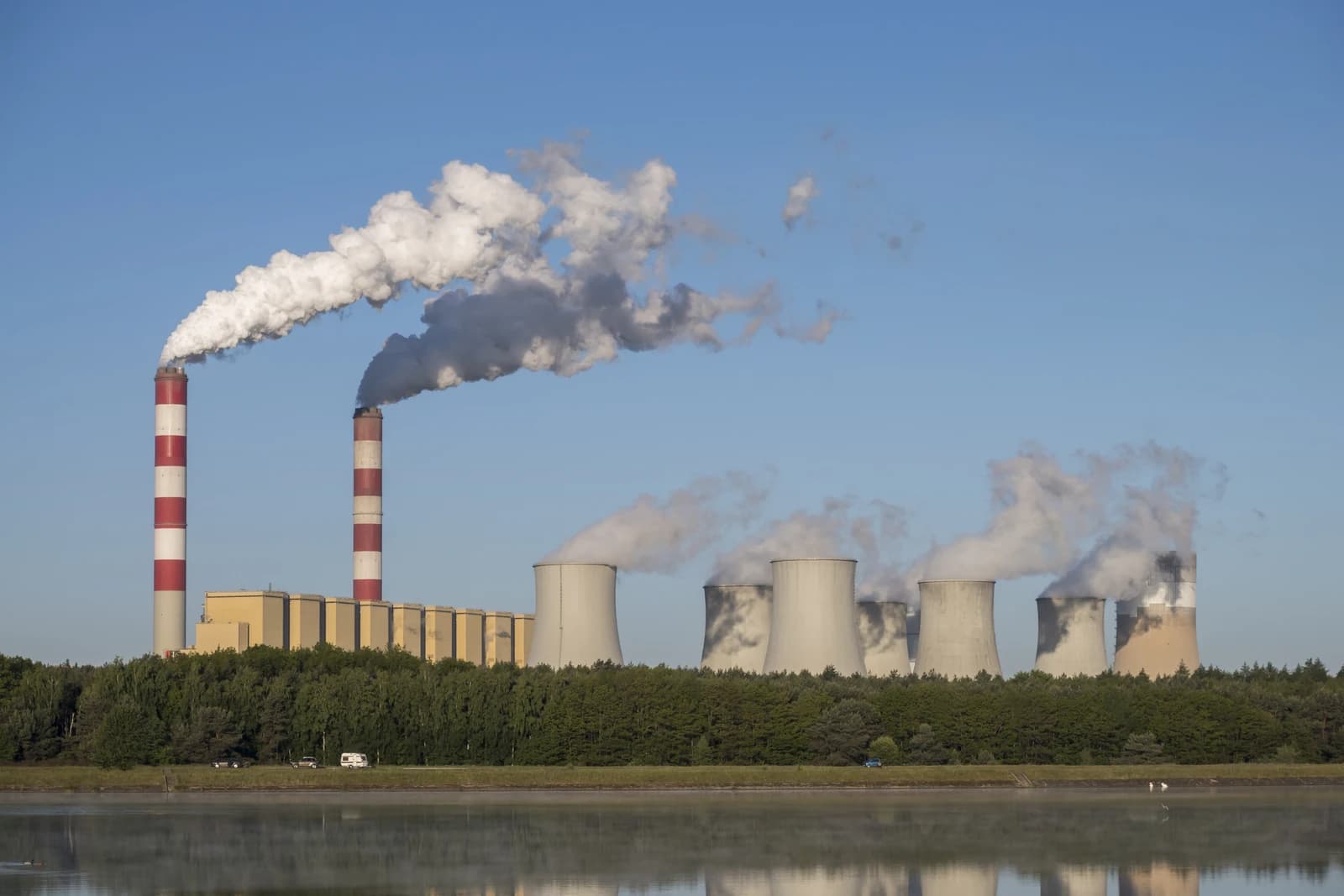
Moldova’s state district power plant in Kuchurgany has started burning coal after a reduction in gas supplies, a reminder that Europe’s eastern energy system is still vulnerable to sudden fuel disruptions and geopolitical pressure.
Moldova Power Plant Switches to Coal After Gas Cut
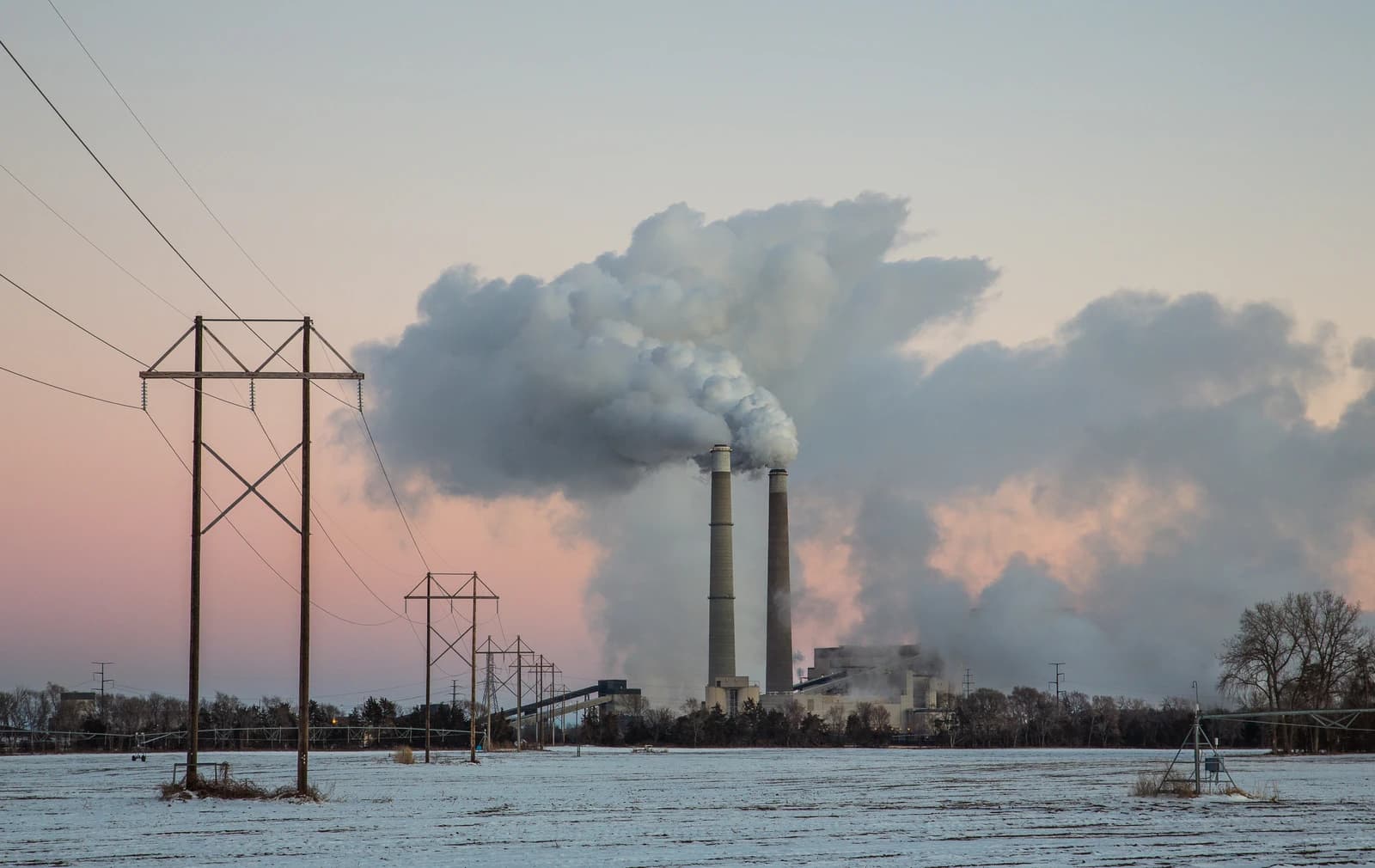
For investors, that matters because energy shortages are never just a local problem. When gas flows tighten in a country that sits on the fault line between Russia, Ukraine and the European Union, the shock tends to ripple through power prices, utility costs, industrial output and regional policy. It also reinforces a broader theme markets have been pricing for months: security of supply is once again as important as the clean-energy transition.
Sentiment Indicators
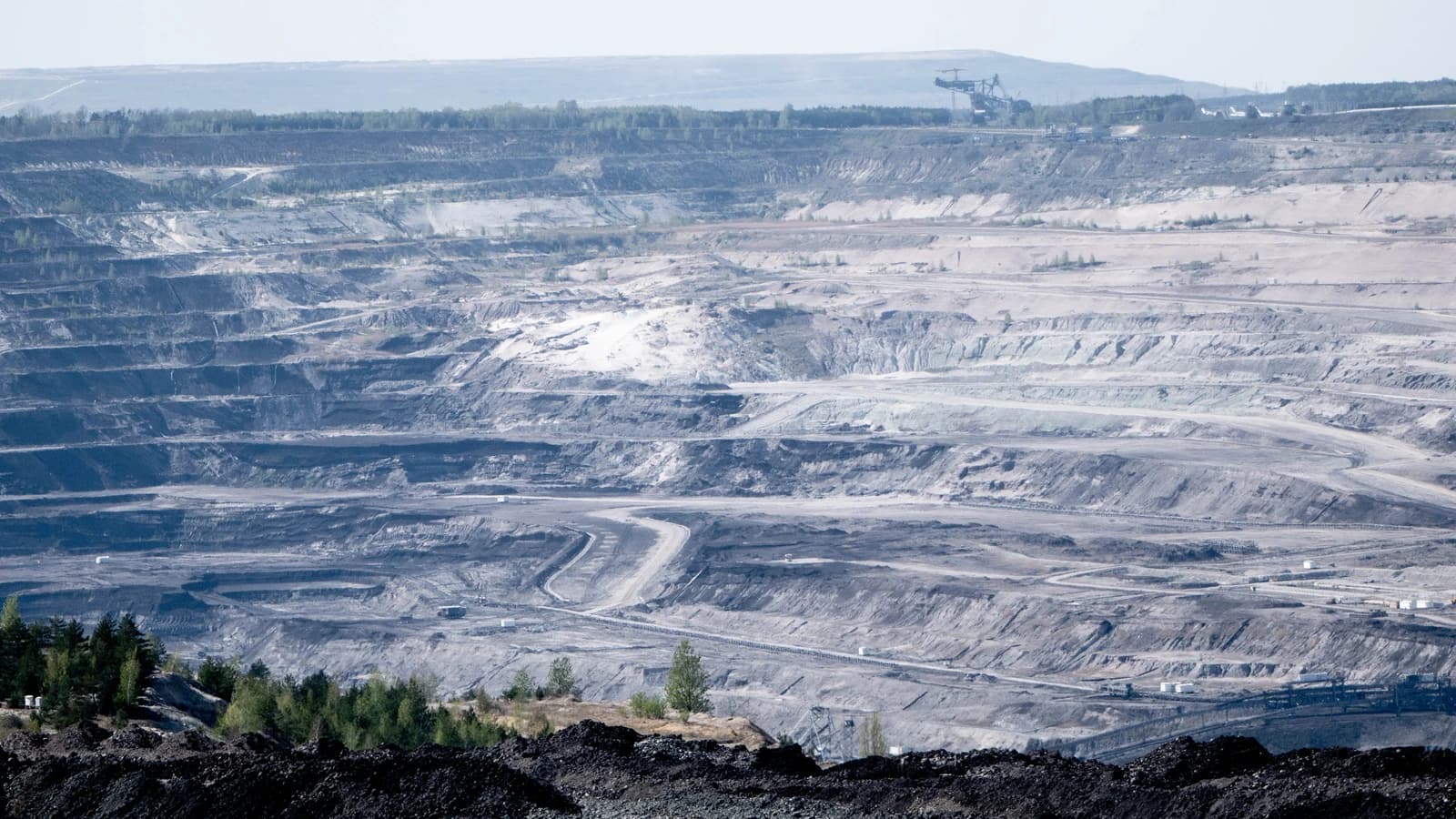
The move to coal is a practical response to an immediate problem. Power plants cannot wait for a perfect policy solution when homes and businesses need electricity now. Coal is dirtier and less efficient, but it is available, and that makes it a backstop when gas is constrained. In the short run, that can stabilize generation. In the longer run, it underscores how thin Moldova’s energy buffer remains and how dependent smaller economies are on external fuel routes.
That fragility is showing up in market signals too. Coal sentiment, as tracked by Adalytica’s Coal Fear & Greed Index, has plunged into “Fear” territory, even as the need for backup fuels becomes more visible. U.S. coal producer Peabody Energy, whose shares have been volatile, reflects the same tug of war between long-term decarbonization pressure and intermittent demand for dispatchable power. Investors should remember that commodities can rally on supply stress even when the strategic outlook stays challenged.
The broader investment lesson is not that coal has suddenly become a growth story again. It is that energy systems still need redundancy. European governments, utilities and grid operators are being forced to balance climate goals with resilience, and that usually means more spending on transmission, interconnectors, storage and backup generation. Moldova’s pivot is a small example of a much larger reality: energy security still carries a premium.
For long-term investors, the takeaway is to watch the companies and assets that benefit from system reliability, not just the headline fuel switch. Utilities, grid builders and diversified energy producers can all gain when policymakers prioritize stability. Coal itself may remain a tactical solution rather than a durable one, but the need it satisfies is real. That makes this development worth watching, especially if supply pressures spread beyond Moldova.
| Entity | Gains | Losses |
|---|---|---|
| Moldova power system | ▲Keeps electricity flowing | ▼Faces higher fuel risk |
| Coal suppliers | ▲Short-term demand boost | ▼Still long-term pressure |
| Gas exporters / suppliers | ▲— | ▼Lose volume and leverage |
| Utilities and grid investors | ▲Stronger case for resilience spending | ▼Bear higher system costs |