Moldova’s parliament has taken a key first step toward accelerating the 400-kV Strășeni-Gutinaș transmission line and the modernization of the Strășeni substation, a project that could do more for the country’s long-term energy security than almost any other single infrastructure plan now on the table.
Moldova parliament advances Strășeni-Gutinaș power line
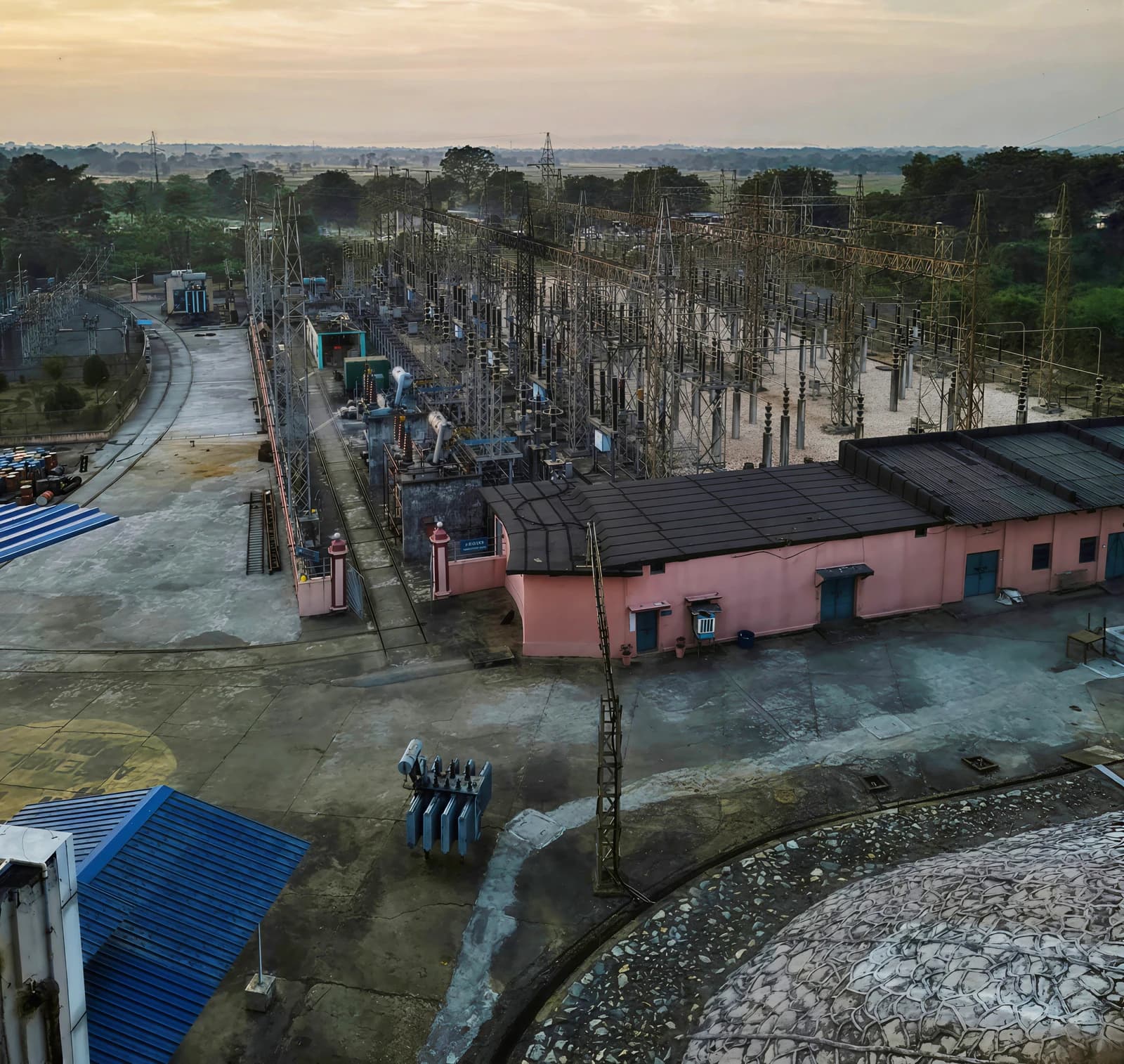
The bill, approved in first reading, would grant the works public utility status of national interest, letting authorities fast-track permits, expropriation and land-use approvals. That matters because power lines are not built on speeches — they are built on access, legal certainty and time. By trimming administrative bottlenecks, Chisinau is trying to move a strategic grid upgrade from political promise to practical execution.
Sentiment Indicators
For Moldova, the economic significance is straightforward. Better cross-border transmission capacity means a more stable electricity system, less vulnerability to supply shocks and a stronger connection to regional power markets. The government says the line will help stabilize interconnection with Southeast Europe and the Black Sea region and ease Moldova’s integration into the European Union electricity market. In a country where energy dependence has long been a macroeconomic weakness, that is not just a technical upgrade. It is a competitiveness story.
The project also carries a sizable funding tailwind. In 2025, the U.S. government publicly committed $130 million to finance construction of the 400-kV line, underscoring how central Moldova’s grid buildout has become to Western-backed energy reform. Final financing details will still have to be negotiated, but the pledge gives the project a clearer path than many emerging-market infrastructure plans enjoy.
The route itself underlines the scale of the undertaking: about 70 kilometers across 25 localities in Strășeni, Călărași, Nisporeni and Hâncești, with completion now penciled in for 2032. The law also spells out compensation at market prices for expropriated land, a detail that should reduce the risk of prolonged disputes with landowners and keep the project moving.
Investors should read this as part of a broader European push to reinforce grids, not an isolated Moldovan initiative. Utilities and infrastructure builders across the region are spending heavily to harden transmission networks, connect new generation and reduce losses. In that environment, projects with sovereign backing and external funding tend to get prioritized because they support both energy security and long-duration capital deployment.
For long-term investors, the message is less about a near-term trade and more about a structural theme: electrification, grid modernization and regional interconnection are becoming essential assets in the energy transition. Moldova’s move does not eliminate execution risk — land acquisition, permitting and construction timetables can still slip — but it does improve the odds that a strategically important project reaches the finish line. That makes the Strășeni-Gutinaș line one to watch, not for volatility, but for compounding value over years rather than quarters.
| Entity | Gains | Losses |
|---|---|---|
| Moldova’s grid system | ▲Greater stability and interconnection | ▼Reliance on aging infrastructure |
| U.S. funding backers | ▲Strategic influence in energy security | ▼Limited leverage if delays persist |
| Landowners along the route | ▲Market-rate compensation | ▼Loss of property/use rights |
| Consumers and businesses | ▲More reliable power supply | ▼Continued exposure to project delays |