Moldova’s fragile bid to join the European Union is colliding with a regional autonomy fight in Gagauzia that could become another lever for Moscow to slow or block accession.
Moldova EU Bid Faces Gagauzia Autonomy Fight
That is the economic and political significance of Mihail Sirkeli’s warning that the southern autonomous region is being used in Russia’s geopolitical games and that its status may need to be reviewed. For investors and policymakers, the issue is not local politics alone: EU accession is the core reform anchor for Moldova, and any disruption to that process can delay funding, weaken institutional momentum and keep the country in a higher-risk category for trade, energy and capital flows.
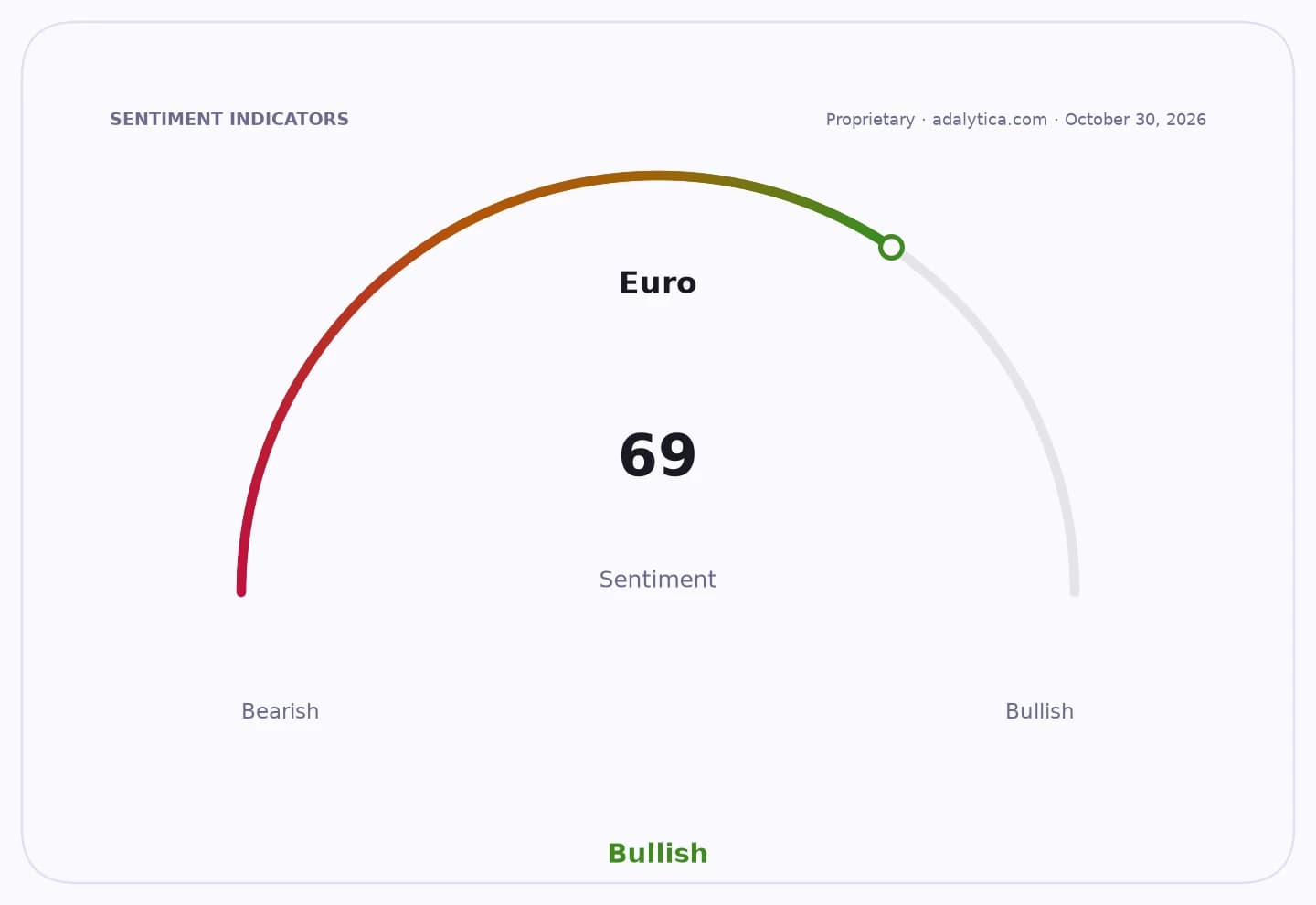
Sentiment Indicators
The timing matters. Romania has been publicly doubling down on support for Moldova’s European integration, with cross-border ties already deepening through energy, defense and investment. Romania’s companies have created 12,000 jobs in Moldova, while gas supplies from Romania are expected to continue until fall 2027. That kind of backing reduces some execution risk, but it does not eliminate the political vulnerability created by autonomy tensions in Gagauzia, where pro-Russian influence has repeatedly complicated Chisinau’s European course.
For the market, the immediate implication is straightforward: any sign that Moscow can exploit local autonomy disputes increases the risk premium on Moldova and on wider Black Sea exposure. The country remains small, but it sits on a strategic fault line between the EU and Russia, and that makes it important for regional stability, energy routing and cross-border investment. When accession momentum is strong, capital can price in reform-led convergence. When the political path looks blocked, that premium evaporates quickly.
Geopolitical Risk — 30-day sentimentadalytica.com
Explore this data interactively — full history, time series and cross-market comparisons.
There is also a broader geopolitical read-through. European integration in Moldova is not just about one country’s institutional checklist; it is part of the EU’s effort to lock in the eastern flank after years of Russian pressure. If Gagauzia becomes a durable flashpoint, it could embolden other Kremlin-aligned pressure points in the region and force Brussels to spend more political capital on internal security and governance disputes instead of enlargement.
For investors, the lesson is to look past the headlines and focus on the second-order winners. Romania’s infrastructure, energy and defense-linked firms stand to benefit from closer Moldovan alignment, while utilities and logistics operators tied to cross-border flows gain from a more integrated market. The losers are the Russian-aligned actors betting on delay, fragmentation and higher financing costs.
Adalytica’s Global Stability Sentiment gauge is flashing “Extreme Greed” even as awareness remains “Extreme Fear,” a combination that suggests markets may be underpricing how quickly a local autonomy dispute can turn into an accession roadblock. That is exactly the kind of asymmetry investors should watch in frontier Europe: the downside comes fast, but the upside from a credible EU path can compound for years.
The trade here is to stay constructive on Romania-linked beneficiaries and cautious on Moldova’s political timeline until Chisinau proves it can keep autonomy disputes from becoming a veto on European integration. The market underestimates how much leverage Moscow still has in the margins.
| Entity | Gains | Losses |
|---|---|---|
| Romania-linked investors | ▲Higher cross-border activity | ▼Less if accession stalls |
| Moldova/EU reformers | ▲Stronger integration path | ▼Delays from autonomy disputes |
| Russia-aligned actors | ▲Political disruption | ▼Fails if EU path advances |
| Energy and defense firms | ▲More regional spending | ▼If tensions ease too fast |