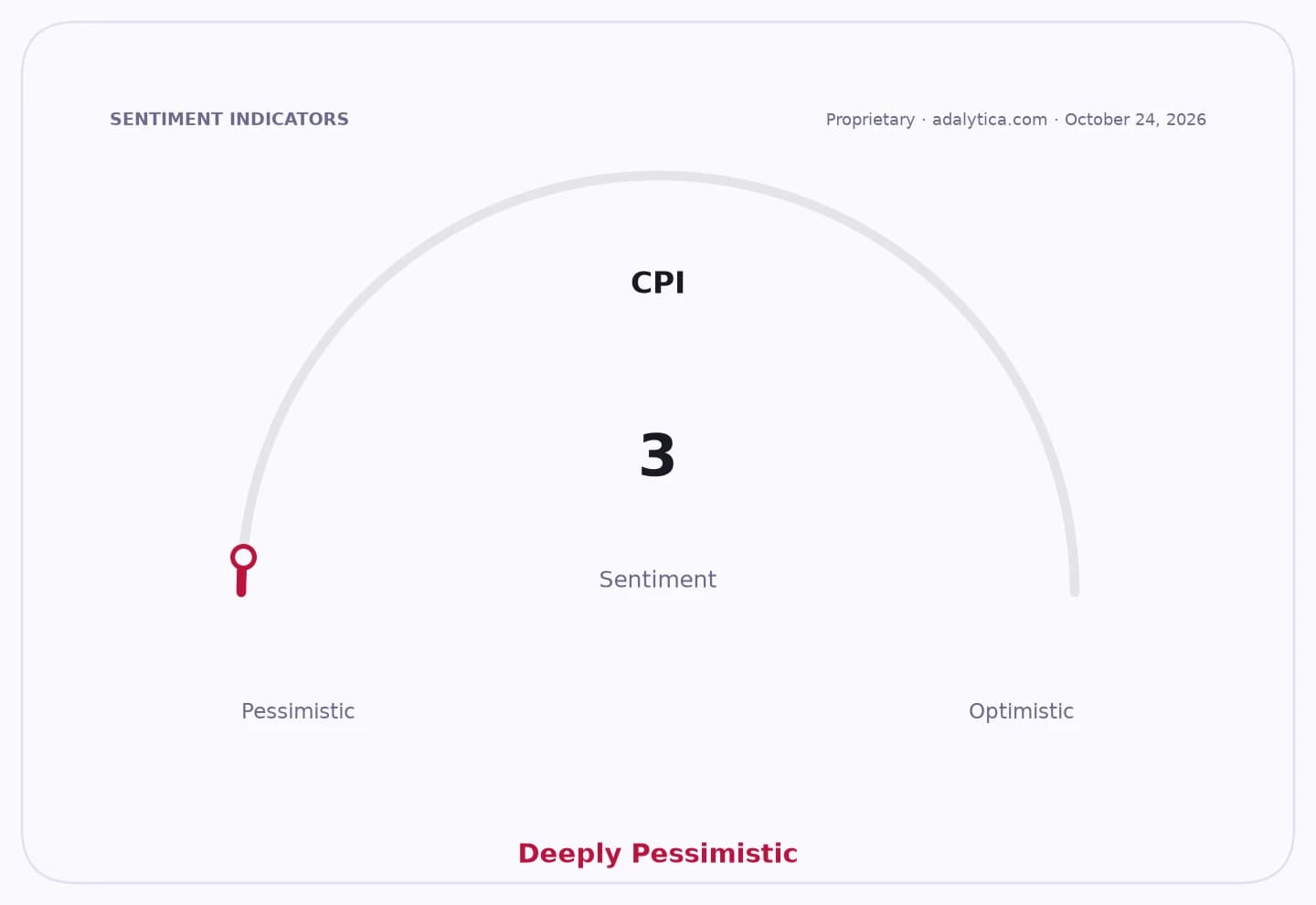
Civil unrest in Albania and a student-led political challenge in Serbia are reminding investors that the Balkans remains a fragile corner of Europe, where domestic anger can quickly turn into a geopolitical issue. That matters because instability in the region does not stay local for long: it can disrupt trade, slow reform, complicate EU accession hopes and raise the political premium on assets tied to southeastern Europe.
Balkans unrest raises investor risk concerns
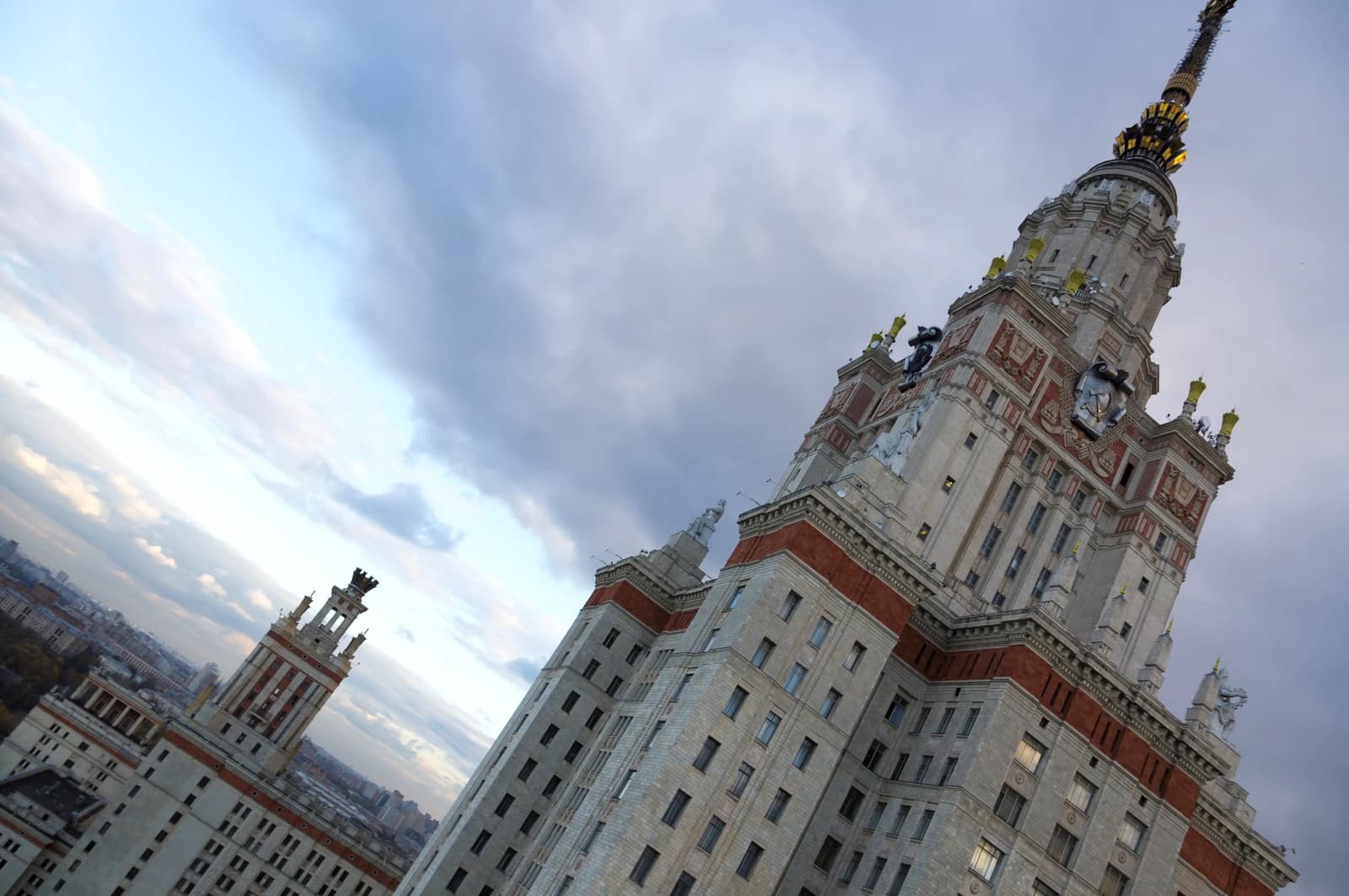
The immediate economic impact is not about a single stock or bond market move, but about confidence. When protests persist despite tougher penalties, as in Tirana, and when leaders face pressure from the street rather than only from parliament, businesses tend to delay investment and households grow more cautious. That weakens the case for the region as a destination for long-term capital, especially at a time when Europe is already grappling with sluggish growth and elevated political uncertainty.
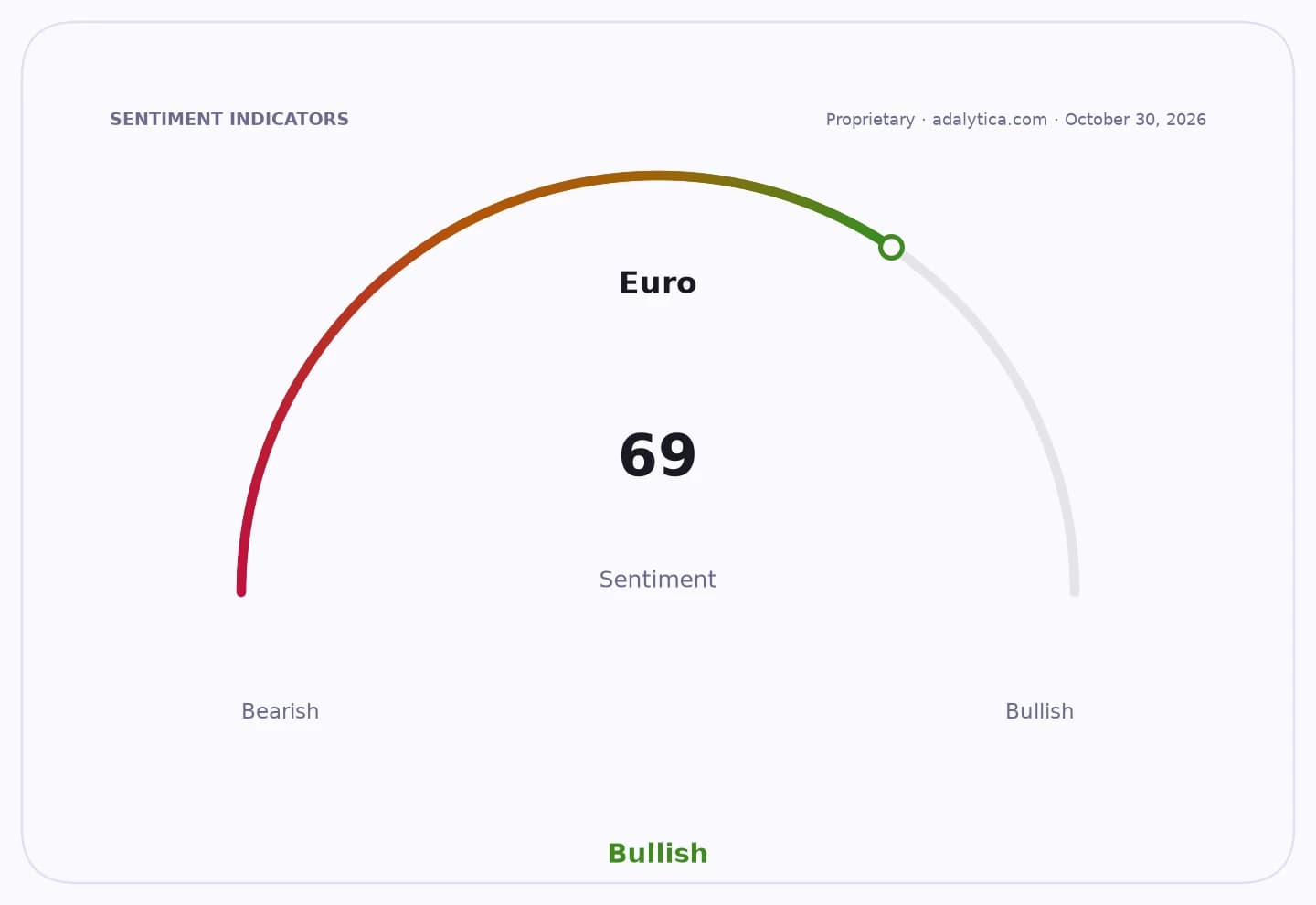
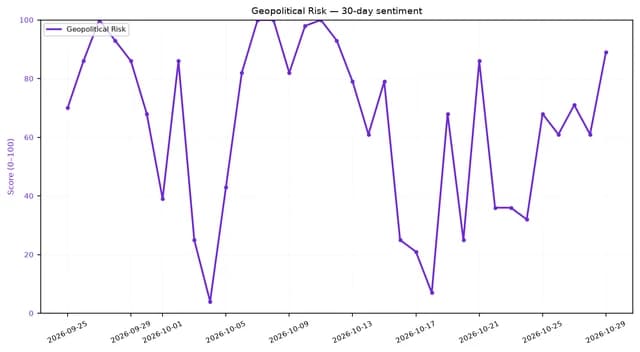
Sentiment Indicators
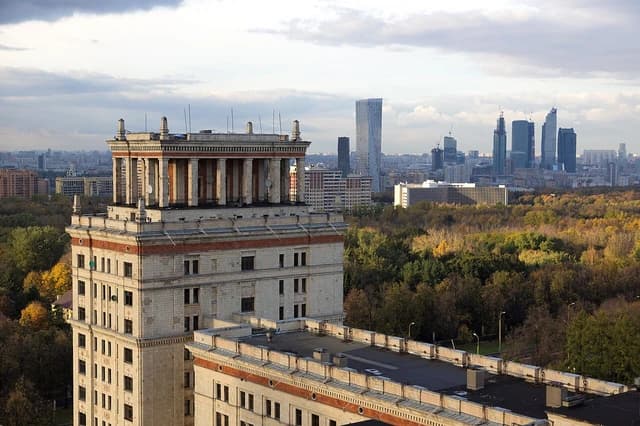
The story also has a broader strategic layer. The Balkans has long been a place where outside powers compete for influence, and the renewed unrest gives room for narratives that favor Moscow’s old playbook of exploiting divisions in Europe’s periphery. That is why talk of the Russian “bear,” Aleksandar Dugin and geopolitical pitfalls resonates beyond social media. It taps into a real investor concern: that instability in the Balkans can become a channel for wider political risk, even if the economic channels are indirect.
Markets have not priced this as a full-blown crisis, but they are hardly ignoring the backdrop. The broad global stability gauge from Adalytica shows extreme greed at 89, suggesting investors are comfortable taking risk elsewhere even as regional fragility lingers in the background. That kind of calm can be deceptive. History shows that geopolitical stress often builds quietly before it shows up in currencies, energy markets or risk assets.
For investors, the key is not to trade every headline from the Balkans, but to understand the longer cycle. Persistent protests can slow reform, delay infrastructure spending and make the region less attractive for industrial investment, tourism and cross-border capital. They also keep alive the possibility that Western policymakers will need to spend more diplomatic energy on a region that should be converging with the rest of Europe, not sliding back into disorder.
The takeaway is simple: the Balkans is still a region where politics can move faster than economics, and that is exactly why long-term investors should keep it on the watchlist. Stability may not be the most exciting theme in global markets, but in southeastern Europe it is often the difference between opportunity and avoidance.
| Entity | Gains | Losses |
|---|---|---|
| Protest movements | ▲Leverage over governments | ▼Short-term policy concessions |
| Albanian and Serbian authorities | ▲None in the near term | ▼Credibility and political room |
| Western investors | ▲Potential buying opportunities if stability returns | ▼Confidence and deal flow |
| Russia-aligned narratives | ▲More room to spread | ▼A stable, integrated Balkans |