GAGAUZIA’s November 15 elections are shaping up as a referendum on Russian influence in Moldova’s most pro-Moscow region, with analysts saying the outcome will matter less for local governance than for how much leverage the Kremlin can still project over Chişinău.
Gagauzia election tests Moscow influence in Moldova

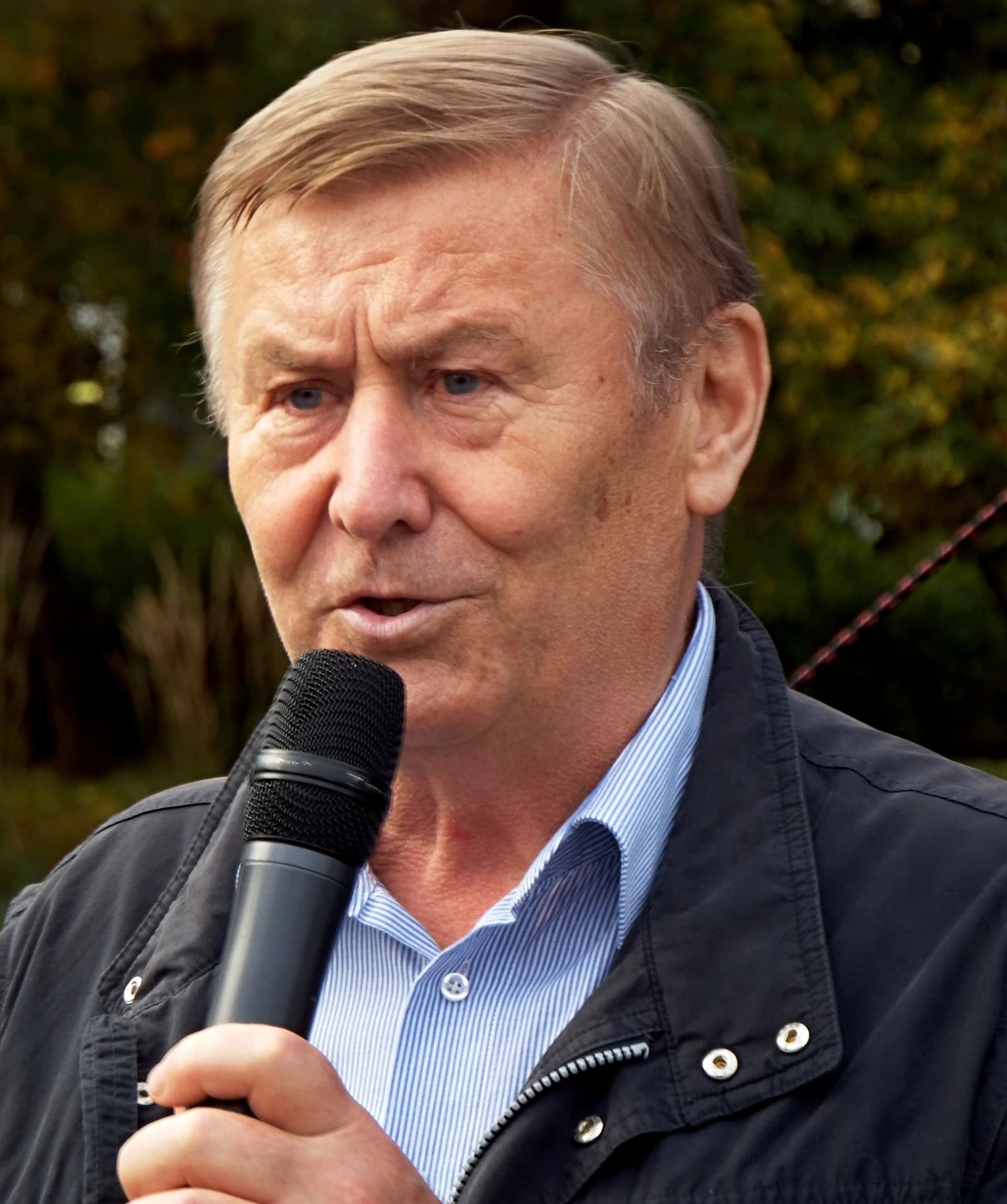
Mihail Sirkeli, a journalist and founder of the Nokta.md news portal, said Moscow remains the decisive outside actor in Gagauz politics and can effectively determine which candidates have a realistic path to victory. He argued that the contest for both the next governor, or başkan, and the new People’s Assembly is geopolitical rather than local, because the Kremlin is looking for a reliable profile that can be used against Moldova’s pro-European central government.
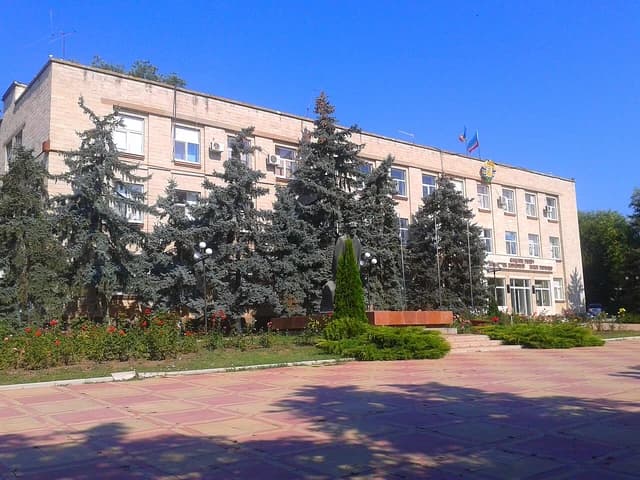
That makes the vote economically and politically important beyond the autonomy itself. Gagauzia is a small region, but it sits at the intersection of Moldova’s institutional stability, its relations with the European Union and the persistence of Russian soft power in the country. If Moscow can still shape outcomes there, it underscores the fragility of Chişinău’s ability to consolidate policy across the country, including on reforms, investment climate and cross-border trade. If it cannot, that would suggest a weakening of one of Russia’s last durable footholds in Moldova.
Sirkeli said the candidate currently benefiting from Moscow’s backing is Fiodor Gagauz, supported by the Party of Socialists. He went as far as to say that if Moscow were to withdraw support from the Socialists, the party could be reduced to “0 votes” in Gagauzia, a remark that captures the degree to which external patronage still shapes political competition in the region.
The broader backdrop is a tense but orderly campaign. Moldova’s Central Electoral Commission has sanctioned one party and issued warnings to others, while voters are being urged to check and correct registration details before the Nov. 8 deadline. Parliament speaker Igor Grosu has also called on residents to turn out, saying boycott efforts have not succeeded. That suggests authorities in Chişinău are focused as much on legitimacy and participation as on the final result.
For investors and policy watchers, the key issue is not whether Gagauzia alone can move markets, but whether it becomes another signal of Moldova’s political direction at a time when regional security, EU integration and governance risk remain tightly linked. A clean vote that preserves order and produces a workable local administration would support the case for institutional stability. A disputed or heavily externally steered outcome would reinforce concerns that Moldova’s southern autonomy remains a channel for geopolitical pressure.
Sirkeli said he expects little radical change from the vote, noting that many residents do not want a major shift in course and mainly expect the next governor to preserve the status quo, including the dominant place of the Russian language. That points to a limited local policy horizon even as the election carries outsized strategic weight for Moldova’s alignment and Moscow’s remaining influence.
| Entity | Gains | Losses |
|---|---|---|
| Moscow | ▲Leverage in Moldova | ▼If turnout rejects its preferred camp |
| Party of Socialists | ▲Electoral relevance in Gagauzia | ▼If Russian backing fades |
| Chişinău government | ▲Strong participation and orderly vote | ▼Boycott or disputed legitimacy |
| Gagauzia voters | ▲Stable local administration | ▼External meddling and polarization |