A senior Czech communist politician has joined the European Parliament’s far-right Patriots for Europe group, underscoring how the EU’s anti-Ukraine, anti-immigration and anti-Green Deal bloc is consolidating support across the political fringe.
Patriots for Europe Adds Czech Communist MEP
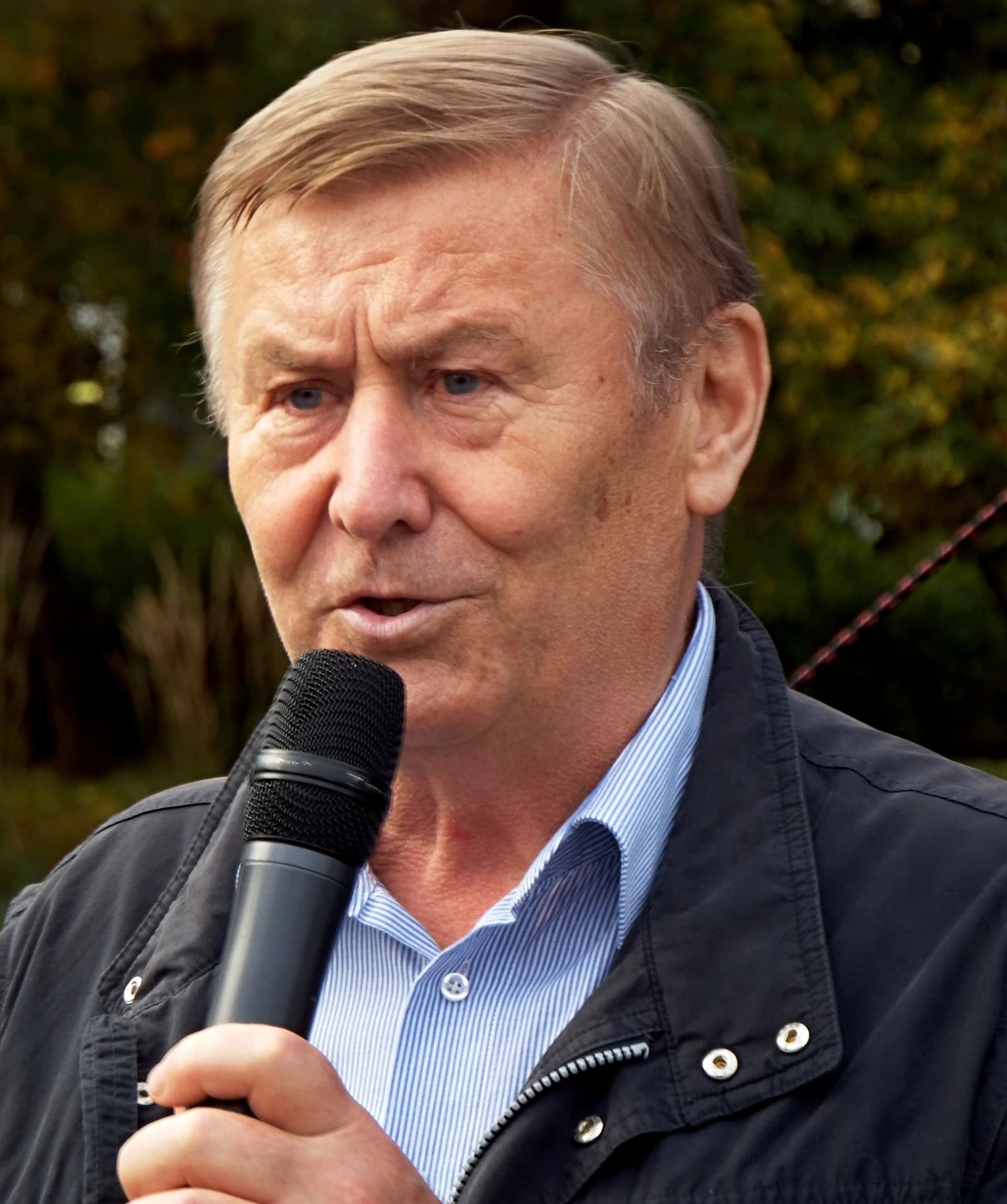
Kateřina Konečná, leader of the Czech Communist Party and a co-leader of the Stačilo! alliance, said the move was the result of a long review of where her party’s program overlapped most closely in the parliament. She argued that being unaffiliated had limited her ability to push her agenda.
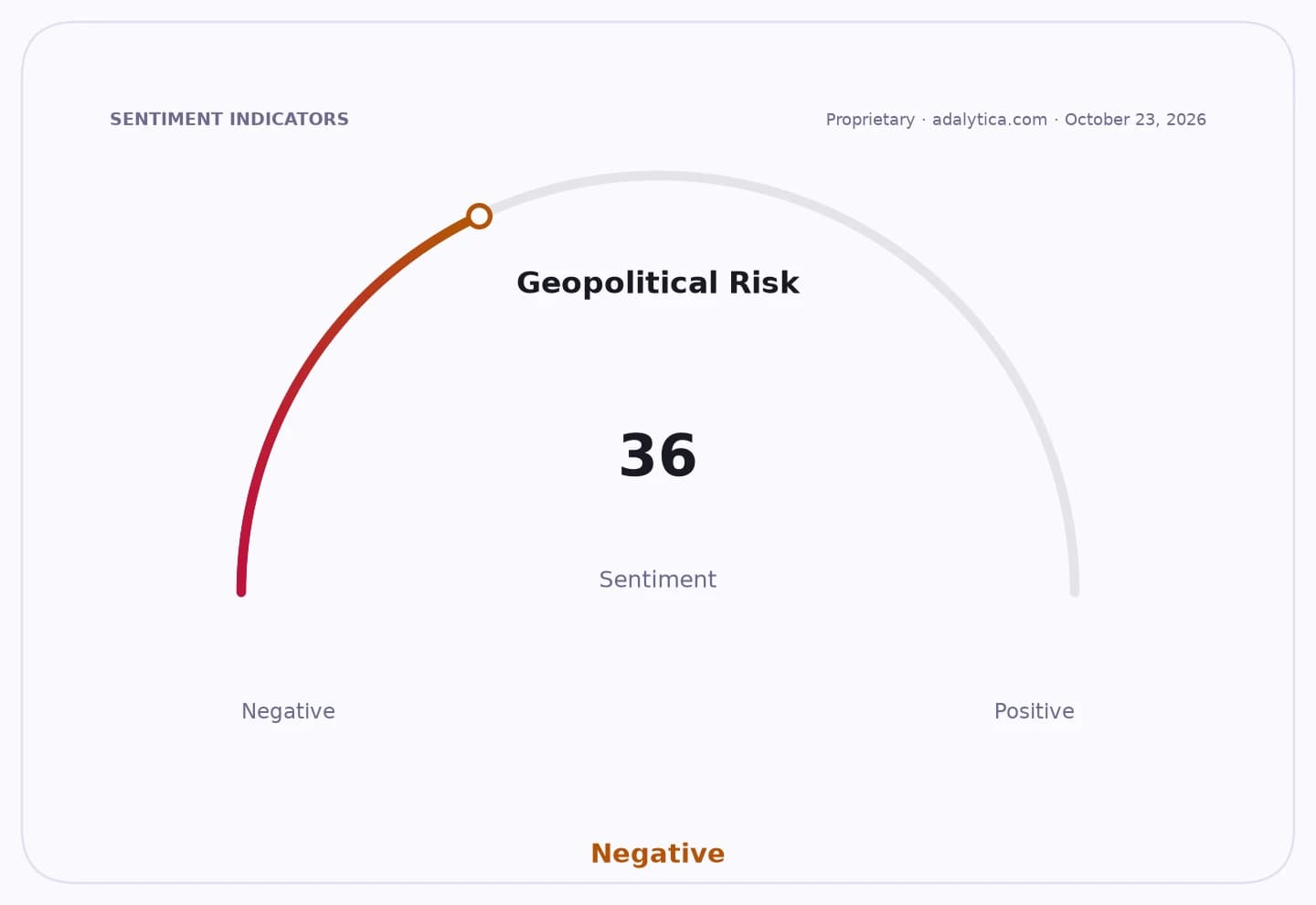
Sentiment IndicatorsⓘProprietary · adalytica.com · October 27, 2026
This is a snapshot — live sentiment, awareness and momentum for 130+ markets update continuously in the dashboard.Open AlphaPulse
The shift matters because the Patriots for Europe, formed in 2024 by Viktor Orban, Andrej Babiš and Herbert Kickl, is already the third-largest group in the European Parliament. Adding another MEP helps the bloc broaden its reach as it presses against sanctions on Russia, military aid to Ukraine and the EU’s climate agenda.
For investors, the immediate market impact is limited, but the political signal is not. A larger, more cohesive eurosceptic camp raises the risk of sharper resistance to EU policy on defense spending, energy transition and industrial regulation — all areas that feed into the euro zone’s growth outlook and sovereign-risk premium.
Konečná said her internal analysis showed the Patriots had the highest overlap with Stačilo!’s positions. Those positions include opposition to aid for Ukraine and sanctions on Russia, according to Czech opposition lawmakers, who condemned the move as evidence of a hardening anti-Western line in Prague politics.
The Patriots have cultivated a loose coalition of National Rally, Italy’s Lega, the Netherlands’ Party for Freedom, Spain’s Vox and other nationalist parties. While ideologically varied, they are united by hostility to further EU integration and skepticism toward Brussels-led climate and migration policy.
The development also lands as Czech politics remains unsettled, with President Petr Pavel calling for a pragmatic approach to Russia and a broader European role in any future talks. That makes the Czech Republic another arena in which security policy, energy costs and electoral politics are converging.
For markets, the key question is whether the bloc’s growing visibility translates into more friction inside the EU over fiscal coordination, sanctions and Green Deal implementation. The next test will be whether this alliance expands further in parliament and whether it begins to shape votes on Ukraine, defense and climate legislation.
| Entity | Gains | Losses |
|---|---|---|
| Patriots for Europe | ▲Bigger parliamentary reach | ▼Less ideological purity |
| Konečná / Stačilo! | ▲More speaking space in EU chamber | ▼Mainstream credibility |
| EU pro-Ukraine camp | ▲— | ▼Harder legislative path |
| Euro zone investors | ▲Policy clarity if bloc stays symbolic | ▼More EU policy friction |