Giorgia Meloni’s grip on Italian politics is being tested not by the left, but by a harder-edged rival on her own side of the right — and that makes her 2027 re-election path look less secure than it did just weeks ago.
Italy coalition risk rises as Vannacci gains support
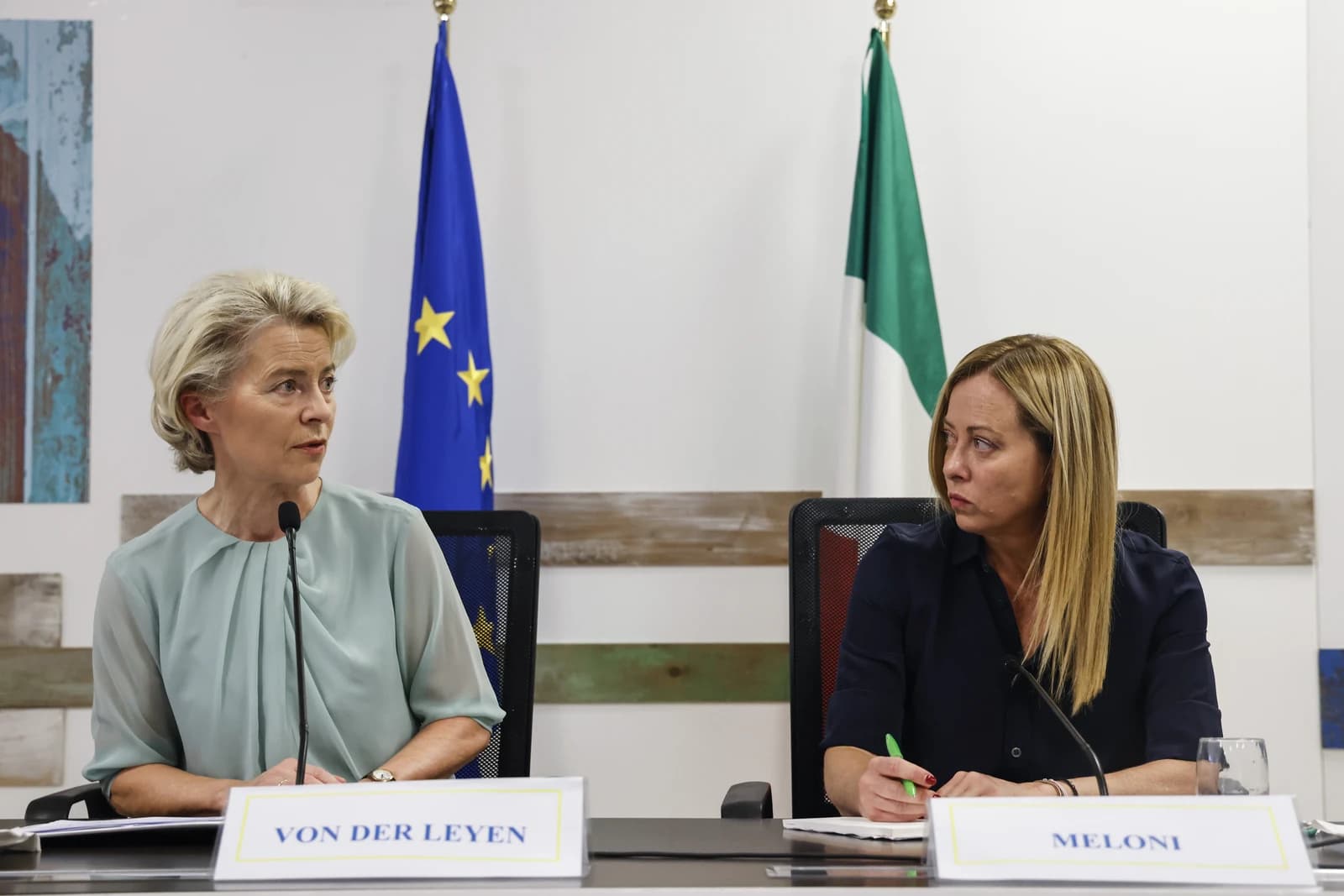
The most important development is the rise of Roberto Vannacci, a former army general whose new far-right movement is siphoning support from Matteo Salvini’s League and threatening to split the bloc that has kept Meloni in power. For investors and policymakers, that matters because Italy is not just another eurozone country: it is the bloc’s third-largest economy, a major issuer of sovereign debt and a key political pillar for Europe’s stance on migration, fiscal rules and support for Ukraine.
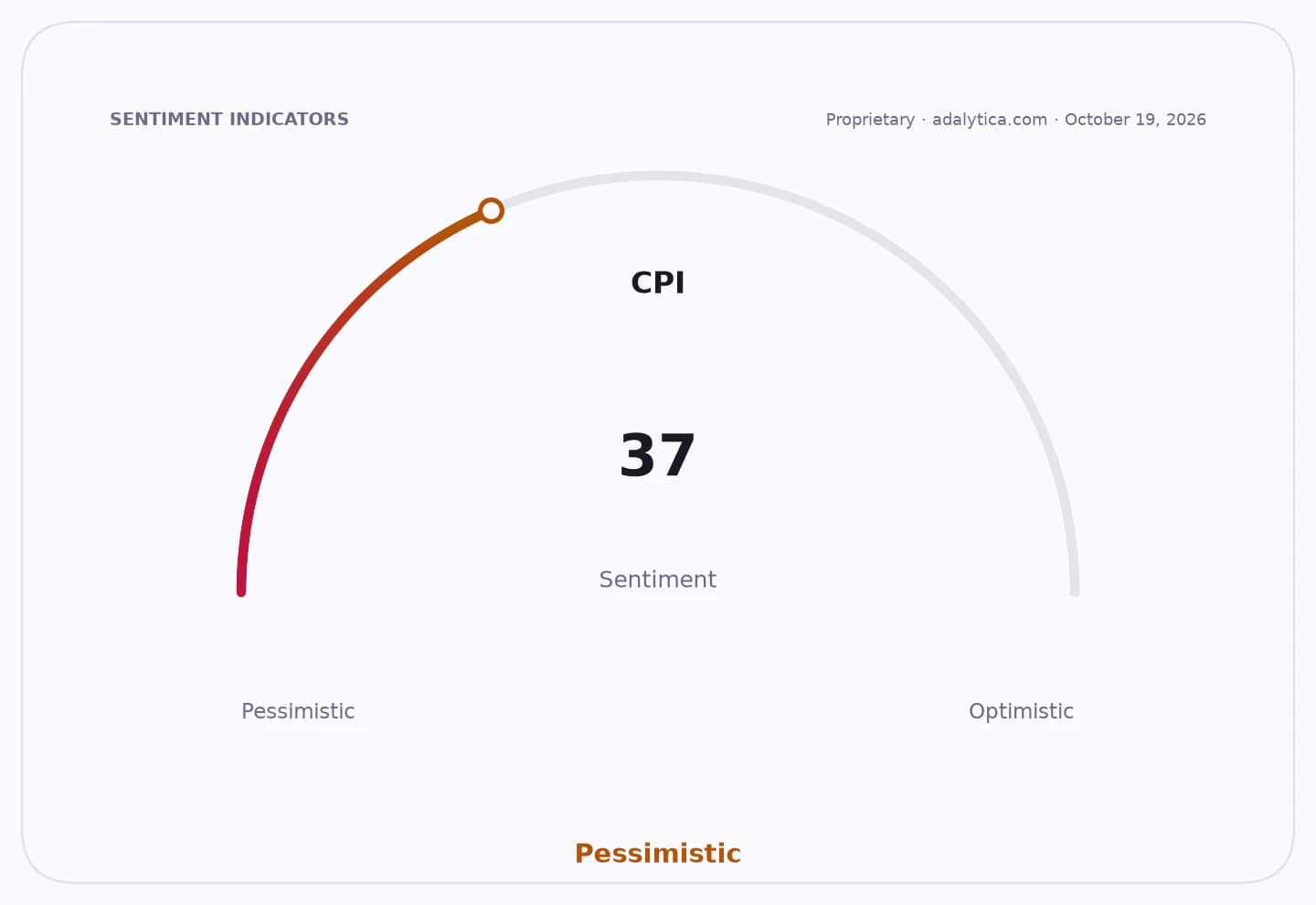
Sentiment Indicators
Meloni has spent years turning herself into the most durable figure in Italian politics. Her approval rating, around 41%, is still among the highest in western Europe, and her Brothers of Italy party has held up unusually well in an anti-incumbent era. But electoral math is unforgiving. If Vannacci continues to pull nationalist voters away from the League, Meloni’s centre-right coalition could lose the broad base it needs to stay competitive at the next election.
That is why this fight matters well beyond Rome. Meloni has made a moderate, pro-Western foreign policy a central part of her brand, especially on Ukraine. Vannacci is the opposite: he has argued that Russia is not an immediate threat, called for reopened ties with Moscow and wants Europe to ease up on fiscal discipline and defense integration. A stronger Vannacci would not only complicate coalition-building in Italy; it could also weaken one of Europe’s more dependable conservative voices at a time when the continent is already wrestling with fragmentation and fatigue over war, inflation and migration.
Meloni’s response so far has been to harden her line on migration and public order, hoping to reclaim voters who might otherwise drift to the new party. That can work at the margins, but it also carries risk. Lean too far toward Vannacci’s turf and she risks alienating moderates and business-minded voters. Refuse to engage and she may let the challenge grow. For a leader whose strength has always been her ability to outlast rivals, the danger now is that the threat comes from the flank she cannot easily attack without hurting herself.
For long-term investors, the takeaway is straightforward: Italy’s policy direction remains anchored by Meloni for now, but coalition instability is back on the table. That is worth watching for anyone with exposure to Italian bonds, the euro and European equities, because political continuity in Rome has real economic value. The more Meloni can isolate the far right and keep her alliance intact, the better for market confidence. If she cannot, Italy’s political premium could rise again.
| Entity | Gains | Losses |
|---|---|---|
| Giorgia Meloni / Brothers of Italy | ▲Moderate voters; governing credibility | ▼Hard-right defectors; coalition ease |
| Roberto Vannacci / National Future | ▲Protest voters; media attention | ▼Coalition stability; mainstream legitimacy |
| Matteo Salvini / League | ▲None | ▼Voter share; relevance inside coalition |
| Italy / eurozone markets | ▲Policy continuity if Meloni holds | ▼Stability if coalition fractures |