Italy is weighing a two-step income tax cut that would lift the 33% IRPEF bracket to 60,000 euros by 2028, a move that could save eligible taxpayers as much as 1,000 euros a year and give Prime Minister Giorgia Meloni’s government a politically potent way to support middle- and upper-middle-income households without a broad fiscal splurge.
Italy weighs IRPEF tax cut to 60,000 euros

The proposal matters because it is less a giveaway than a test of Italy’s budget room. The plan would cost about 3.5 billion euros in total, with roughly 1.5 billion euros needed for the first phase in 2027, when the 33% rate would apply up to 55,000 euros. Brussels’ tolerance on deficit flexibility will help decide whether Rome can actually deliver the cut, making the measure as much a negotiation with Europe as a domestic tax reform.
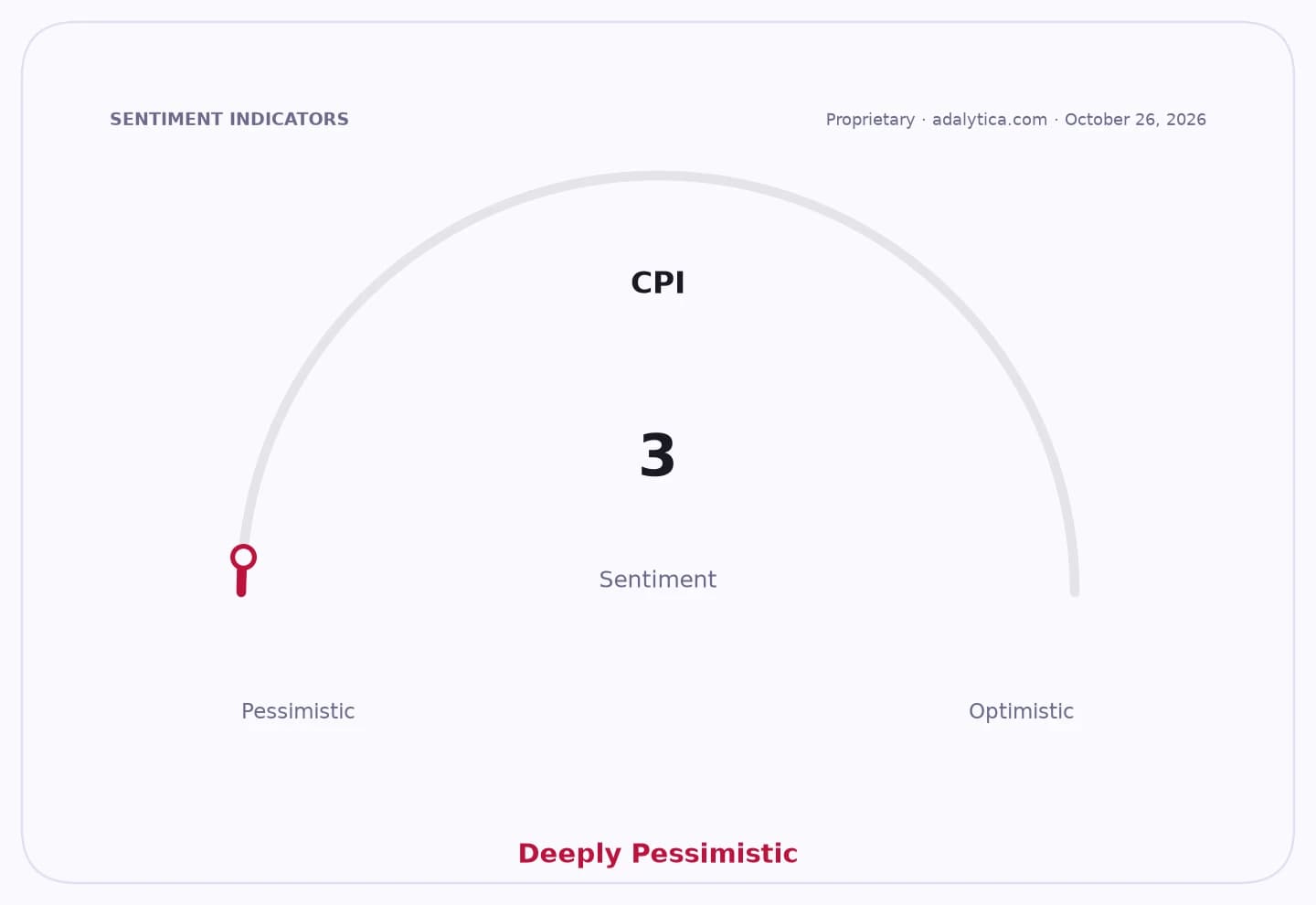
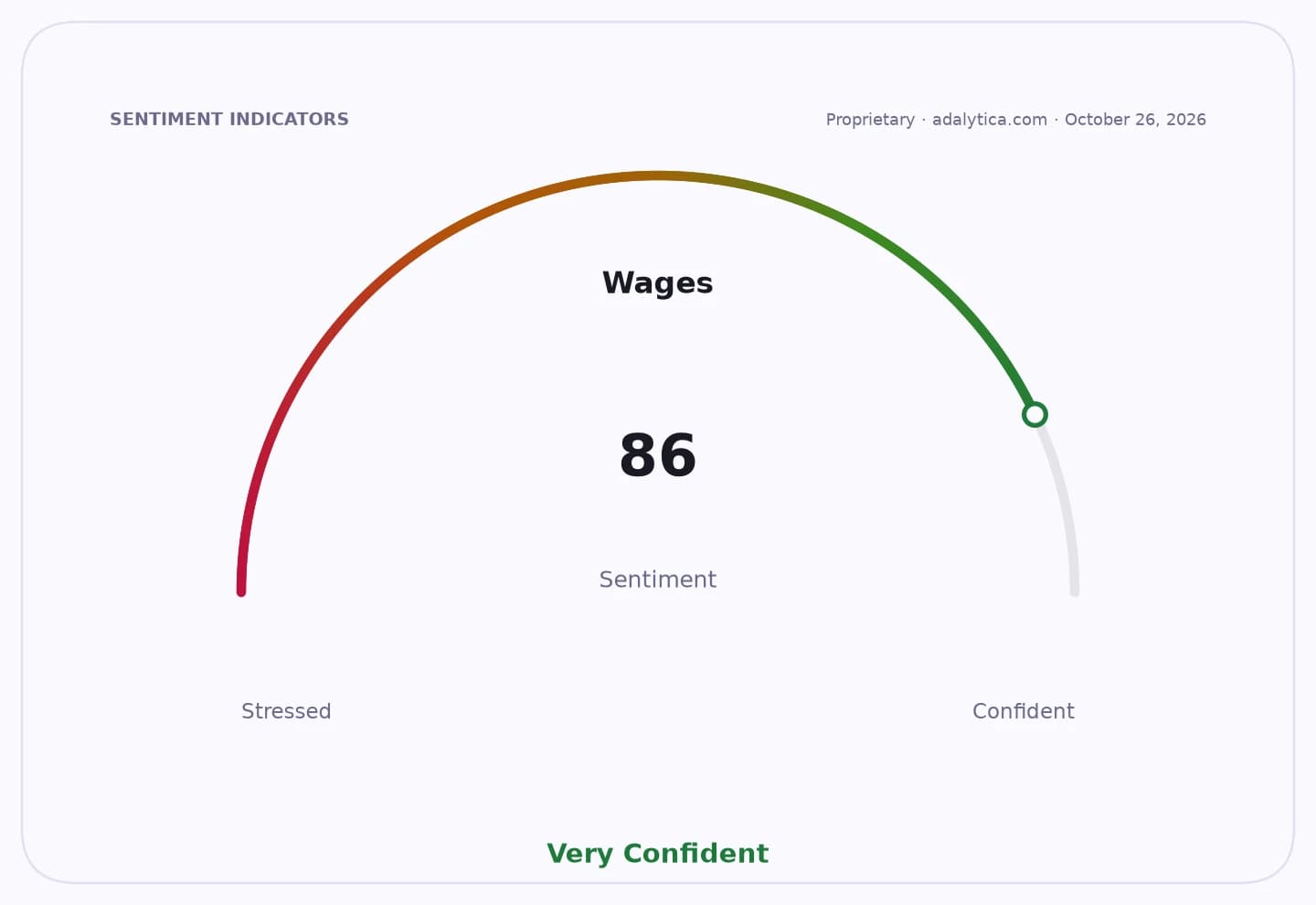
Sentiment Indicators
Consumer Spending
Economically, the change would leave anyone with taxable income below 50,000 euros unchanged, while chipping away at the 43% bracket above that threshold. Under the current design, a taxpayer on 55,000 euros would save 500 euros a year from 2027, while someone on 60,000 euros would get the full 1,000 euros only if the second stage is implemented in 2028. The savings rise mechanically with income: 100 euros at 51,000 euros, 200 euros at 52,000 euros, 300 euros at 53,000 euros, 400 euros at 54,000 euros, then 500 euros at 55,000 euros and above in the first phase.
That makes the measure more targeted than a broad-based stimulus, but also more investable from a market perspective. Italy’s economy is still trying to balance weak growth, a heavy tax burden and the need to preserve public finances. A tax cut aimed at the upper half of the middle class could support household consumption at the margin without the kind of fiscal shock that would spook bond investors — if it is financed cleanly.
The timing is crucial. Markets have already shown a preference for policy that supports spending power while avoiding a deterioration in sovereign credibility. Italy’s equity market, represented by the EWI ETF, has held above its 200-day moving average and recently traded around 56 to 58, suggesting investors are not pricing in a fiscal accident. By contrast, the broader European equity proxy EFA has been firmer, with the relative message that investors still favor regions where policy can support growth without destabilizing government finances.
For investors, the bigger story is not the tax cut itself but the second-order winners. Higher take-home pay for households on 51,000 to 60,000 euros should marginally favor Italian consumer discretionary names, domestic banks with retail exposure, and companies tied to spending on travel, autos, home improvement and services. It also reinforces the government’s broader budget strategy: fund relief for households while leaning harder on sectors that can absorb it, notably banks and energy firms, which are already facing heavier taxation in the 2027 fiscal plan.
That creates a clear political and market trade-off. Household relief may help consumption and sentiment, but it comes alongside higher levies on some of Italy’s most profitable sectors. The message from Rome is that fiscal support will be selective, not universal. For investors, that means the best positioning is likely not in the heavily taxed sectors the government is targeting, but in businesses that benefit indirectly from a modest boost in disposable income and a more resilient domestic economy.
The final shape of the reform will depend on the budget law and the outcome of talks over fiscal flexibility, so nothing is guaranteed yet. But if the 33% bracket really does stretch to 60,000 euros in 2028, Italy will be signaling that it wants growth support without abandoning discipline — a combination that can be constructive for domestic demand, selective equities and sovereign-risk perception alike.
| Entity | Gains | Losses |
|---|---|---|
| Italian middle-income taxpayers | ▲Higher take-home pay | ▼Little benefit if income is below 50,000 euros |
| Domestic consumer companies | ▲Support for spending | ▼Limited if households save windfall |
| Italian banks and energy firms | ▲Stable economy | ▼Higher tax burden |
| BTP bondholders | ▲Fiscal reform could stay disciplined | ▼Risk if tax cut strains budgets |