Türkiye’s role as host of COP31 is intensifying scrutiny of a coal-dependent economy that is still expanding the fuel it is meant to help phase down.
Türkiye COP31 Coal Policy and Limak Scrutiny
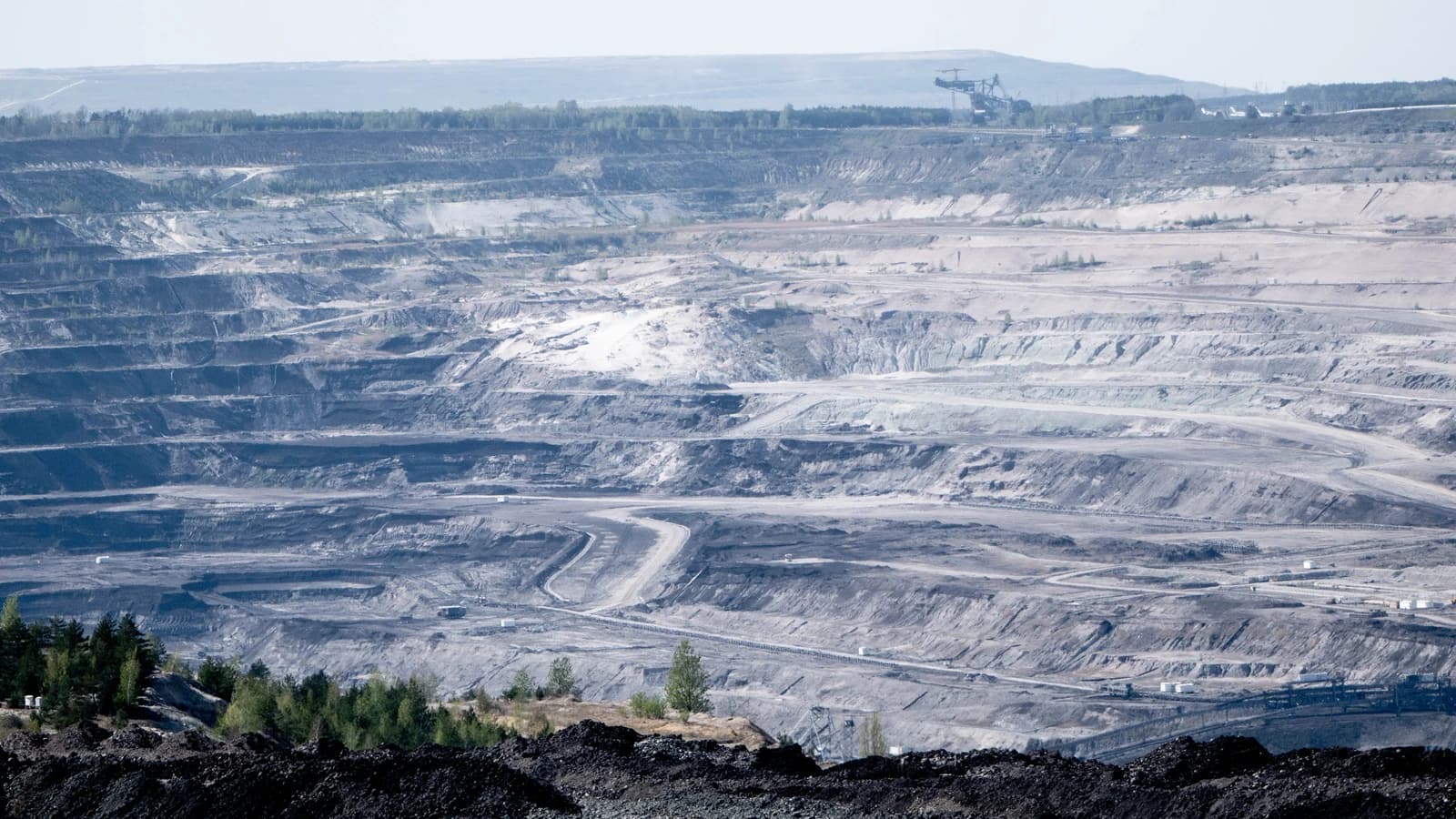
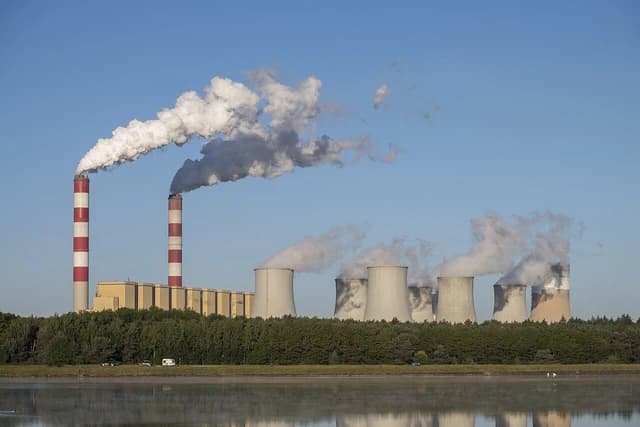
That contradiction matters because the country is not just a symbolic venue. Türkiye is now Europe’s largest coal-fired power producer, has no end date for coal generation and, according to the reporting cited by local media, plans to raise coal-based electricity capacity by about 30% by 2035. For investors, that puts climate diplomacy, domestic energy policy and asset risk on a direct collision course at a moment when coal-linked equities are already under pressure.
Sentiment Indicators
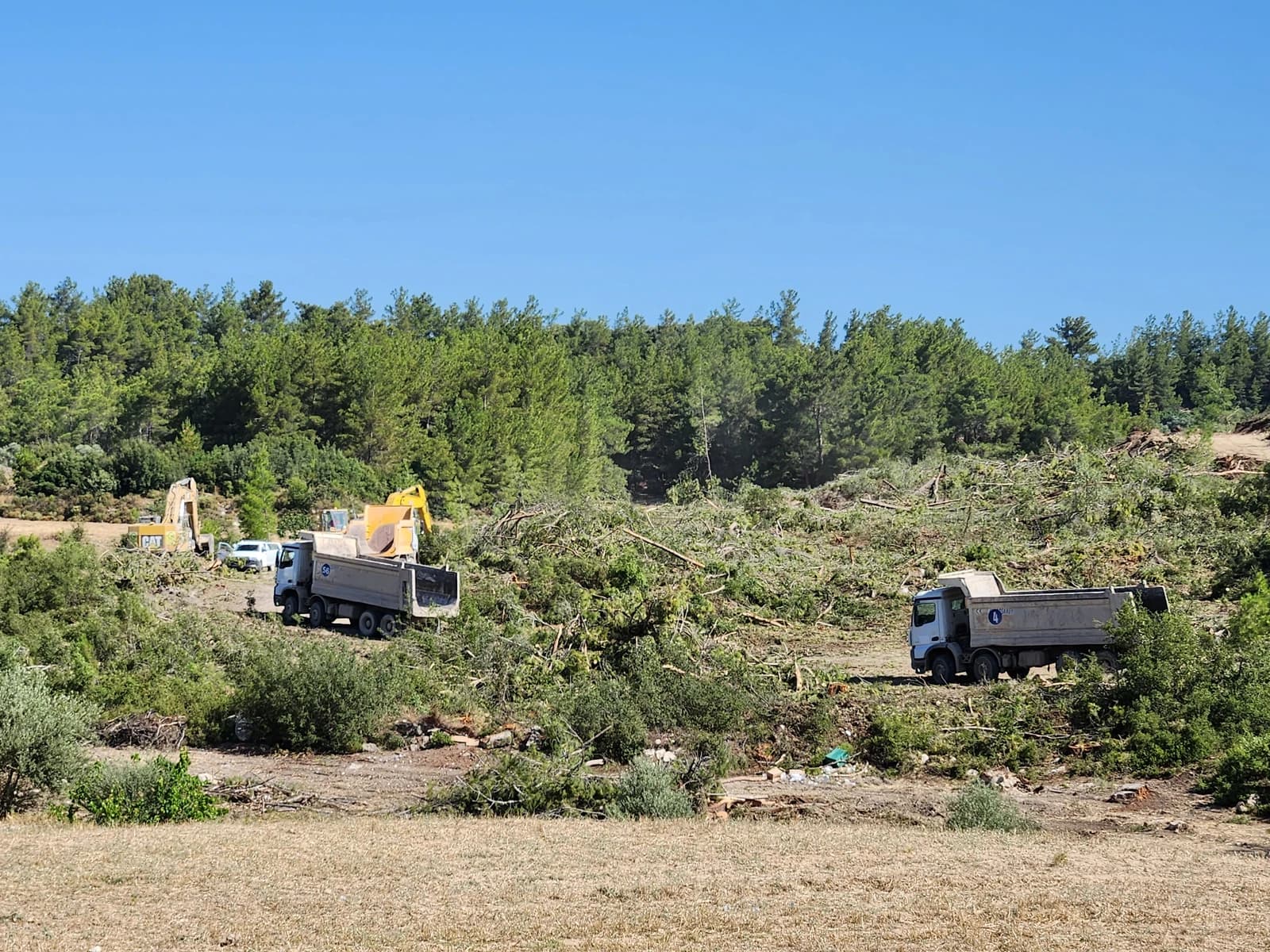
The optics are especially awkward for Limak, the construction and energy group selected as a corporate supporter of climate action at the summit despite its ownership of coal mines in western Türkiye. Those mines feed power plants and have become the focus of a high-profile local campaign in Akbelen and the village of Ikizköy, where residents say expansion has destroyed forest land and olive groves. The state’s rejection on Oct. 17 of a legal challenge to a decree authorizing expropriation of 679 plots strengthened the company’s position in the short term, but it also hardens the political and reputational costs of coal development.
The conflict is no longer only environmental. It is becoming a governance and social-stability issue. The detention and later conviction of a protester linked to the campaign against the mine, along with recent fatal accidents in coal operations in Manisa and Zonguldak, underscore the labor and safety risks surrounding the sector. That raises the potential for further legal action, higher compliance costs and more public backlash against firms tied to coal extraction and transport.
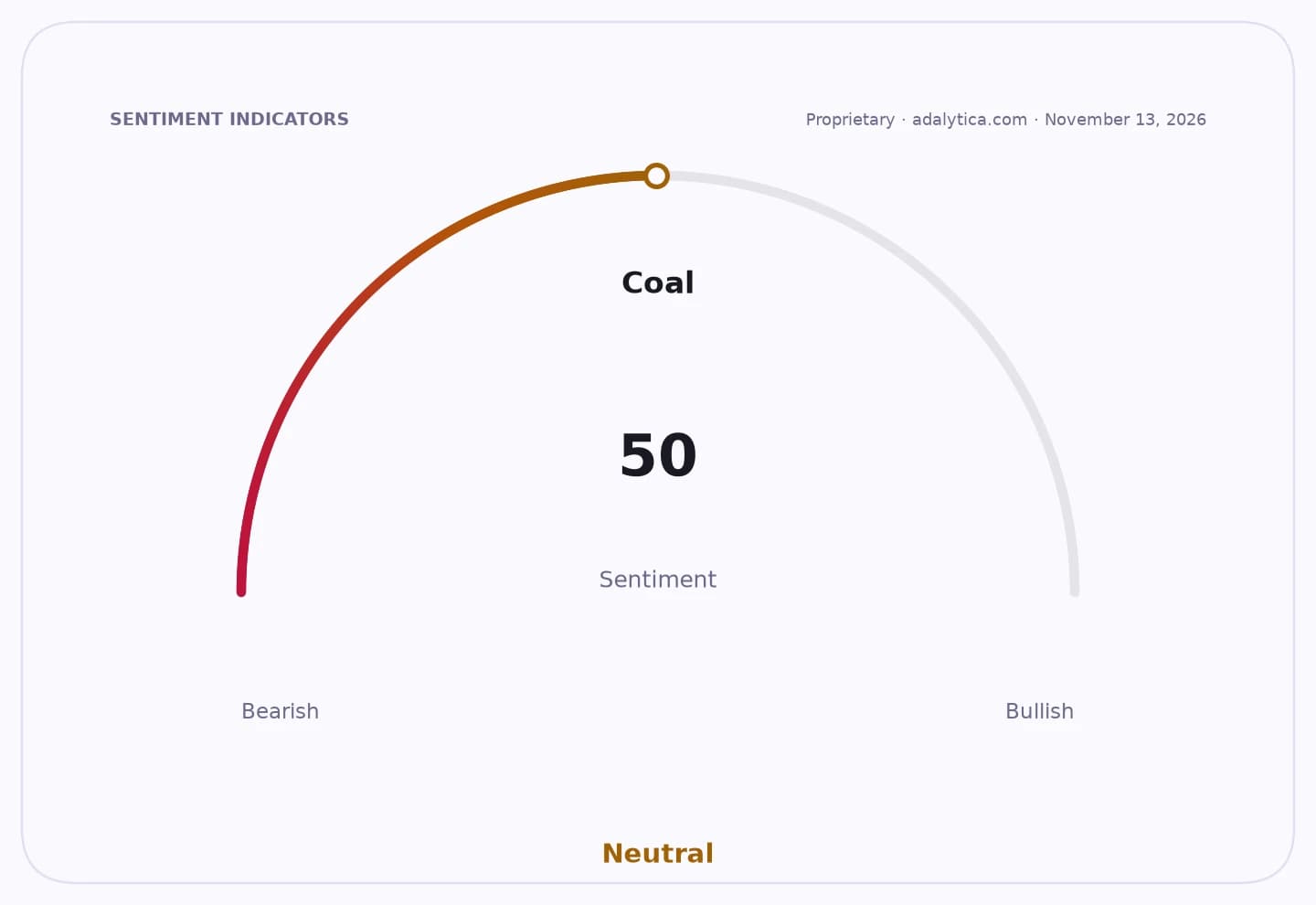
Coal — 30-day sentimentadalytica.com
Explore this data interactively — full history, time series and cross-market comparisons.
Coal
Markets are already signalling stress. Shares of Peabody Energy, one of the better-known U.S. coal names, have fallen sharply to around $17.41 from above $39 in late March, with the stock trading well below both its 50-day and 200-day moving averages and a relative strength index in deeply oversold territory. The Adalytica Coal Fear & Greed Index is in “Extreme Fear,” with sentiment at 4, reinforcing the broader view that capital is becoming more selective and less forgiving toward thermal coal.
The macro backdrop is mixed for coal producers. Oil and industrial-price measures remain elevated versus history, and the U.S. policy rate is still near 3.9%, which keeps the cost of capital meaningful across the energy complex. But the dominant structural force remains decarbonization pressure, not cyclical support. That tension leaves coal stocks vulnerable to any combination of weaker power demand, tighter regulation, accident risk or litigation tied to climate damages.
For investors, the key takeaway is that COP31 is not simply a climate summit staged in a coal-heavy country. It is a live test of whether Türkiye can reconcile energy security, industrial interests and climate commitments without accelerating the political and financial risks around coal. If the summit produces only rhetoric, the gap between the country’s diplomatic branding and its energy path will widen. If it prompts even modest policy shifts, the impact would be felt first in coal-linked holdings, local industrial groups and the broader valuation discount attached to long-duration fossil-fuel assets.
| Entity | Gains | Losses |
|---|---|---|
| Türkiye government | ▲Diplomatic visibility | ▼Climate credibility |
| Limak | ▲Near-term mining access | ▼Reputational standing |
| Coal producers | ▲Policy support | ▼Investor confidence |
| Local residents / Ikizköy | ▲Public attention | ▼Land and livelihoods |