Residents of a Turkish village near the Akbelen forest are turning COP31 into a frontline protest over coal, forcing investors and policymakers to confront the real cost of Türkiye’s energy transition: the country still gets 34% of its electricity from coal even as it talks up electrification and cleaner power.
Türkiye coal protest puts Akbelen at COP31 center
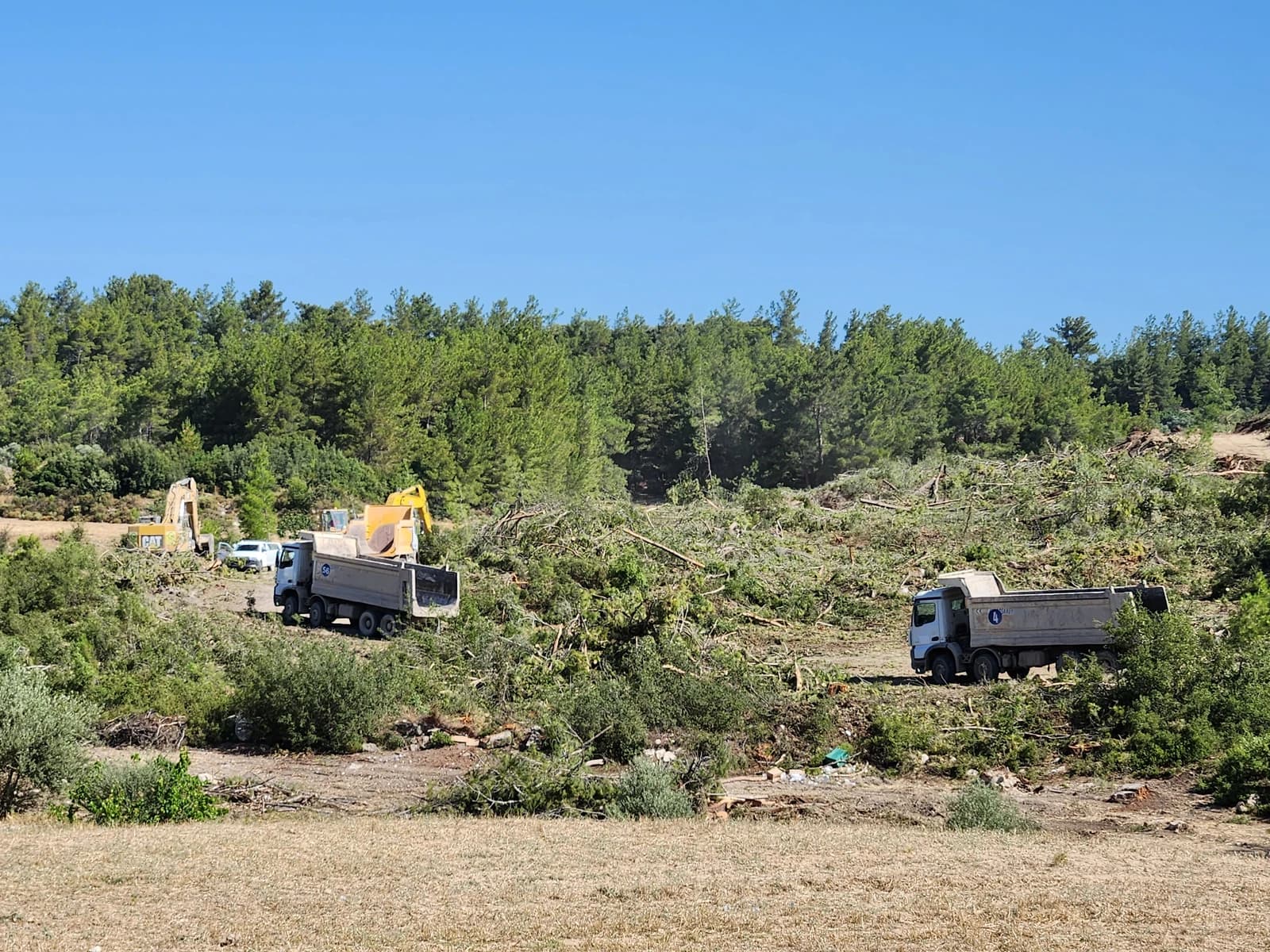
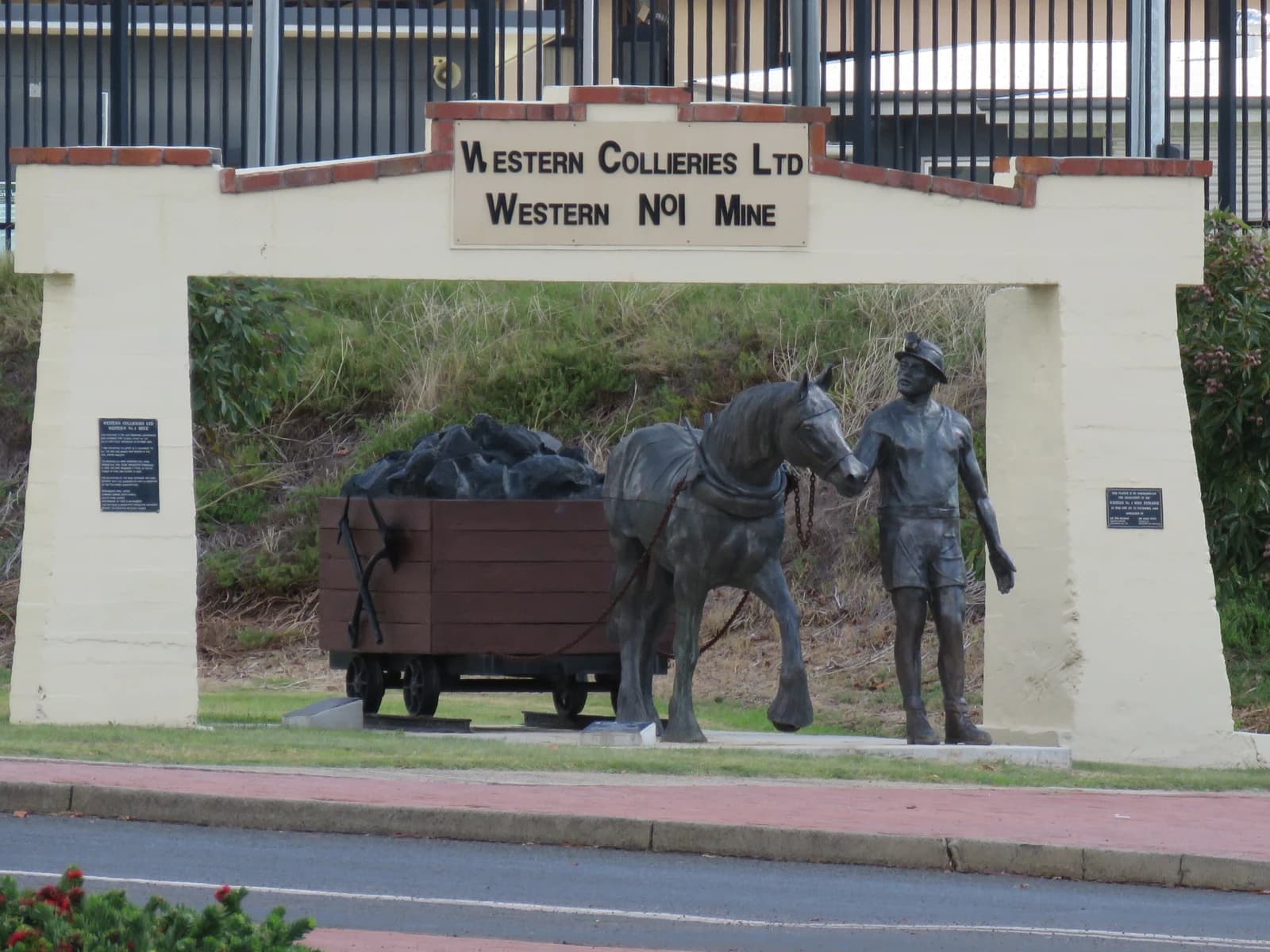
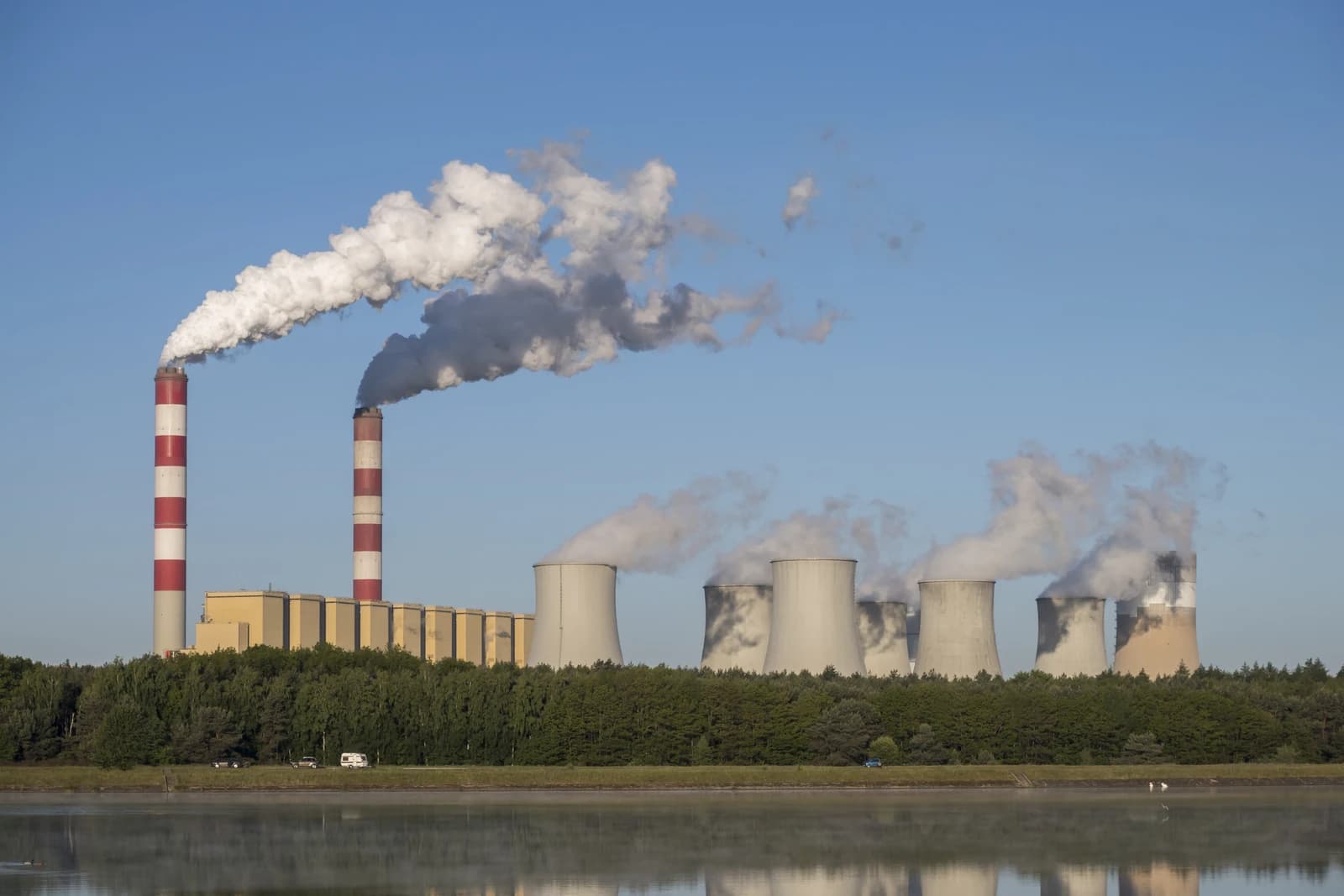
That is the economic tension at the heart of the story. Türkiye wants to present itself as a climate host and a future-heavy infrastructure story, but the country remains Europe’s biggest coal-fired power producer, and the mines around İkizköy still feed the Yeniköy and Kemerköy plants. For the market, that means the transition is not a clean break but a slow, politically fraught reallocation of capital, jobs and permitting power.
Sentiment Indicators
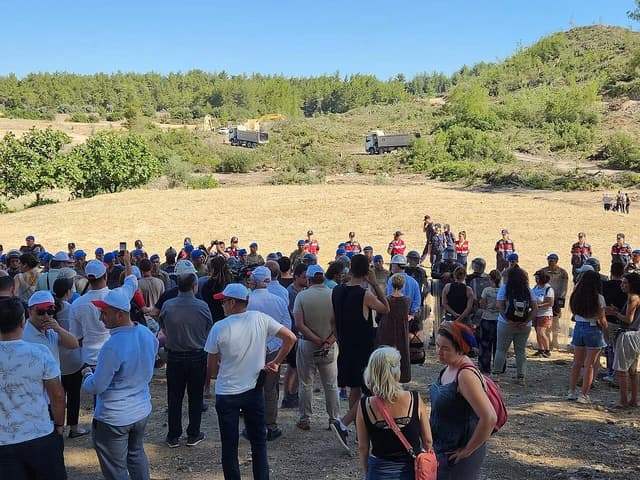
The villagers’ demand that COP31 leaders leave Antalya and visit Akbelen is not just symbolism. It is a direct challenge to the idea that electrification alone reduces emissions. If the power behind that electrification still comes largely from lignite, the dirtiest and least efficient form of coal, the climate payoff is limited. That matters for Türkiye’s policy credibility, for cross-border climate diplomacy and for the energy-intensive industries that depend on a predictable decarbonization path.
It also matters for investors because the fight around Akbelen shows where the winners and losers are likely to emerge. Coal miners and nearby utilities may continue to benefit from state support and entrenched employment, but their long-term social license is weakening. Communities, farmers and environmental groups are pushing back harder, and the reputational and legal costs are rising. Human Rights Watch has already flagged arrests, force and prosecutions tied to the protests, which raises the political risk premium around new coal-linked projects.
Geopolitical Risk
The broader investment lesson is that the energy transition in emerging markets will be uneven, noisy and highly local. Türkiye says it is working toward a “just transition” and has set a goal of 10 gigawatts of nuclear capacity by 2040, but that is a long-dated alternative, not an immediate substitute for lignite. In the meantime, coal still underwrites power supply and jobs. That keeps the carbon problem alive and the policy trade-off unresolved.
For investors, the message is simple: treat Türkiye’s coal exposure as a high-risk stranded-asset problem over time, but do not underestimate the staying power of incumbents in the near term. The bigger opportunity may lie not in coal itself, but in the infrastructure, grid, nuclear and electrification beneficiaries that stand to capture the next wave of capital once governments are forced to choose between climate pledges and local reality.
| Entity | Gains | Losses |
|---|---|---|
| Turkish coal miners | ▲Near-term jobs and output | ▼Social license and long-term value |
| Local villagers in İkizköy | ▲Visibility and pressure on policymakers | ▼Legal risk and protest fatigue |
| Türkiye’s utilities and state | ▲Power security and employment stability | ▼Climate credibility and reform momentum |
| Clean-energy and grid developers | ▲Longer-term transition demand | ▼Slower rollout while coal persists |