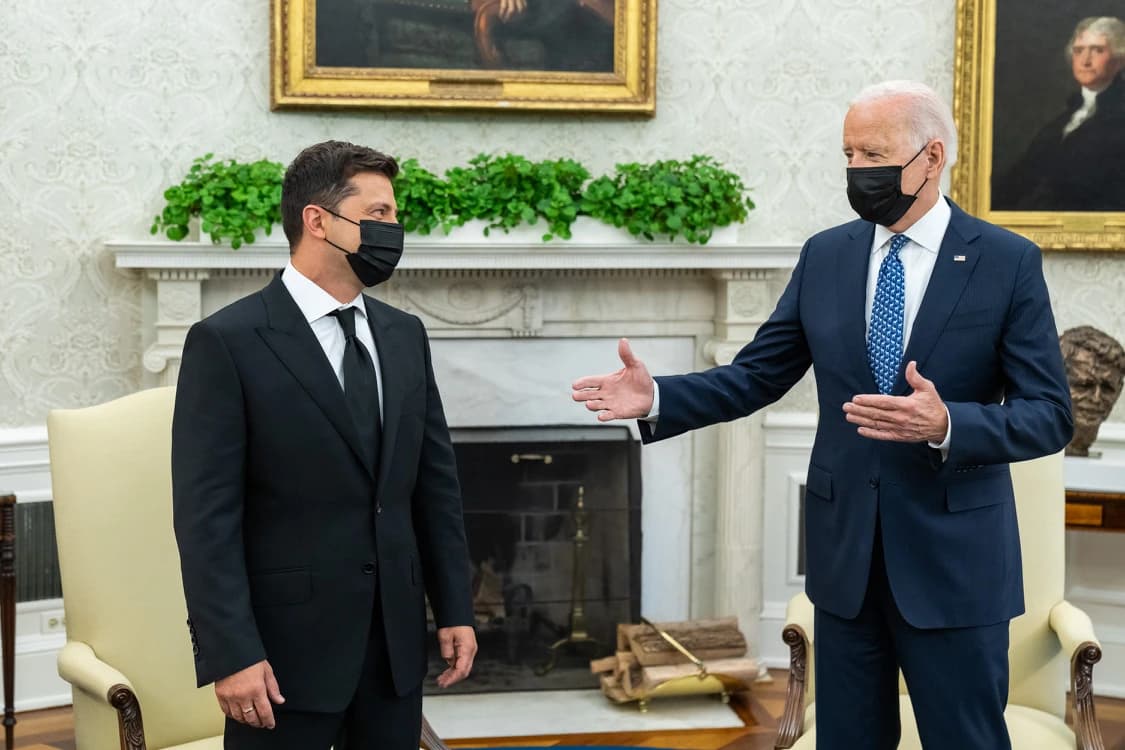
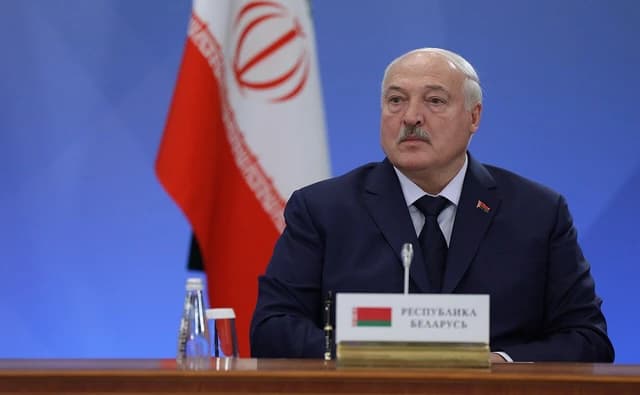
Belarusian President Alexander Lukashenko’s acknowledgement that Russia is fighting the West in Ukraine reinforces the market’s most important geopolitical trade: energy, defense and safe-haven assets remain bid because the conflict is not moving toward de-escalation.
Belarus comments keep energy and defense bid
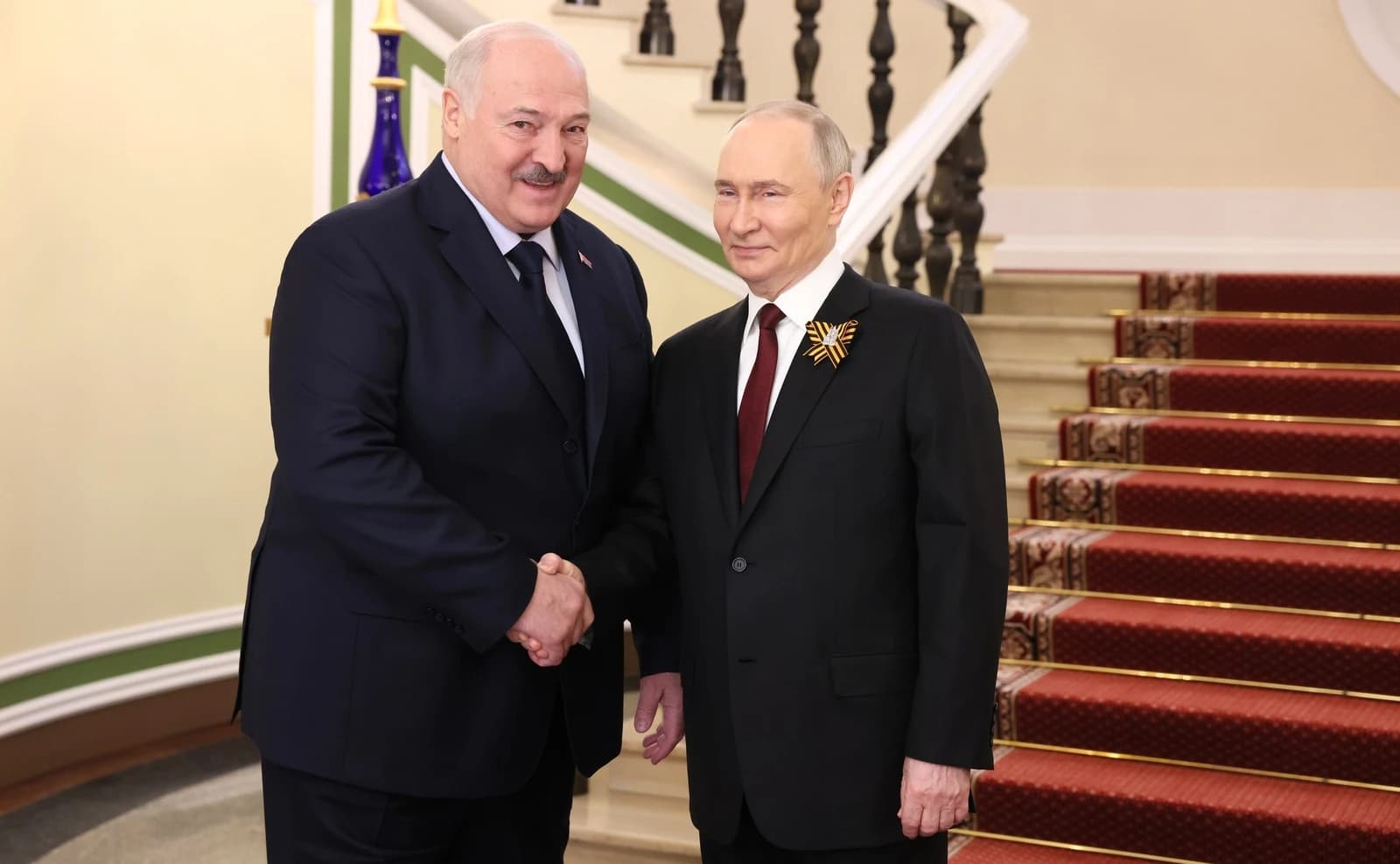
That matters because a war framed as a direct confrontation between Moscow and the West is harder to price as a contained regional conflict. It keeps the premium embedded in crude, supports military spending across Europe, and leaves investors facing a world where supply shocks, sanctions and escalation risk can reprice assets fast. WTI is still forecast near $98 a barrel, after trading around $100, while the 10-year Treasury yield is holding close to 4.9%, a reminder that geopolitics is feeding into inflation and financing conditions at the same time.
Sentiment Indicators
Oil’s latest move underscores the point. USO slipped to $145.41 on Nov. 4 from $158.17 a day earlier, but it remains far above its 200-day moving average of $125.21, showing the market is still pricing an elevated energy regime rather than a clean retreat. The broader backdrop is equally telling: Adalytica’s Global Stability Sentiment sits at 93, in “Extreme Greed,” while its oil trade signals remain only neutral, suggesting investors are alert to the risk but not yet fully positioned for another spike.
Gold is telling a more nuanced story. GLD rebounded to $372.49 on Nov. 4 after a recent slide, but it remains below its 200-day moving average of $411.98, reflecting how quickly traders have rotated in and out of havens as headlines shift. That kind of choppiness is exactly what you get when markets are trying to handicap escalation, negotiations and sanctions at the same time.
Geopolitical Risk vs USOadalytica.com
Explore this data interactively — full history, time series and cross-market comparisons.
Geopolitical Risk
For investors, the message is straightforward: this is not just a Ukraine story, it is a portfolio construction story. Elevated oil supports integrated producers, oil-field services, tanker and defense names, while the risk of higher fuel costs and stickier inflation argues for caution on rate-sensitive sectors and transport. Companies with direct exposure to global security spending, including defense contractors, remain the cleaner way to play a conflict that is proving durable rather than transient.
The next catalyst is November talks involving Ukraine, the United States and Russia, but Lukashenko’s comments suggest the baseline remains confrontation, not compromise. Until the market sees a real change in Moscow’s behavior, I believe investors should keep leaning into energy and defense exposures rather than betting on a swift peace dividend.
| Entity | Gains | Losses |
|---|---|---|
| Energy producers | ▲Higher crude prices | ▼Demand normalization |
| Defense contractors | ▲Bigger security budgets | ▼Peace dividend trades |
| Gold investors | ▲Safe-haven bids | ▼Risk-on rallies |
| Airlines and transport | ▲— | ▼Higher fuel costs |