China’s richest people are getting rich again, but this time the money is flowing to AI founders rather than consumer internet veterans, and that shift matters far beyond a trophy ranking.
ByteDance leads China rich list on AI revaluation
Zhang Yiming, the ByteDance founder, has reclaimed the title of China’s richest person with an estimated 670 billion yuan fortune, according to Hurun’s 2026 rich list, as AI products such as the Doubao chatbot helped revalue ByteDance to about 330 billion yuan. That puts the company ahead of Tencent on Hurun’s estimate and shows how quickly investors are moving to price China’s next growth engine: artificial intelligence.
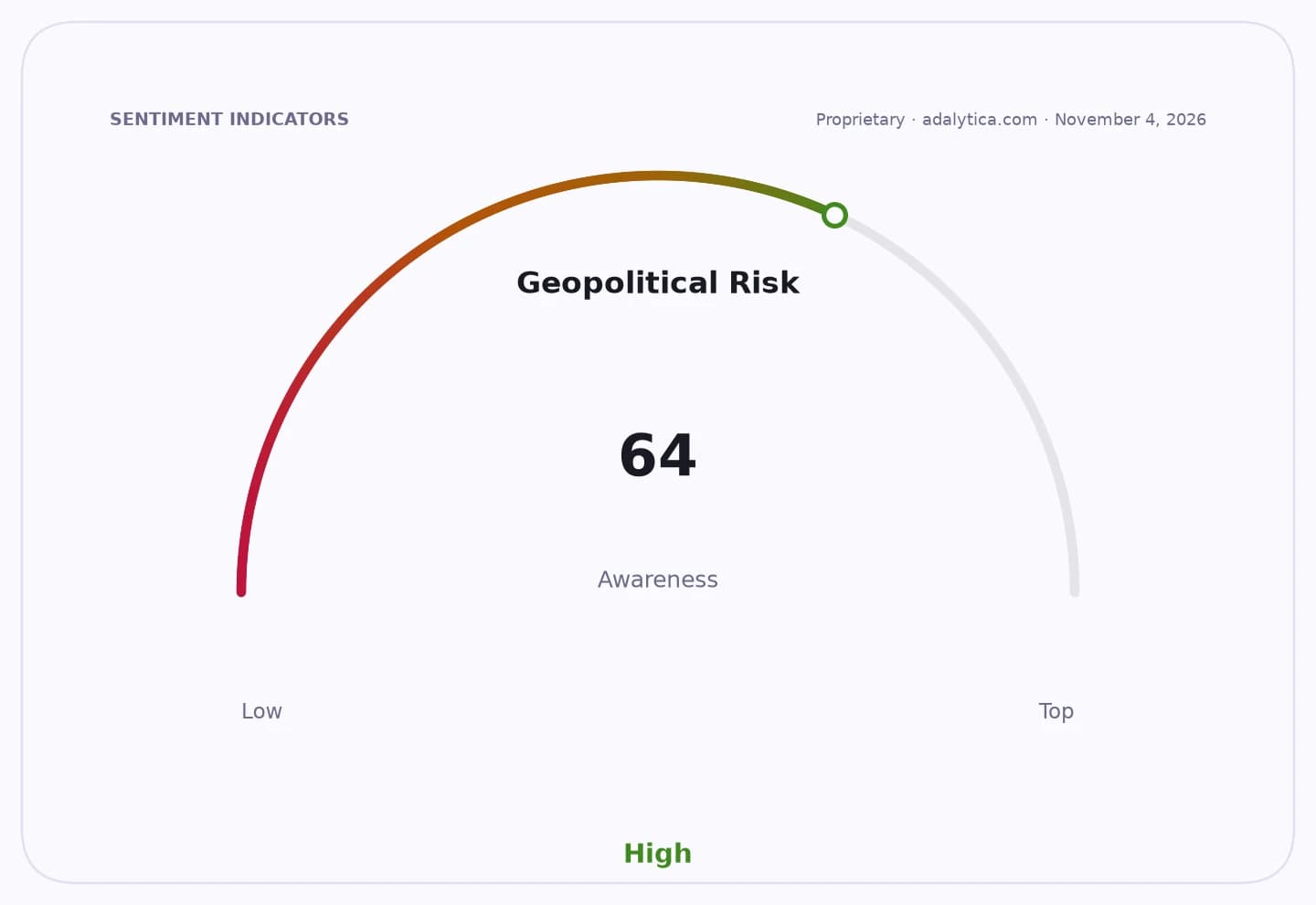
Sentiment Indicators
For investors, the message is straightforward. In China, the wealth created over the next decade is likely to come less from old winners in e-commerce, gaming and social media, and more from the companies supplying the tools for AI training, inference and deployment. That includes large-platform owners like ByteDance, model developers such as DeepSeek and chip designers like Cambricon. Hurun said one in 10 people on this year’s list became richer because of AI, while the 10 biggest gainers accounted for 56% of total wealth growth.
That concentration is important because it shows the market is not simply rewarding scale; it is rewarding exposure to the most powerful secular trend in Chinese tech. Liang Wenfeng, founder of DeepSeek, entered the list at No. 7 with 280 billion yuan after the startup’s valuation topped $50 billion, while Cambricon founder Chen Tianshi broke into the top 10 with 205 billion yuan as demand for AI chips surged. In other words, the chain of value is broadening from software models to semiconductors, and that gives investors multiple ways to play the theme.
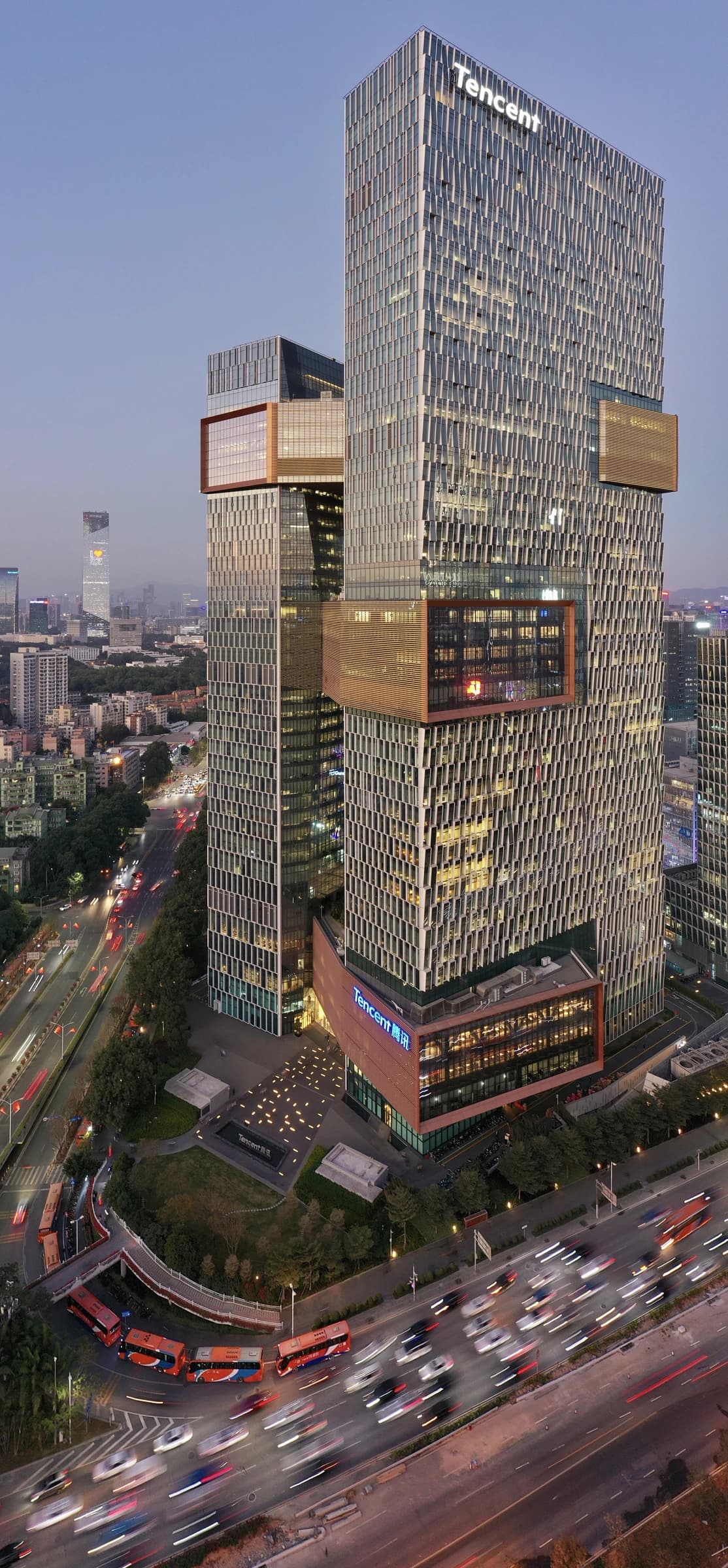
The flip side is just as revealing. Some of China’s biggest consumer wealth creators are losing ground even if their underlying businesses remain profitable. Nongfu Spring founder Zhong Shanshan, Xiaomi’s Lei Jun, Tencent’s Pony Ma and Pop Mart’s Wang Ning all saw sharp paper losses as their shares cooled or their previous growth stories lost momentum. Hurun said it was a correction rather than a collapse, but the widening gap between AI winners and everyone else is a reminder that China’s equity market remains highly selective.
That divergence matters because it reflects a deeper reshaping of capital allocation. When investors pay up for AI names, they are signaling where they expect future earnings to compound fastest. When they mark down consumer tech and lifestyle names, they are saying those businesses may still be durable, but they are no longer the market’s preferred source of explosive growth. For long-term investors, that is a useful distinction: the best businesses may not always be the best stocks if the market believes another platform is about to take off.
There is also a broader macro lesson here. China’s rich list is becoming a map of industrial policy, technological ambition and investor optimism all at once. The country’s most valuable new fortunes are being built around semiconductors, large models and the infrastructure needed to run them, which means the AI boom is feeding directly into national competitiveness. That helps explain why the private wealth rankings are changing so quickly: the market is repricing who will control the next layer of economic value.
Still, investors should remember that rich lists are a snapshot, not a guarantee. The same kind of enthusiasm that lifted AI fortunes can reverse if valuations outrun profits, regulation tightens, or the funding environment weakens. That is especially true in China, where private company valuations are harder to verify and public market swings can be brutal. But over a multiyear horizon, the bigger takeaway is hard to miss: AI is already creating a new class of winners in China, and the investors who identify the durable businesses behind that trend early may be the ones who benefit most. Worth watching for the long term.
| Entity | Gains | Losses |
|---|---|---|
| ByteDance / Zhang Yiming | ▲AI-driven revaluation | ▼Consumer-app dependence fades |
| DeepSeek / Liang Wenfeng | ▲Huge valuation jump | ▼“No commercialization” doubts |
| Cambricon / Chen Tianshi | ▲AI chip demand boom | ▼Traditional tech peers lag |
| Tencent, Xiaomi, Nongfu Spring, Pop Mart | ▲— | ▼Paper wealth declines |