Russia’s latest overnight missile and drone barrage on Ukraine is another reminder that the war’s most immediate market consequence is not on the battlefield but in the energy complex.
Ukraine strikes keep oil and defense bid

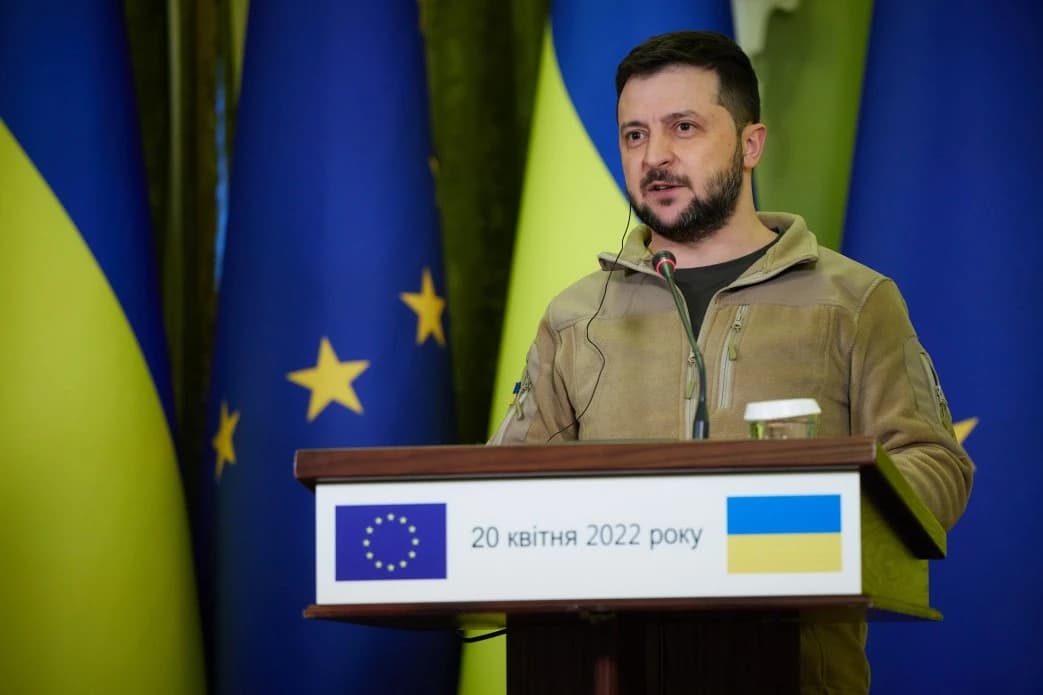
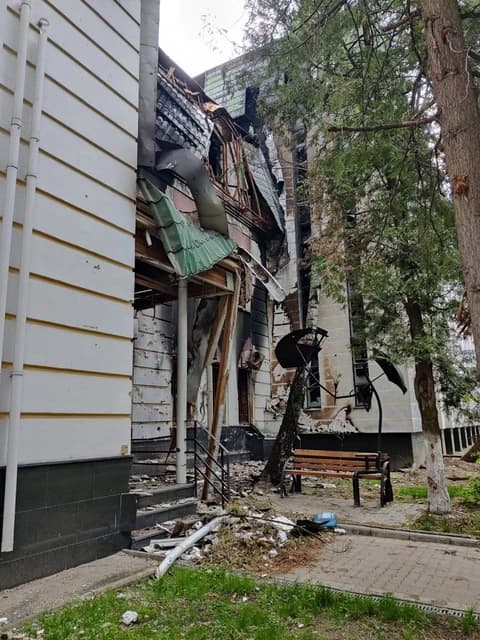
President Volodymyr Zelenskyy said Moscow launched 16 ballistic missiles and more than 200 drones in a “deliberate attack” that damaged more than 10 energy facilities, leaving at least 550,000 families without power. The strikes hit Kyiv and multiple regions, including facilities that help keep the grid and civilian life functioning, while also damaging a clinic, school, metro station and residential buildings.
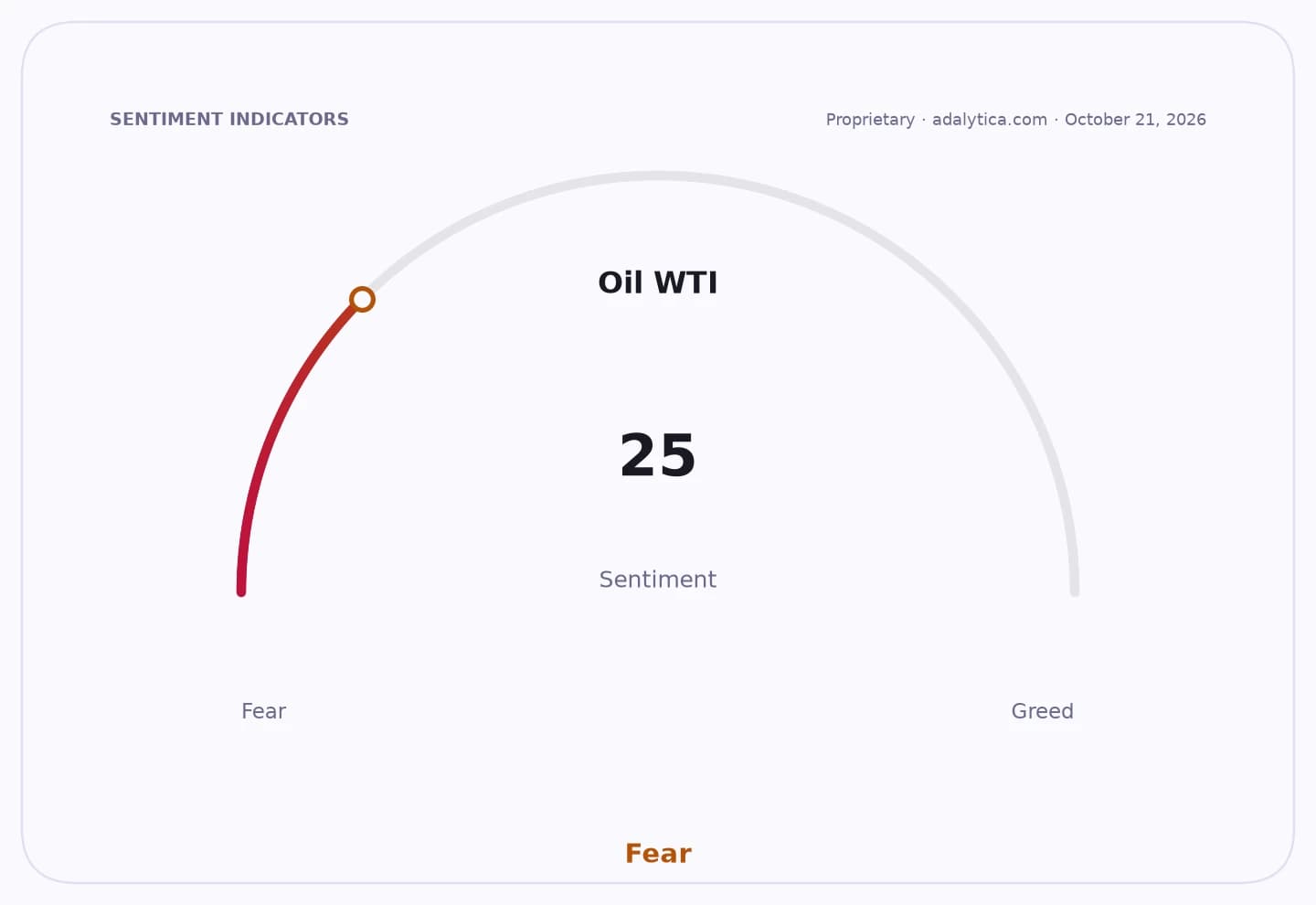
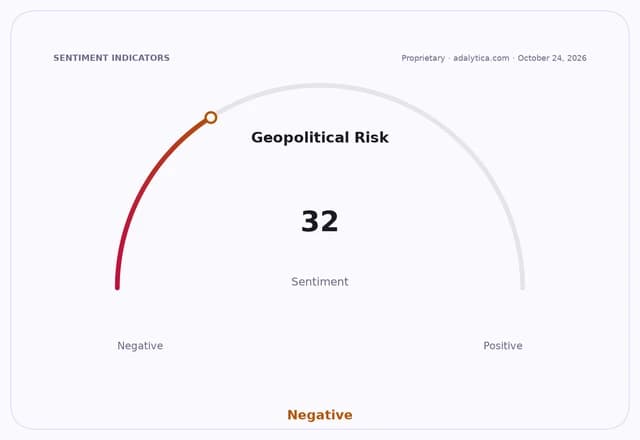
Sentiment IndicatorsⓘProprietary · adalytica.com · October 24, 2026
This is a snapshot — live sentiment, awareness and momentum for 130+ markets update continuously in the dashboard.Open AlphaPulse
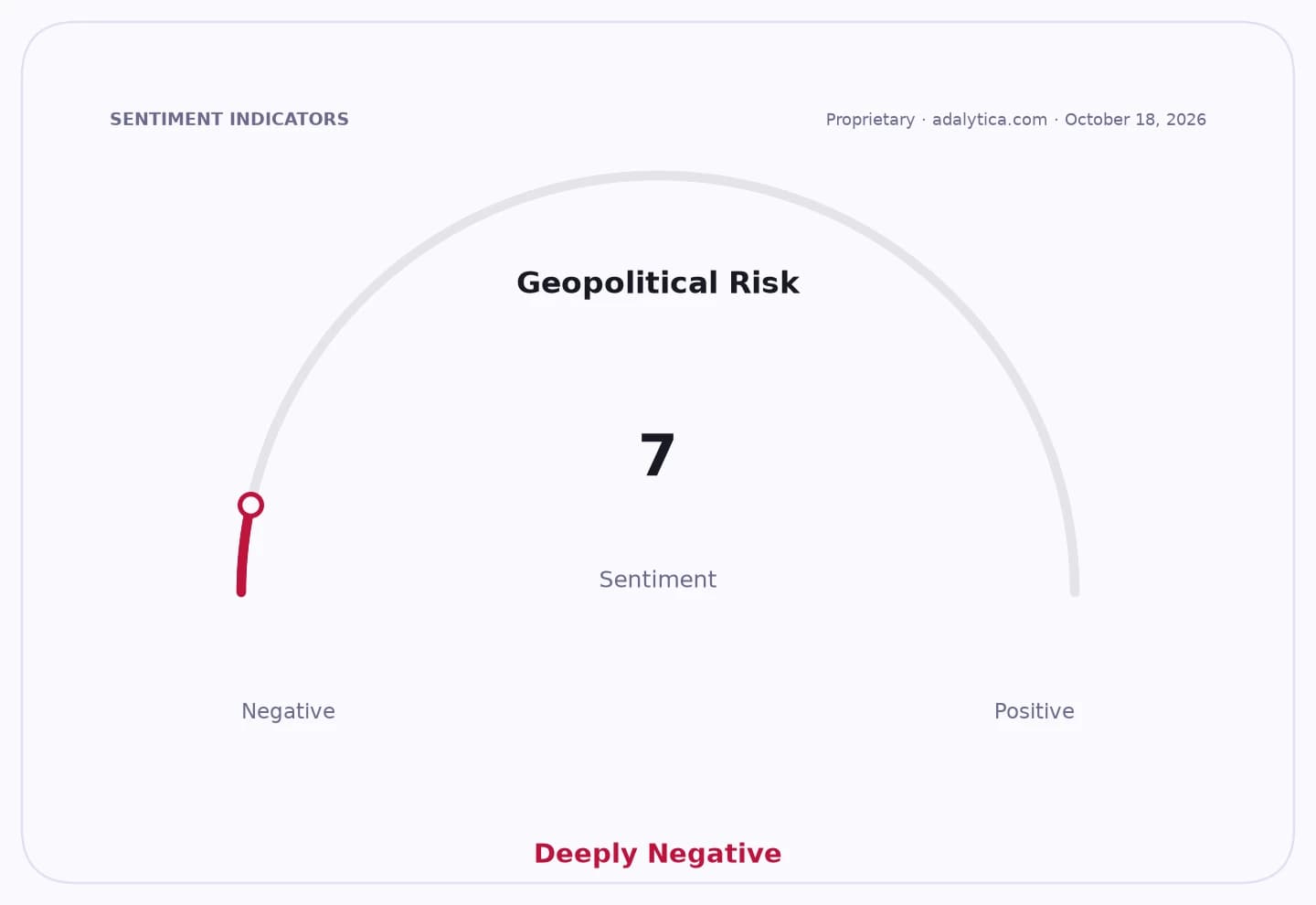
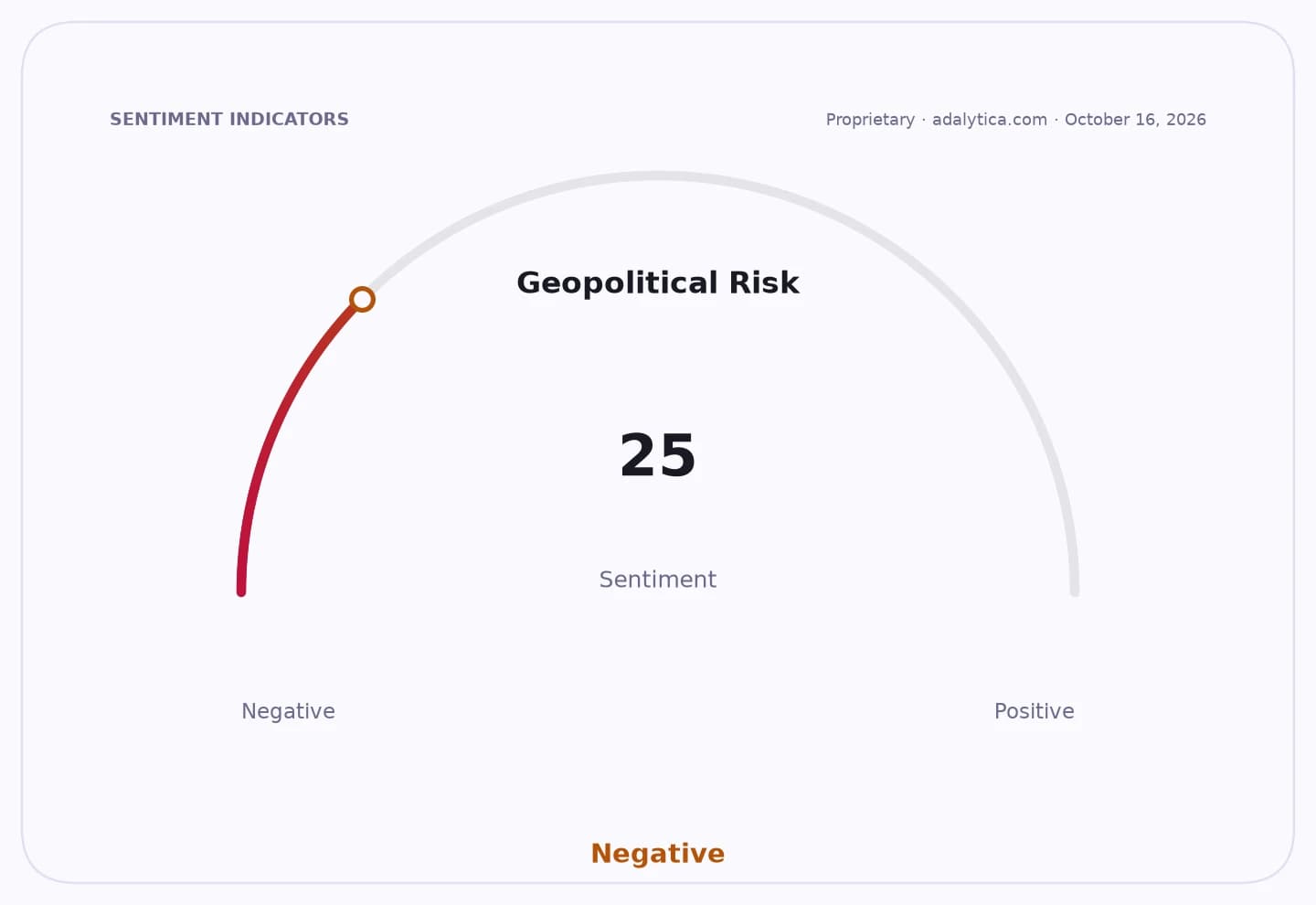
For investors, the significance is straightforward: every escalation raises the floor under geopolitical risk premia in crude, refined products and defense spending, even when the market’s first reaction is muted. Ukraine’s energy system remains a strategic target because outages disrupt industrial activity, strain public finances and force emergency repair spending, all while pushing Europe to stay alert to any spillover into fuel supply, shipping and sanctions enforcement.
That matters because oil has already been trading with a heavy geopolitical overlay, and the market is vulnerable to sudden repricing if attacks intensify or the conflict widens. West Texas-focused exposure has stayed bid relative to calmer risk assets, while gold has retained its haven appeal even as broader fear gauges have eased. The setup argues for staying positioned in energy and defense beneficiaries rather than fading headline-driven spikes.
Geopolitical Risk — 30-day sentimentadalytica.com
Explore this data interactively — full history, time series and cross-market comparisons.Open AlphaPulse
The broader investment thesis is that war risk in Eastern Europe is no longer a one-off headline trade; it is becoming a persistent input into commodity pricing, European security budgets and the capital allocation of global energy producers and refiners. If the attacks continue to target power infrastructure, the market will keep paying for resilience, redundancy and hard assets.
For now, the actionable takeaway is to treat Ukraine escalation as a continuing tailwind for oil, gold and defense names, not a temporary shock that can be ignored.
| Entity | Gains | Losses |
|---|---|---|
| Oil producers and refiners | ▲Higher risk premium | ▼Margin pressure if volatility fades |
| Gold and haven assets | ▲Safe-haven demand | ▼Less appeal if tensions ease |
| Defense contractors | ▲More security spending | ▼Slower spending only if ceasefire gains traction |
| Ukrainian power grid and civilians | ▲Emergency repair funding | ▼Blackouts and infrastructure damage |