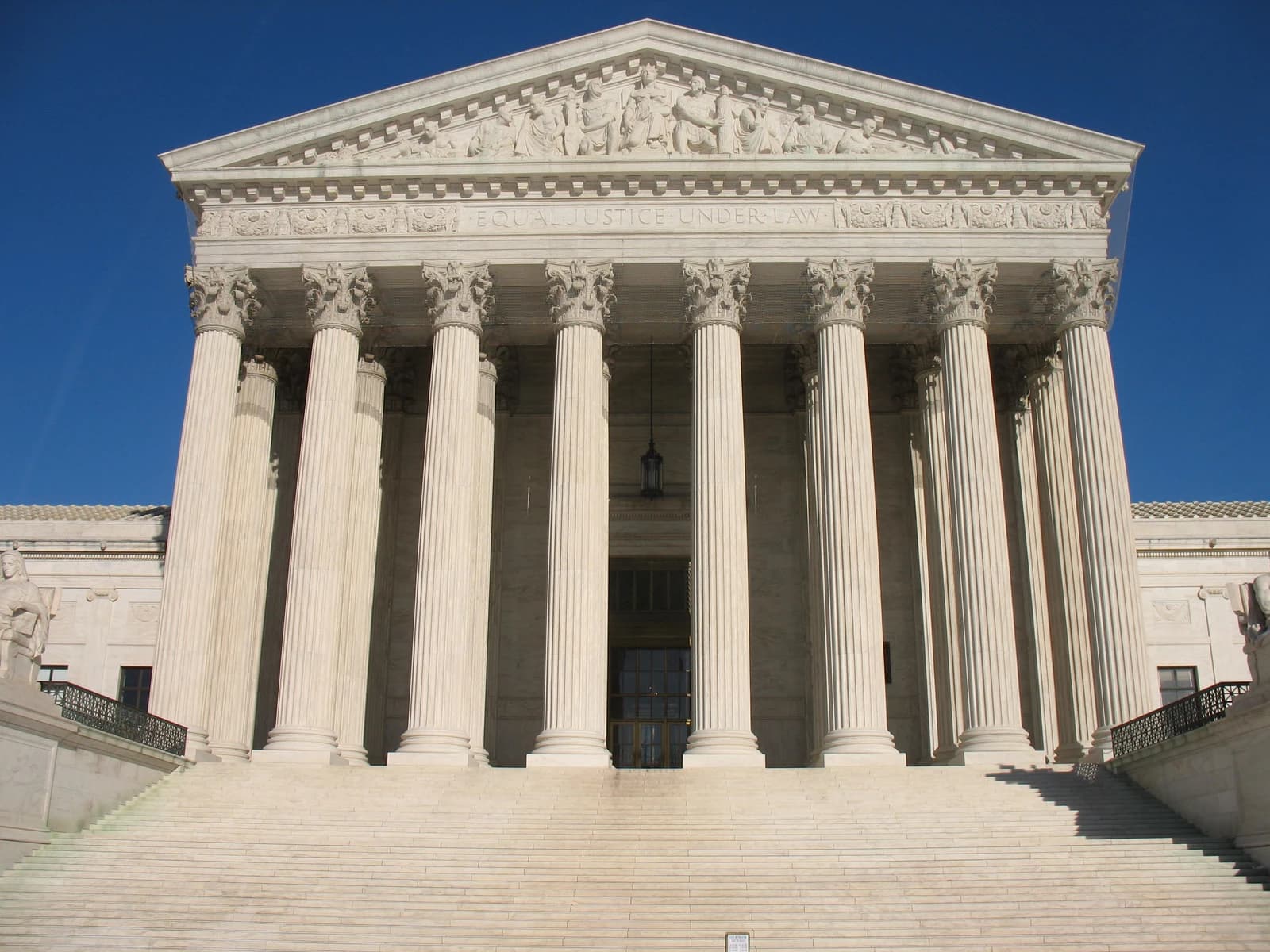
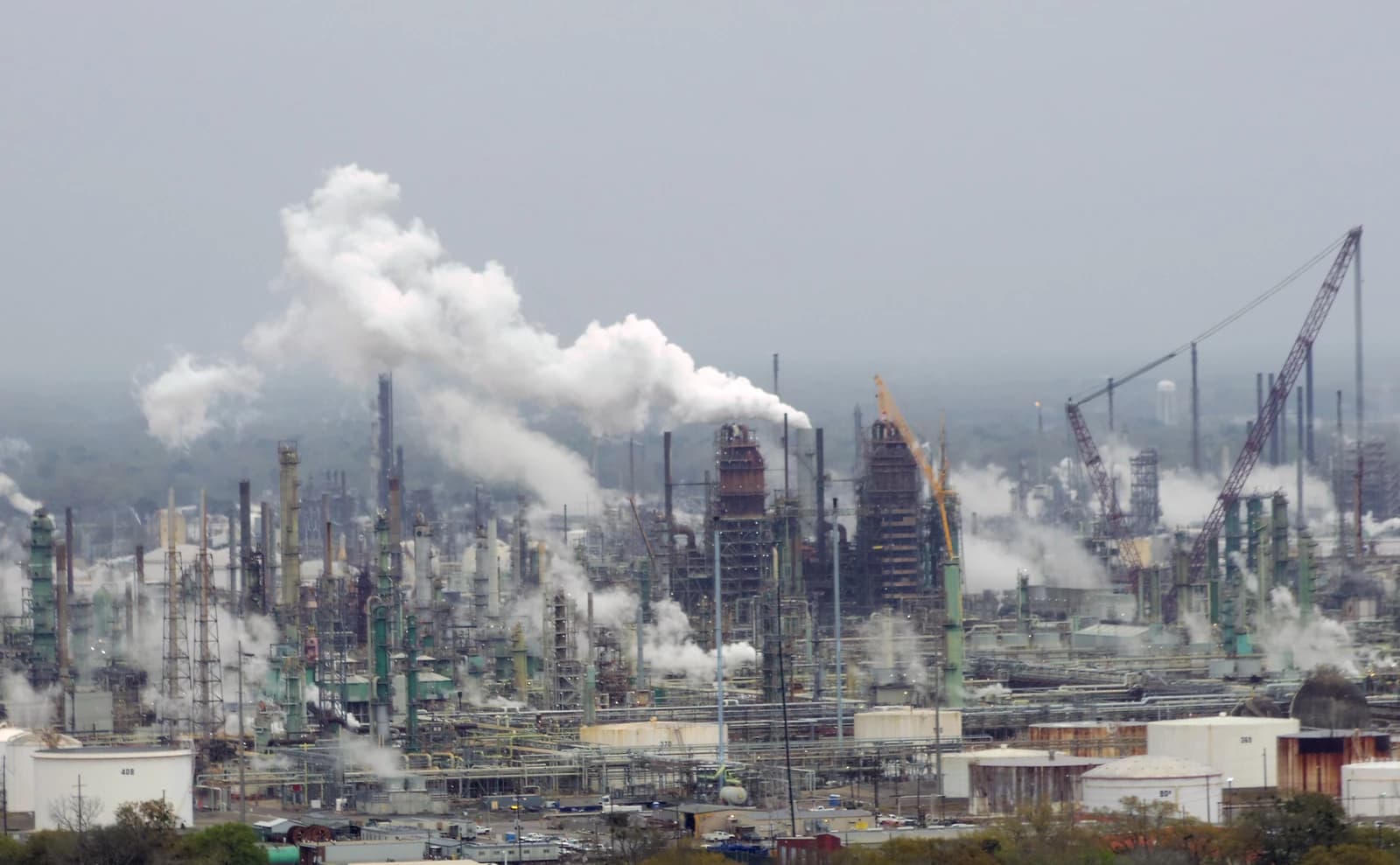
The U.S. Supreme Court is considering whether oil companies can be hauled into state courts over climate damages, a decision that could determine the fate of dozens of lawsuits seeking billions of dollars from Exxon Mobil, Suncor Energy and other fossil-fuel producers.
Exxon Mobil Climate Lawsuit Before Supreme Court

That matters because the Boulder County case has become a test of whether local governments can use consumer-protection and nuisance laws to push climate liability onto producers for floods, wildfires, ozone and other costly fallout from a warming planet. If the justices side with the companies, the ruling could sharply narrow a litigation wave that industry says now includes nearly 60 cases and threatens to create a patchwork of state-by-state energy standards. If Boulder wins, the door stays open to potentially large and costly judgments that could embolden more municipalities, states and tribal governments to sue.
Sentiment IndicatorsⓘProprietary · adalytica.com · October 12, 2026
This is a snapshot — live sentiment, awareness and momentum for 130+ markets update continuously in the dashboard.Open AlphaPulse
The economic stakes are not abstract. Boulder says it has already suffered hundreds of millions of dollars in losses tied to climate-driven disasters. Exxon’s lawyers told the court the claims seek “billions of dollars” in damages and could influence energy policy through the courts rather than regulators. The Trump administration backed the companies, arguing Boulder’s case would interfere with Washington’s exclusive role in foreign affairs and climate regulation. With Justice Samuel Alito recused, eight justices heard arguments on whether the federal Clean Air Act preempts the Colorado claims and whether the high court can review the case now.
For investors, the ruling is about liability, balance-sheet risk and the market’s discount on fossil-fuel cash flows. Oil majors have already shown they can produce enormous free cash flow when crude is firm, and Exxon Mobil shares have rallied hard alongside a stronger energy tape. But the legal overhang remains a valuation issue: the bigger the threat of uncapped climate awards, the greater the multiple compression risk for integrated producers and refiners. Suncor, which runs a refinery in Colorado, and Exxon are the direct names in the case, but the precedent could spill over to Chevron, ConocoPhillips and the broader global oil patch.
That is why this case matters beyond courtroom procedure. The justices are being asked to decide whether climate accountability belongs in state tort law or only in federal policy. The answer will shape not just the next round of litigation, but the cost of capital for an industry still central to inflation, energy security and geopolitics. In a market already wrestling with tight crude supply and elevated oil prices, any ruling that reduces litigation risk would be a quiet but important win for the sector.
Our thesis is simple: the market underestimates how valuable legal clarity could be for oil stocks. If the court limits these suits, it removes a persistent headline risk and supports a cleaner rerating for the best-capitalized producers. If it does not, investors should expect climate liability to stay embedded in the sector’s discount rate.
| Entity | Gains | Losses |
|---|---|---|
| Exxon Mobil | ▲Liability relief | ▼Climate plaintiffs |
| Suncor Energy | ▲Preemption win | ▼Local governments |
| Oil sector | ▲Lower legal overhang | ▼State-by-state litigation |
| Boulder County and peers | ▲None | ▼Narrower path to damages |