A fresh reminder from Romania’s legal framework is that a private landowner who discovers oil or gas beneath their property does not automatically get a cut of the production — and that distinction matters because it keeps subsurface resources in state hands while preserving only a compensation claim for surface disruption.
Romania landowners have no oil or gas production share
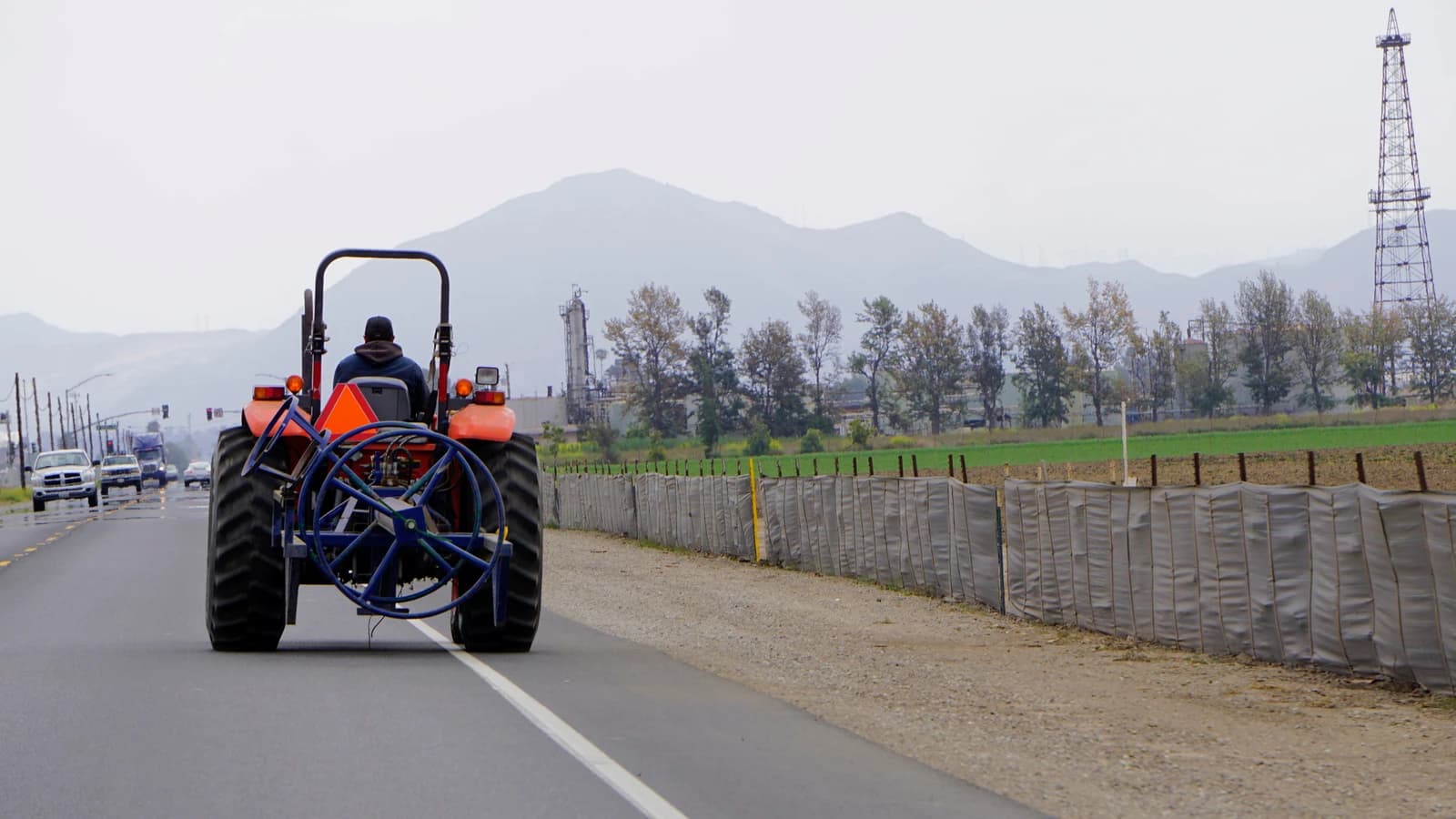
That may sound like a narrow property-law point, but it is economically important in a capital-intensive sector where access to land can make or break upstream and midstream projects. The core message is simple: in Romania, oil, gas and other mineral wealth in the subsoil belong to the state, while the landowner’s leverage is limited to negotiated payments, damages and, in some cases, expropriation compensation.
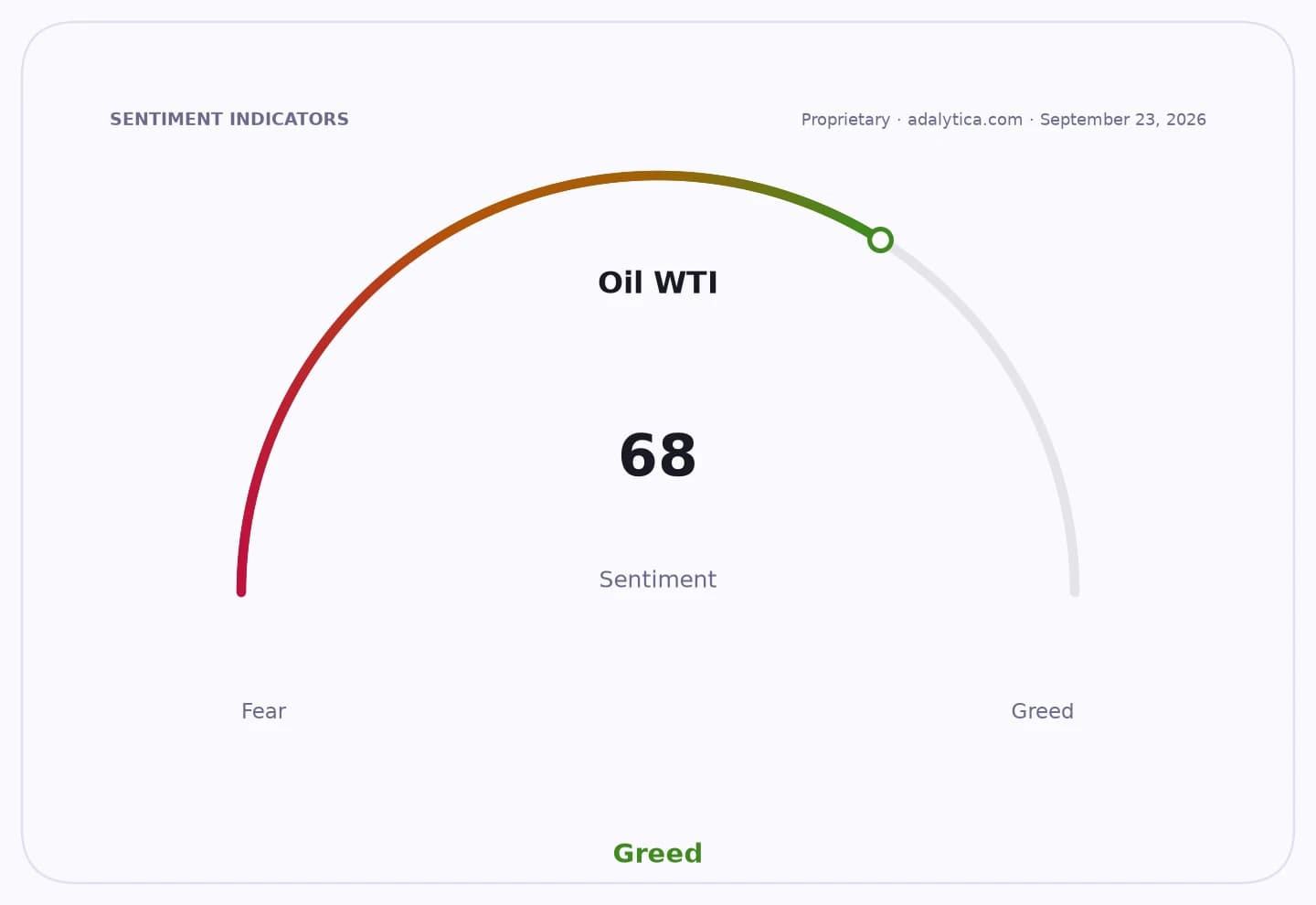
Sentiment IndicatorsⓘProprietary · adalytica.com · October 13, 2026
This is a snapshot — live sentiment, awareness and momentum for 130+ markets update continuously in the dashboard.Open AlphaPulse
For investors, that legal architecture reduces a major source of uncertainty. Energy companies need clarity on whether they will be forced into revenue-sharing arrangements with every affected landowner or instead face more predictable costs tied to access, temporary occupation and remediation. The Romanian model, as described by lawyer Bogdan Pițigoi, favors the latter. Companies holding petroleum agreements can seek servitudes, negotiate access, and if necessary ask a court to authorize works. That lowers the risk of project-stopping claims over a share of extracted hydrocarbons and makes land acquisition more like an infrastructure cost than a production-royalty problem.
The practical economics are also straightforward. A landowner may receive a periodic rent or indemnity for restricted use of the site, plus separate compensation for crops, structures or other damage caused during drilling or production. If the resource find is large enough to require permanent occupation, the property can be purchased or expropriated, with the owner entitled to just and prior compensation based on market value. In other words, the upside from the reservoir stays with the state and the operator; the private owner is paid for disruption, not for the barrels or cubic meters underground.
That matters now because energy markets are still rewarding supply security, and operators need smoother permitting and faster access to land to convert geology into cash flow. Brent crude remains near the mid-$90s a barrel range, U.S. gasoline prices are around $4.35 a gallon, and trade signals tracked by Adalytica.com show extreme greed in WTI-linked oil exposure. In that kind of price environment, every day lost to land disputes eats into project economics. The more predictable the access regime, the more attractive upstream capital becomes, especially for operators that can scale inventory quickly.
The listed U.S. majors most exposed to a stable land-access framework — Exxon Mobil, Chevron and ConocoPhillips — already trade like companies with durable cash-flow engines, but the bigger opportunity is in the ecosystem around them: drillers, oilfield services, pipeline builders and remediation contractors that benefit when projects move without legal deadlock. Exxon Mobil has recently pushed above its 50-day and 200-day moving averages, while Chevron and ConocoPhillips have also held firm above both long-term trend lines, reflecting how the market is still pricing in resilient upstream economics rather than regulatory paralysis.
Romania’s legal clarity also has a broader regional implication. Central and Eastern Europe remains dependent on imported energy, and governments are trying to balance local acceptance with the need for domestic development. A system that compensates landowners without giving them a perpetual share of subsurface resources is pro-investment, provided the compensation rules are transparent and disputes are resolved quickly. That is exactly the kind of framework that can unlock drilling, pipelines and supporting infrastructure.
The investment takeaway is that land-rights disputes are often a hidden tax on energy growth, and jurisdictions that cap that risk deserve a valuation premium. I believe the market underestimates how much project bottlenecks matter in a world of tight supply and expensive capital. For investors, the winners are the operators and service providers that can turn legal certainty into faster development; the losers are landowners expecting a royalty-style payoff from beneath their fields.
| Entity | Gains | Losses |
|---|---|---|
| Energy operators | ▲Predictable access costs | ▼Royalty-style claims |
| Private landowners | ▲Compensation for damage | ▼Share of production |
| Oilfield services | ▲More project activity | ▼Less legal delay leverage |
| State of Romania | ▲Control of subsurface resources | ▼Less direct local sharing |