Exxon Mobil is moving from carbon-capture rhetoric to a permitted, large-scale storage project in Texas that could permanently lock away about 53 million tons of carbon dioxide over 13 years, a milestone that gives the oil major a clearer path to monetize its low-carbon strategy while potentially easing regulatory and reputational pressure.
Exxon gets Texas approval for Rose carbon storage

The Rose project, which Exxon says will require more than $5 billion of investment, is designed to transport industrial emissions through about 900 miles of pipeline to three injection wells. For Exxon, the approval matters because carbon capture and storage is one of the few emissions-reduction businesses that can still fit inside a fossil-fuel producer’s existing industrial footprint and generate long-duration infrastructure revenue.
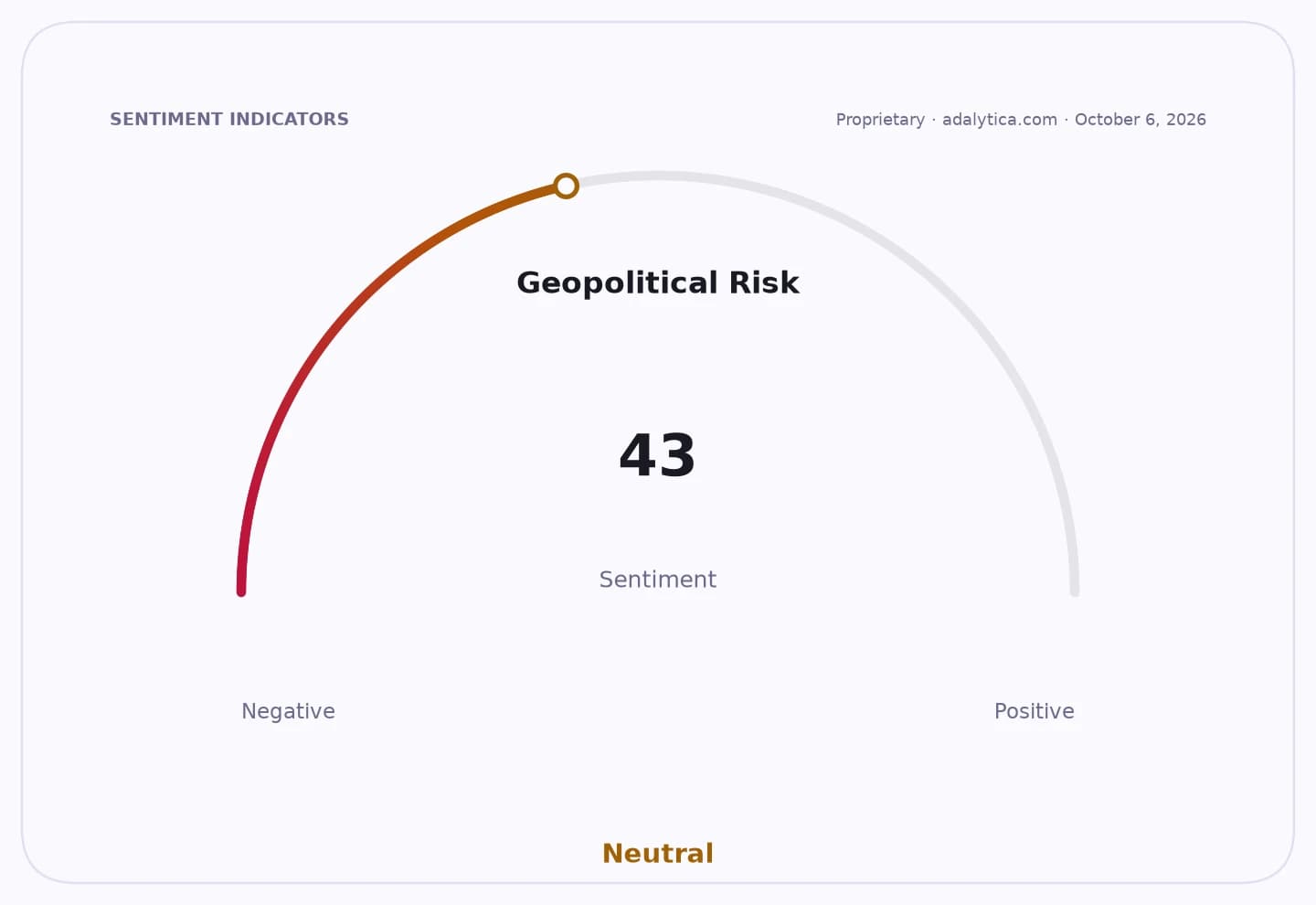
Sentiment IndicatorsⓘProprietary · adalytica.com · October 7, 2026
This is a snapshot — live sentiment, awareness and momentum for 130+ markets update continuously in the dashboard.Open AlphaPulse
The project also signals that Exxon is still pressing ahead with its broader transition portfolio even as it keeps pouring capital into its core oil and gas business. The company has said in SEC filings that carbon capture, lower-emission fuels, hydrogen and other technologies remain part of its long-term plan, though it has also warned that current policy and technology trends are not yet enough to reach net zero by 2050.
Investors are likely to see the Texas approval as a more tangible step than many of the industry’s climate pledges, because it converts a strategy into a permitted asset with a defined scale, investment size and operating timeline. That can support the stock by strengthening Exxon’s optionality with policymakers, industrial customers and potential partners, even if near-term earnings still depend far more on oil and gas prices.
The move comes as Exxon separately presses ahead with integration of Pioneer Natural Resources, offering about $1.18 billion of Pioneer bonds for repurchase to reduce debt and interest costs after the takeover. Exxon shares were changing hands around $164.48 on Tuesday, leaving the stock near the top of a recent range and close to its 50-day moving average, while the broader oil backdrop remains mixed.
For Exxon, the next catalyst is execution: capital deployment on Rose, bond buybacks tied to Pioneer, and the October 30 quarterly report, which will show whether the company can keep funding its expansion in low-carbon infrastructure without sacrificing returns from its core upstream business.
| Entity | Gains | Losses |
|---|---|---|
| Exxon Mobil | ▲CCS scale and policy credibility | ▼Near-term capital flexibility |
| Texas regulators | ▲Industrial investment and jobs | ▼None obvious |
| Industrial emitters | ▲Future outlet for CO2 waste | ▼Higher compliance costs |
| Oil-and-gas competitors | ▲Industry validation if successful | ▼Pressure to match CCS spend |