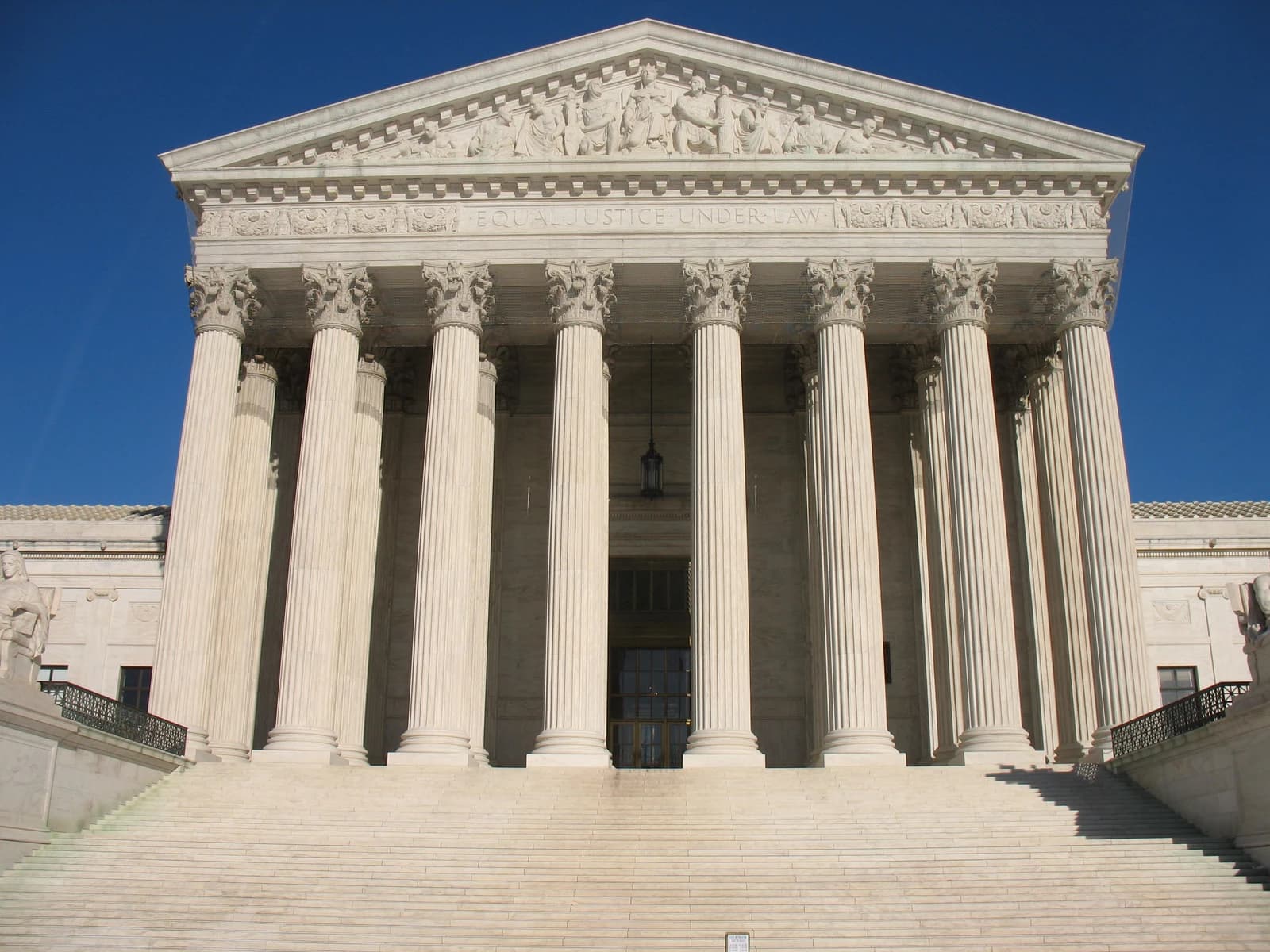
The U.S. Supreme Court’s decision to hear Exxon Mobil and Suncor Energy’s bid to kill a Colorado climate lawsuit could determine whether oil companies face a new wave of potentially billions of dollars in state and local damages claims.
Exxon, Suncor Supreme Court Climate Case
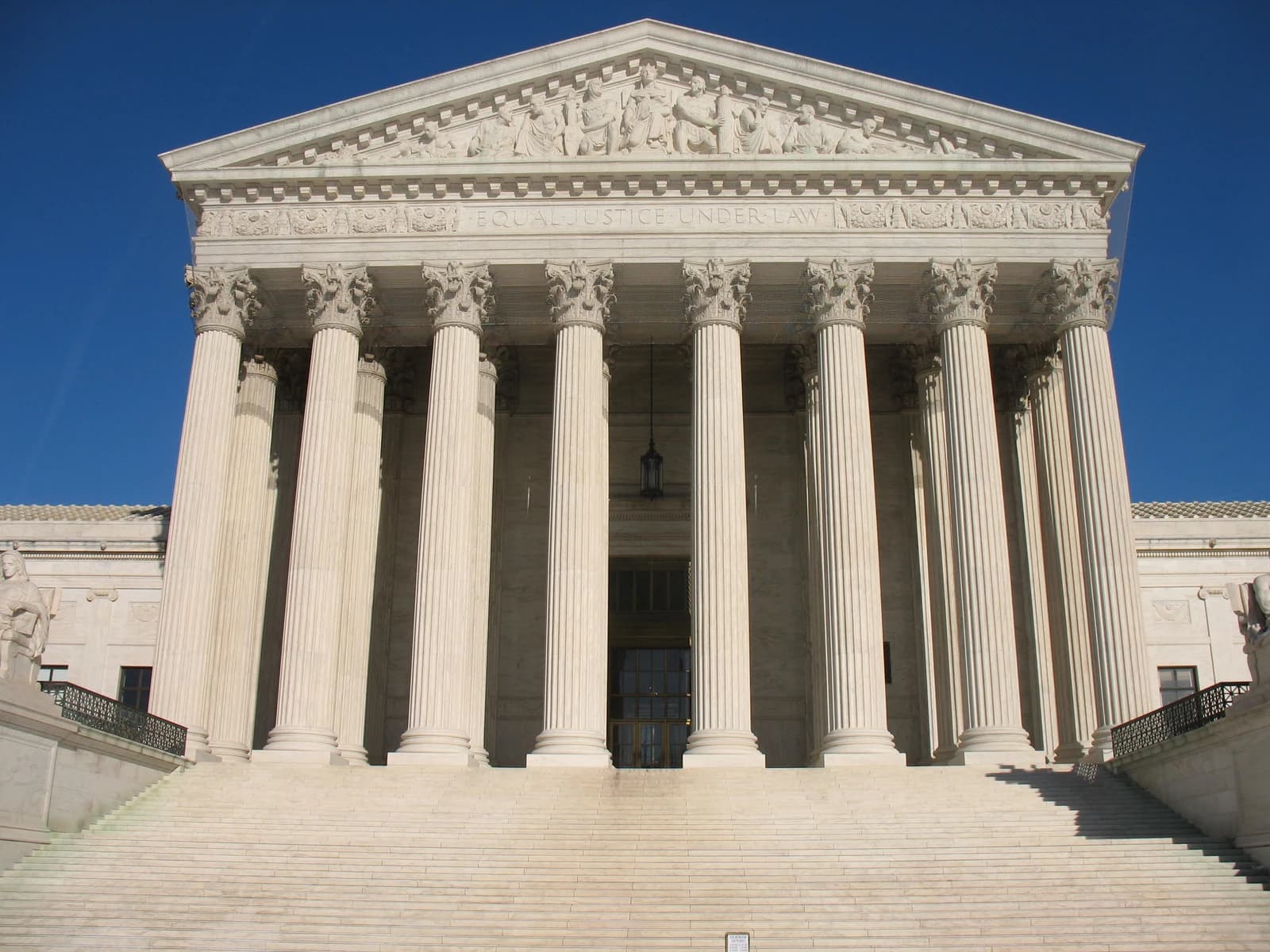
That matters because this is no longer just a legal fight in Boulder. It is a test of whether cities and counties can use state-law nuisance and consumer-protection theories to push climate costs onto fossil fuel producers for infrastructure repairs, emergency spending, public health and environmental damage. If the justices side with Exxon and Suncor, a large share of the nearly 60 similar cases already filed could be cut off before they ever reach a jury, removing a major overhang from the sector and weakening one of the few remaining legal avenues for climate accountability.
Sentiment IndicatorsⓘProprietary · adalytica.com · October 6, 2026
This is a snapshot — live sentiment, awareness and momentum for 130+ markets update continuously in the dashboard.Open AlphaPulse

The companies argue Boulder is trying to regulate global conduct through state courts, and the Trump administration has backed that view, saying interstate air pollution is an inherently federal issue preempted by the Clean Air Act. That framing matters for investors because it goes straight to the question of whether climate liability becomes a balance-sheet problem or stays a manageable litigation risk. For integrated majors such as Exxon and Chevron, and for pure-play producers such as ConocoPhillips, an adverse ruling would preserve legal uncertainty around potential damages, disclosures and insurance costs. A favorable ruling would likely reinforce a long-running pattern in which the industry wins narrow but consequential fights over the reach of federal environmental law.
The market has already rewarded the energy complex for stronger cash generation and tighter capital discipline, but legal risk is a different kind of catalyst. It can re-rate sentiment quickly, especially when the potential liability runs into the billions and the precedent could affect dozens of cases across the country. Exxon’s stock has held well above its 50-day and 200-day moving averages, while Chevron and ConocoPhillips have also stayed technically constructive, showing that investors are still paying for earnings power rather than litigation fear. But if the court narrows or shuts the door on local climate suits, it removes a latent discount that has been hanging over the group for years.
There is also a broader policy implication. A ruling for the oil companies would strengthen the federal government’s hand over air-pollution and climate claims, limiting state experimentation at a moment when energy security, geopolitics and inflation still keep oil and gas politically relevant. With the court’s conservative majority and a history of favoring energy-sector arguments in environmental disputes, the case has become an important front in the fight over who pays for the cost of climate change.
For investors, the asymmetric trade is clear: a win for Exxon and its peers is a de-risking event for the entire U.S. energy sector, while a loss would revive the possibility of sprawling liability litigation. The next catalyst is the court’s ruling by the end of June, and that makes large-cap oil names worth owning into the decision rather than after it.
| Entity | Gains | Losses |
|---|---|---|
| Exxon Mobil, Suncor | ▲Reduced liability risk | ▼Climate damages exposure |
| Chevron, ConocoPhillips | ▲Precedent limiting suits | ▼Litigation overhang |
| Boulder, other local governments | ▲Ability to pursue damages | ▼Leverage if suit is curtailed |