Moldovan drivers will pay less for fuel on Wednesday as the country’s regulator extends a sharp downturn in retail gasoline and diesel prices, a move that eases household transport costs but also reflects weaker international oil-product benchmarks.
Moldova cuts gasoline and diesel prices again
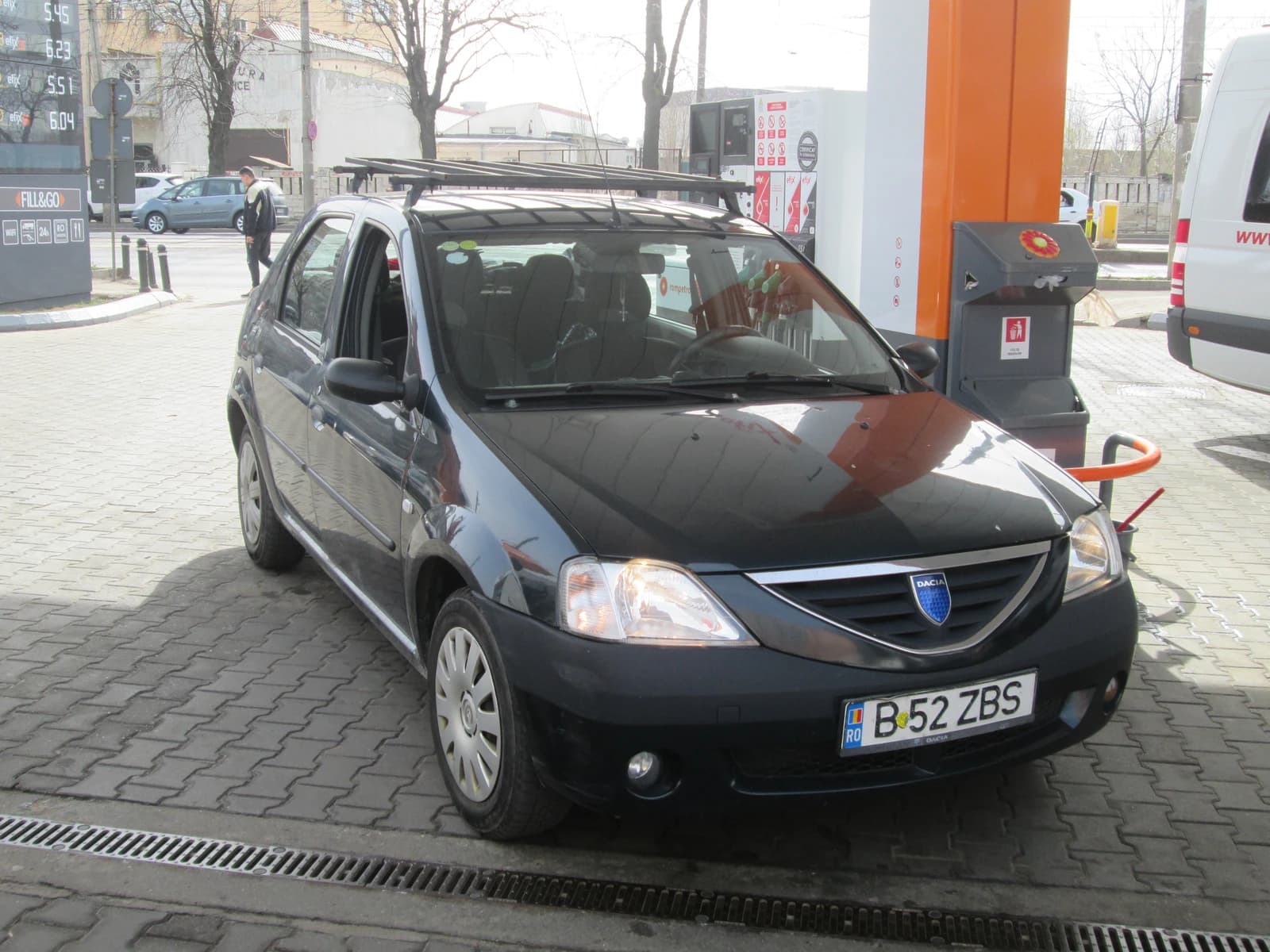
The National Energy Regulatory Agency, or ANRE, set the maximum retail price of gasoline at 28.29 lei per liter, down 20 bani, and diesel at 33.72 lei, down 19 bani. The latest cut comes after a week in which the ceiling for COR 95 gasoline fell 1.72 lei per liter, slipping below 29 lei, while standard diesel dropped 1.59 lei.
Sentiment Indicators
The cumulative decline since the end of September is even more significant: gasoline is down 5.55 lei per liter and diesel 2.70 lei. ANRE said the domestic price retreat is being driven by lower international Platts quotations for petroleum products, underscoring how quickly imported fuel costs are feeding through to a small, price-sensitive market.
The move matters economically because fuel remains a direct input into consumer inflation, freight costs and agricultural logistics. Cheaper gasoline and diesel can soften near-term pressure on household budgets and transport businesses, while also filtering into broader price expectations if the trend persists.
For investors, the drop is a reminder that downstream margins can swing quickly with product prices and regional supply conditions. Refiners and fuel retailers exposed to crack spreads may see revenue pressure if retail prices keep falling faster than feedstock costs, even as lower pump prices can support demand.
The backdrop is a softer oil complex, with benchmark crude trading below recent highs and broader energy sentiment cooling after earlier geopolitical spikes. If international product prices keep easing, ANRE is likely to extend the decline; if refinery outages or supply disruptions return, the relief at the pump could prove temporary.
| Entity | Gains | Losses |
|---|---|---|
| Moldovan motorists | ▲Lower fuel bills | ▼None |
| Transport and logistics firms | ▲Reduced operating costs | ▼Fuel retailers’ margins |
| Consumers/inflation | ▲Easier price pressures | ▼Inflation decelerates slower if energy rebounds |
| Fuel sellers/refiners | ▲Higher demand potential | ▼Lower retail margins |