The United States has pushed its Strategic Petroleum Reserve to a four-decade low, and the path back to a fuller stockpile is being blocked by high crude prices, tight diesel markets and political friction in Washington.
US Strategic Petroleum Reserve Falls to 40-Year Low
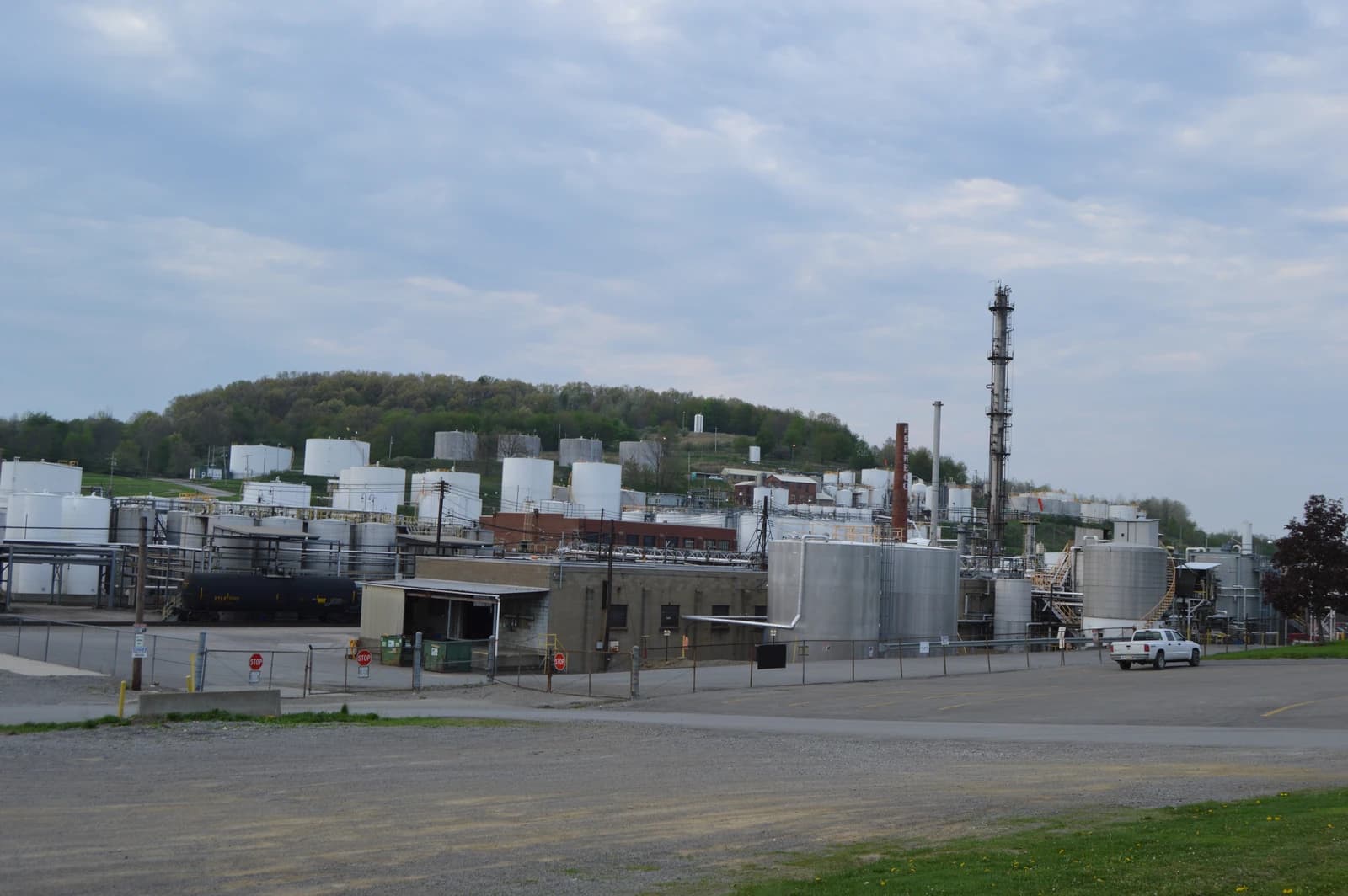
By mid-November, the reserve had shrunk to 276.4 million barrels, the smallest since October 1982, according to US Energy Department data. That leaves Washington with less cushion to blunt supply shocks from the Middle East or other disruptions at a time when global energy markets remain volatile and refinery bottlenecks are keeping pressure on fuel prices.
Sentiment Indicators
The problem is not a lack of oil in the US. Domestic production remains ample, but rebuilding the reserve requires buying crude back into a market that is still expensive by historical standards and vulnerable to geopolitical flare-ups. That makes replenishment costly for the government and raises the likelihood that any restocking will be slow, staged and politically contested.
Under current rules, the government can refill the reserve more easily when crude is below a set threshold; above that, it needs congressional approval, adding another layer of delay. With WTI crude recently trading in the high $80s to around $90 a barrel and forecast to remain elevated, the economics of a rapid refill look poor. The benchmark’s recent slide has not been enough to create a durable buying window.
For investors, the reserve’s depletion matters because it removes a backstop that has helped cap oil spikes in past crises. That can keep a floor under crude prices and support margins for producers, while also prolonging pressure on refiners and fuel consumers if supply shocks hit again. It also means fewer policy tools if diesel shortages worsen, a risk that could ripple through transportation, manufacturing and agriculture.
The market has already been pricing in that tension. USO, the oil ETF, remains well above its long-term moving averages even after a sharp pullback, while XLE and XOP have given back some of their recent gains but still reflect a sector that has benefited from tight supply and strong downstream earnings. Chevron’s latest filing pointed to stronger US downstream margins, underscoring how refining constraints can offset softer crude demand.
The IEA’s plan to accelerate emergency releases through February 2027, aimed at adding about 71 million barrels of crude and refined products to the market, suggests that official stockpiles will remain an active tool rather than a passive buffer. But that also highlights the central trade-off: governments are leaning on reserves to steady energy markets even as the reserves themselves are being drawn down faster than they can be rebuilt.
For now, the reserve’s record low is less a temporary accounting point than a warning that energy security has become more expensive to defend. Unless crude prices soften materially or Congress is willing to authorize purchases at current levels, the road back to a healthier stockpile looks long.
| Entity | Gains | Losses |
|---|---|---|
| US crude producers | ▲Higher price support | ▼Less policy backstop |
| Refiners | ▲Stronger product margins | ▼Tighter feedstock market |
| US consumers | ▲More eventual supply security | ▼Higher fuel price risk now |
| US government | ▲Strategic flexibility if rebuilt | ▼Budget cost and political friction |