OPEC+ is set to recalculate oil production quotas on a new basis after completing an independent audit of each member’s maximum sustainable output, a change that could shift future barrels toward countries whose technical capacity has been judged higher than their current allocation.
OPEC+ to reset quotas after capacity audit

The alliance said the review, which used outside experts DeGolyer and MacNaughton and Shri Chandra Energy & Data Processing, is the first time members’ sustainable production capacity has been determined through a single external and objective process. The findings will form the baseline for quota talks for 2027, with OPEC+ due to discuss the results at a full meeting on Nov. 29.
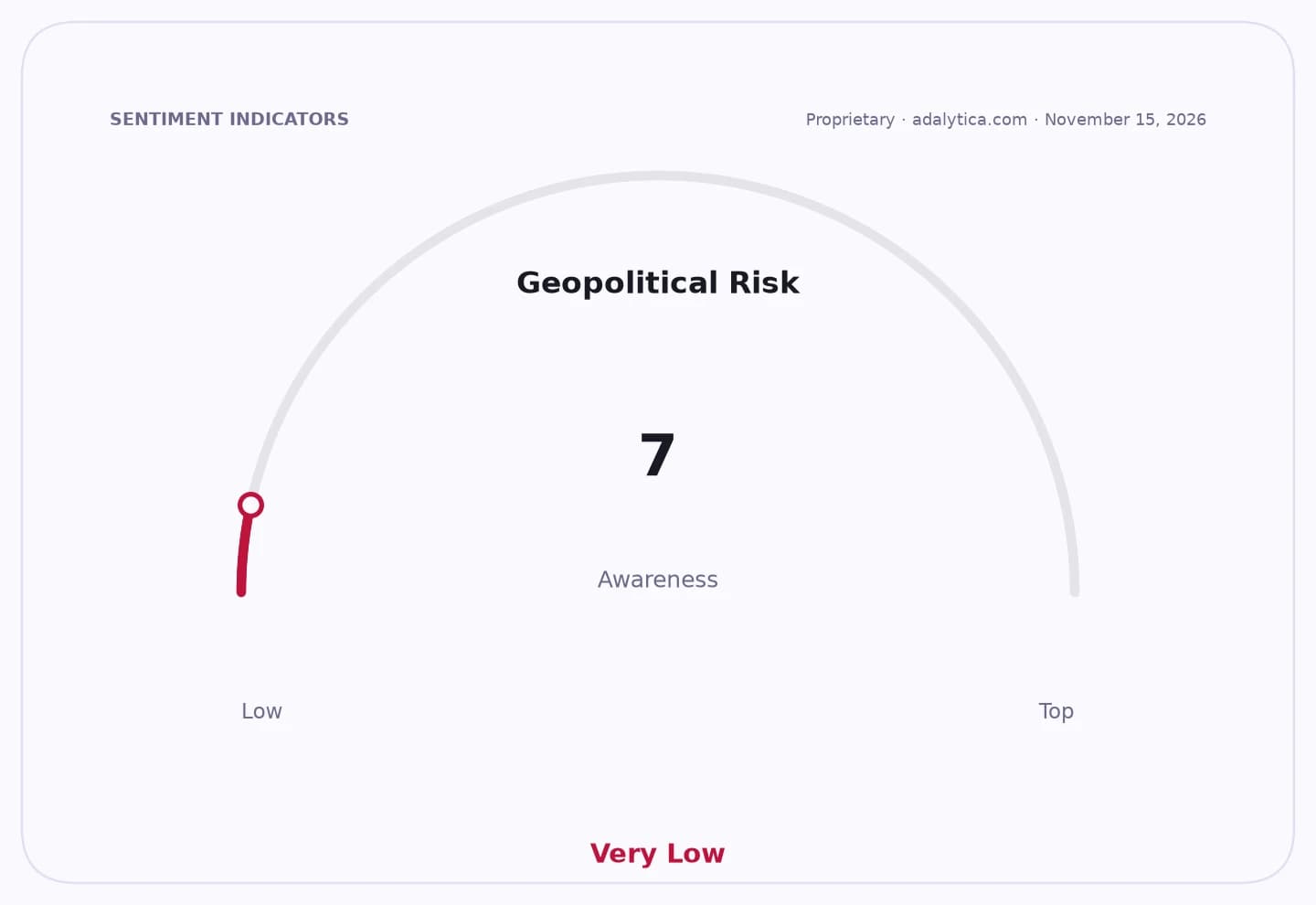
Sentiment Indicators
The move matters because quotas determine how much crude each producer is allowed to pump, shaping export revenue, investment plans and each country’s leverage inside the cartel. For members that have argued their current baselines understate real capacity, the new methodology could translate into larger future allowances; for others, it raises the risk of losing ground if their technical capability is judged lower.
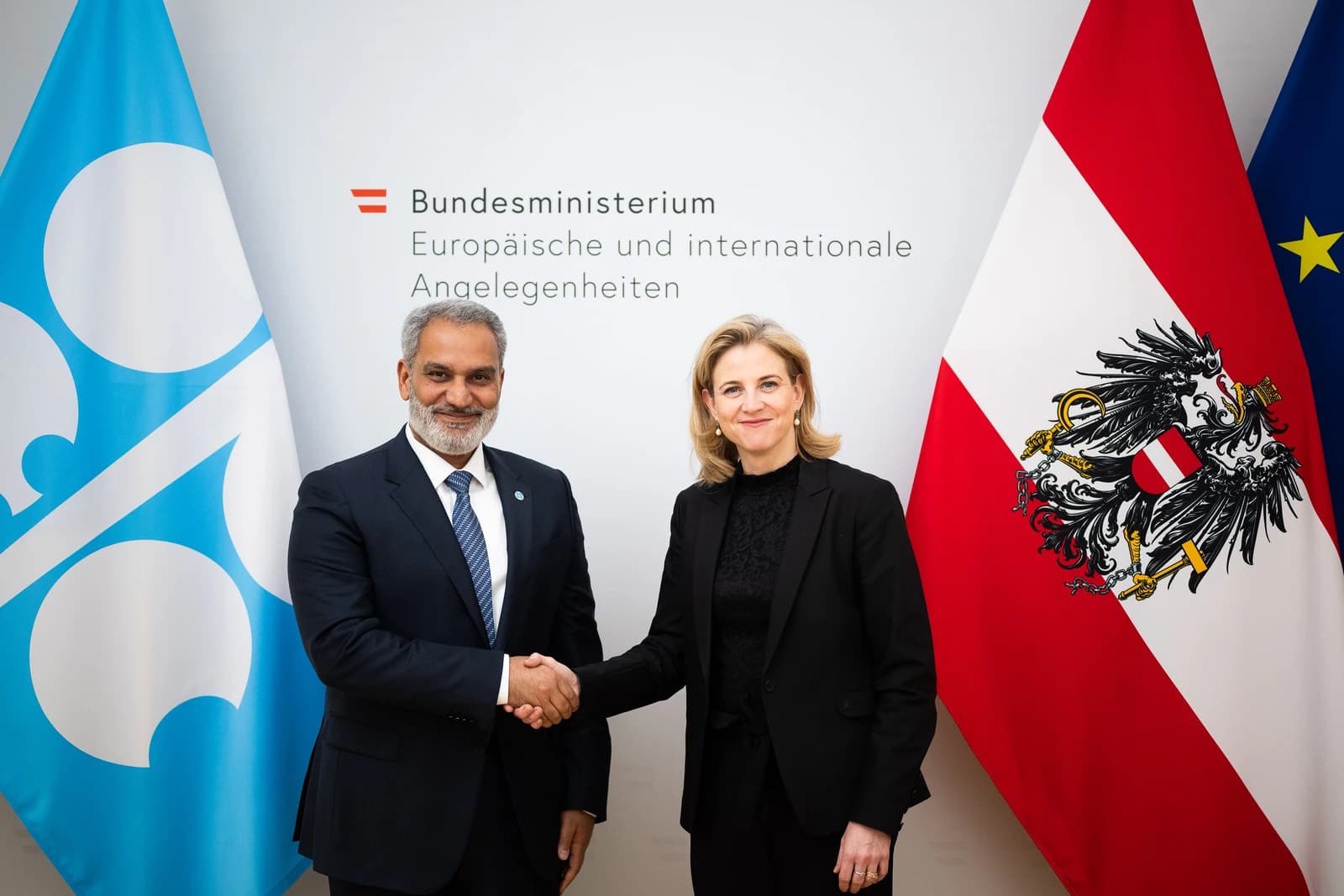
OPEC Secretary-General Haitham Al Ghais called the exercise a “historic milestone” and said it should improve transparency, consistency and trust in the quota system. That is especially important after repeated disputes among members over whether official limits match actual production potential, a perennial source of tension inside the group.
Oil WTI
The change does not automatically mean higher output for any one country. OPEC+ still has to negotiate final quotas collectively, and the alliance has historically balanced capacity estimates against market management, geopolitical considerations and the need to keep members aligned.
For oil investors, the immediate impact is more about the structure of future supply than today’s barrels. Oil benchmarks have already been under pressure from excess supply, and any quota framework that unlocks more production from leading producers would reinforce expectations of looser balances into 2027, while a tougher allocation regime could help support prices.
The next catalyst is the Nov. 29 OPEC+ meeting, where members will test whether the new capacity numbers become the new rulebook for 2027 or another point of contention inside the group.
| Entity | Gains | Losses |
|---|---|---|
| Higher-capacity OPEC+ members | ▲Bigger quota claims | ▼Less-favored baseline status |
| Lower-capacity OPEC+ members | ▲More transparent process | ▼Risk of reduced allowances |
| Oil consumers | ▲Potentially more supply visibility | ▼— |
| Crude prices / oil bulls | ▲— | ▼Looser future supply outlook |