US stocks jumped hard as a sharp fall in Brent crude eased one of Wall Street’s biggest macro worries: the energy shock that had been pushing inflation, bond yields and recession fears higher.
US stocks rise as Brent crude falls
S&P 500
The Dow Jones Industrial Average surged 1,524 points, or 2.9%, while the S&P 500 rose 1.8% and the Nasdaq gained 2.1%, a broad rally that suggested investors were quickly repricing the outlook for rates, margins and consumer spending. Brent crude fell 9.2% to $94.11 a barrel, its first move below $95 in weeks, while Treasury yields eased, with the 10-year note slipping to 4.90% from 4.95%. For long-term investors, that combination matters because cheaper oil can act like a tax cut for households and a margin boost for much of corporate America.
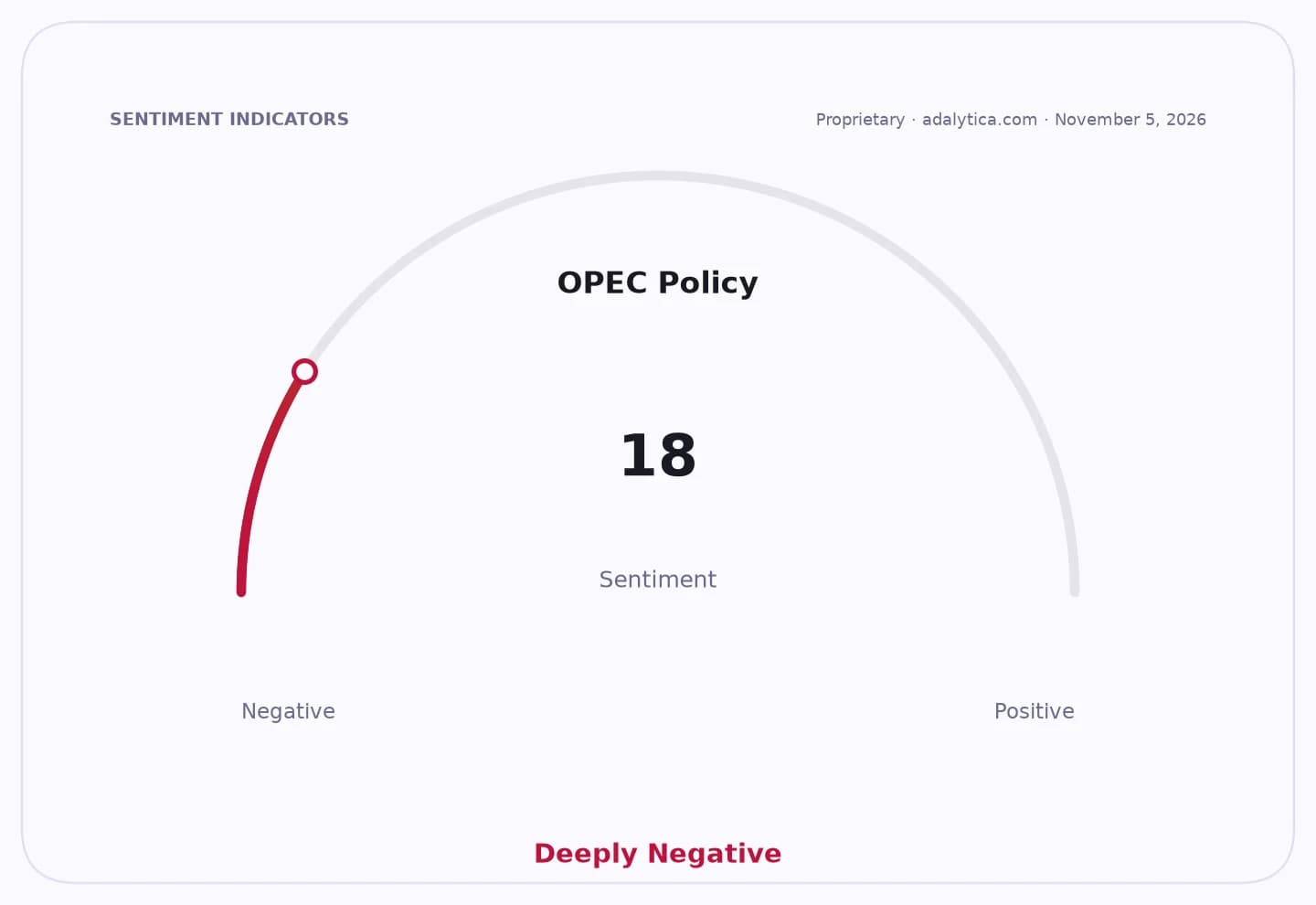
Sentiment Indicators
This is why the market response was so broad. Lower fuel costs should eventually filter through transportation, manufacturing and consumer spending, while also reducing the odds that stubborn energy prices keep the Federal Reserve under pressure. The latest move in oil also pulled the energy sector lower, with Exxon Mobil and ConocoPhillips both falling, while airlines, retailers and other fuel-sensitive businesses stood to benefit. In other words, the stock market was not just cheering lower oil — it was betting that the entire growth-and-inflation equation just got a little easier.
There was also a political layer to the move. With Democrats poised to take control of both chambers of Congress, investors are reading Washington as more likely to impose checks on spending and, potentially, on some of the most disruptive policy risks around tariffs, defense and energy. Markets generally prefer split government because it reduces the odds of sweeping policy changes. That helps explain why solar and healthcare stocks rallied, while defense names and oil producers lagged.
The deeper investment takeaway is that this kind of move can matter far beyond a single trading session. If oil stays lower, it could support real household incomes, cool inflation pressure and give higher-multiple growth stocks a better backdrop than they had when crude was surging. But investors should not confuse one day’s relief with a new permanent regime. Energy prices are still being driven by geopolitics, and the same uncertainty that lifted crude can send it higher again.
For investors, the lesson is simple: when oil falls and yields ease at the same time, it often improves the odds for a broader equity rally. That does not mean every stock wins, but it does favor diversified portfolios over concentrated bets. The best move now is to watch whether lower crude feeds into better inflation data, softer bond yields and stronger consumer spending over the next few months. If it does, this could be the kind of macro shift that helps patient investors for years, not just days.
| Entity | Gains | Losses |
|---|---|---|
| Consumers and retailers | ▲Lower gasoline and freight costs | ▼Less urgency for price hikes |
| Airlines and transport firms | ▲Cheaper jet fuel and shipping fuel | ▼Energy-price hedging pressure |
| Oil producers | ▲— | ▼Lower crude prices and margins |
| Broad stock market | ▲Easier inflation and rate outlook | ▼Less support for energy-heavy portfolios |