Hungary’s gas stations are seeing a price gap not seen since November 2022, with diesel now averaging 98 forints a liter more than petrol as refinery costs for distillate surge and gasoline prices keep easing.
Hungary diesel premium hits November 2022 high
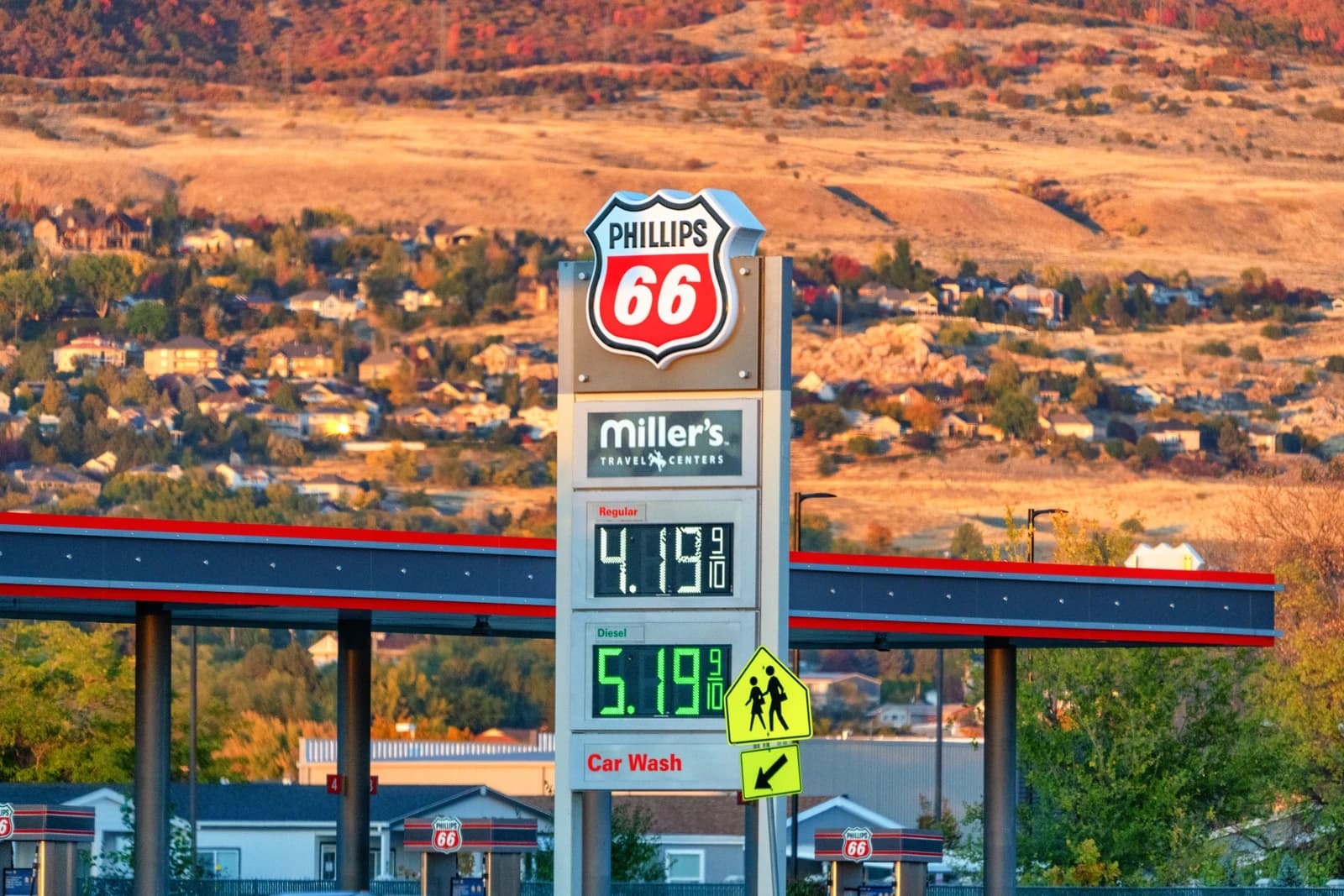
The latest national average from Holtankoljak.hu puts 95-octane petrol at 628 forints a liter, down another 5 forints from the previous day, while diesel is unchanged at 726 forints. That spread matters because it is a direct signal of tightening middle-distillate supply, the fuel category that powers trucking, agriculture and much of industry, even as the broader crude market has eased from its spring highs.
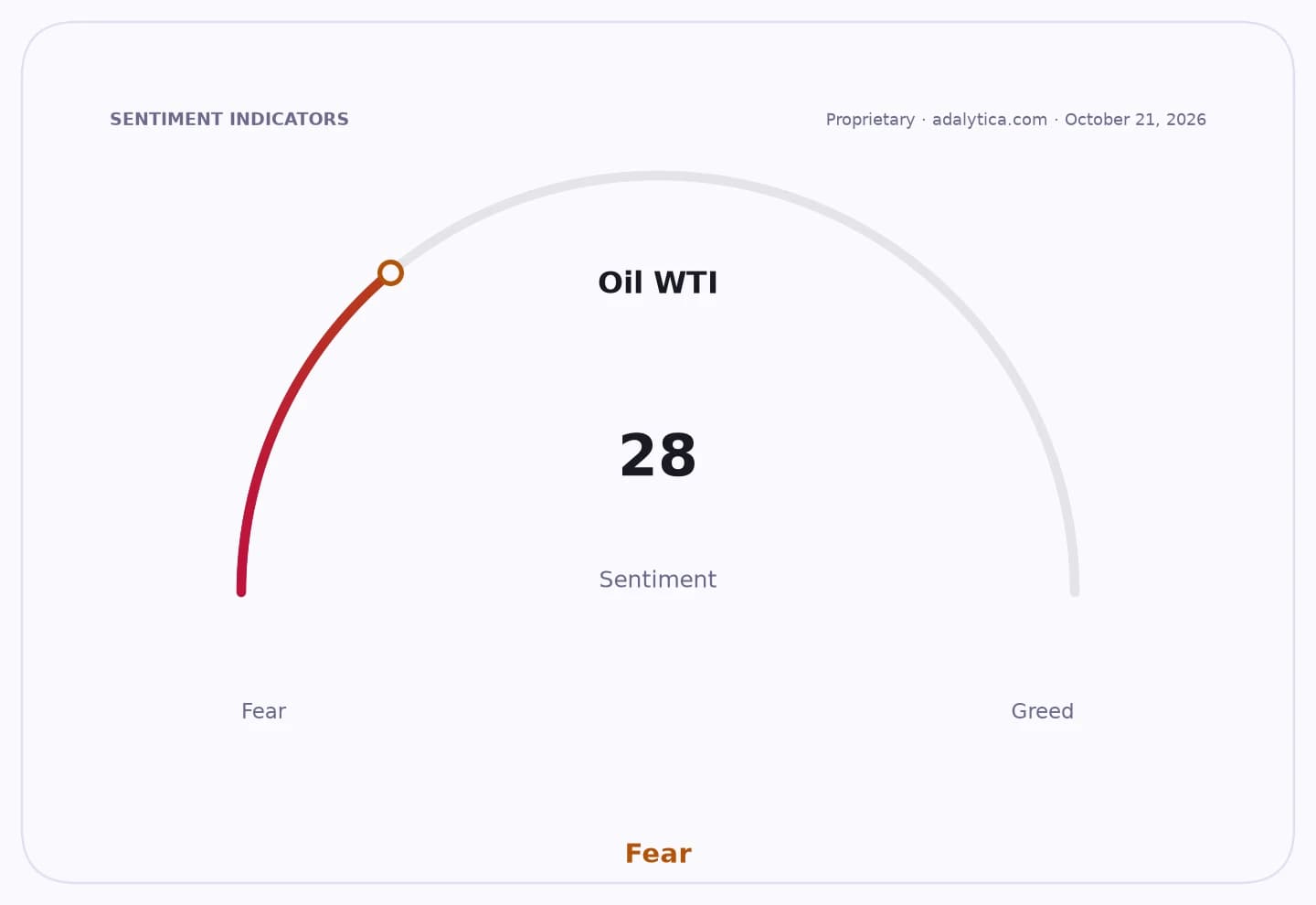
Sentiment Indicators
The record differential is being driven less by Hungarian demand than by a sharp divergence in refining economics. Petrol premiums have effectively returned to levels seen before the Iran-related oil shock, while diesel refining costs have jumped to fresh historic highs in recent days. In other words, the pain at the pump is increasingly a diesel story, not a crude story.
That distinction matters for the economy. Diesel is the fuel most closely tied to freight, logistics and production costs, so a persistent premium can feed through into transport prices and eventually into consumer inflation. It also squeezes margins for businesses that rely on road haulage and raises the risk that lower pump prices for petrol are outweighed by higher operating costs elsewhere in the supply chain.
For consumers, the headline is that one part of the market is offering relief while another is becoming more expensive. For investors, it reinforces the view that refiners with exposure to distillate remain the relative winners, while fuel-intensive industries and transport operators face pressure if the diesel shortage persists. The move also supports the case for integrated oil companies and refiners that have been benefiting from elevated downstream margins.
The backdrop is still constructive for oil-linked equities even as WTI has pulled back from its recent peaks. USO’s latest trading data show the fund cooling after an overbought stretch, while energy shares through XLE and exploration names in XOP have also retreated from highs, suggesting the market is still sorting out whether the latest fuel stress is a temporary dislocation or the start of another margin cycle.
For Hungary, the immediate focus is whether the diesel premium stabilizes or extends into the winter months, when demand patterns and supply disruptions can become more pronounced. If the spread stays near current levels, it will keep upward pressure on freight and business costs even if headline petrol prices continue to soften.
| Entity | Gains | Losses |
|---|---|---|
| Refiners | ▲Stronger diesel margins | ▼Higher input volatility |
| Trucking and logistics firms | ▲None | ▼Higher operating costs |
| Hungarian motorists using petrol | ▲Lower pump prices | ▼Residual inflation spillovers |
| Diesel users and industry | ▲None | ▼Wider fuel premium |