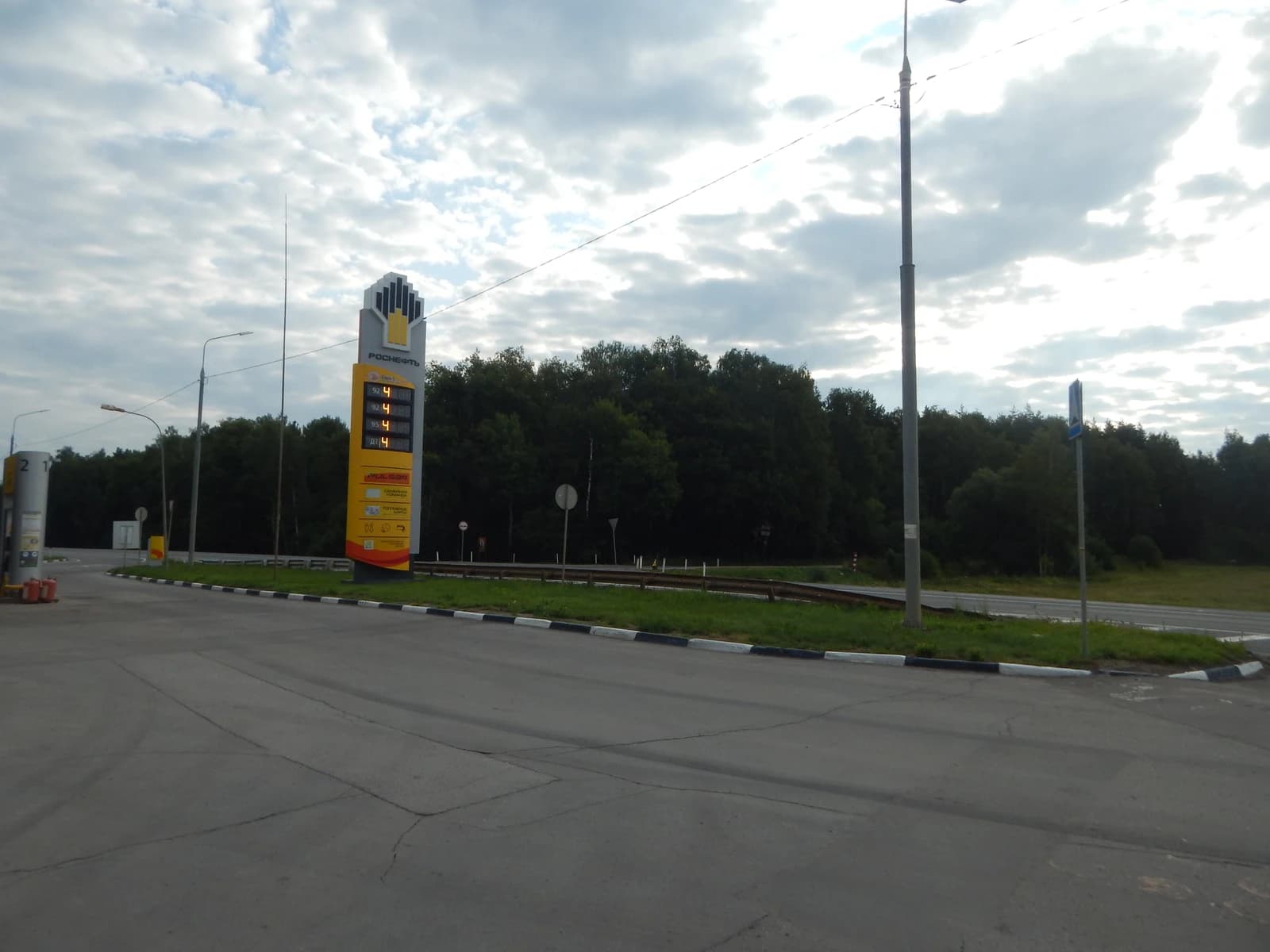
Rosneft has imposed nationwide limits on gasoline sales at its stations, underscoring how Russia’s fuel disruptions are moving from isolated regional shortages to a broader supply squeeze that could ripple through transport costs, consumer prices and refinery economics.
Rosneft limits gasoline sales across Russia

Regional authorities in Zabaykalsky Krai said the state oil producer is now selling no more than 30 liters per customer in cities and 50 liters on highways. A reporter who visited a Rosneft station was told the cap is 50 liters per tank, plus one 20-liter metal canister, and that the restriction had been lifted briefly before being reimposed.
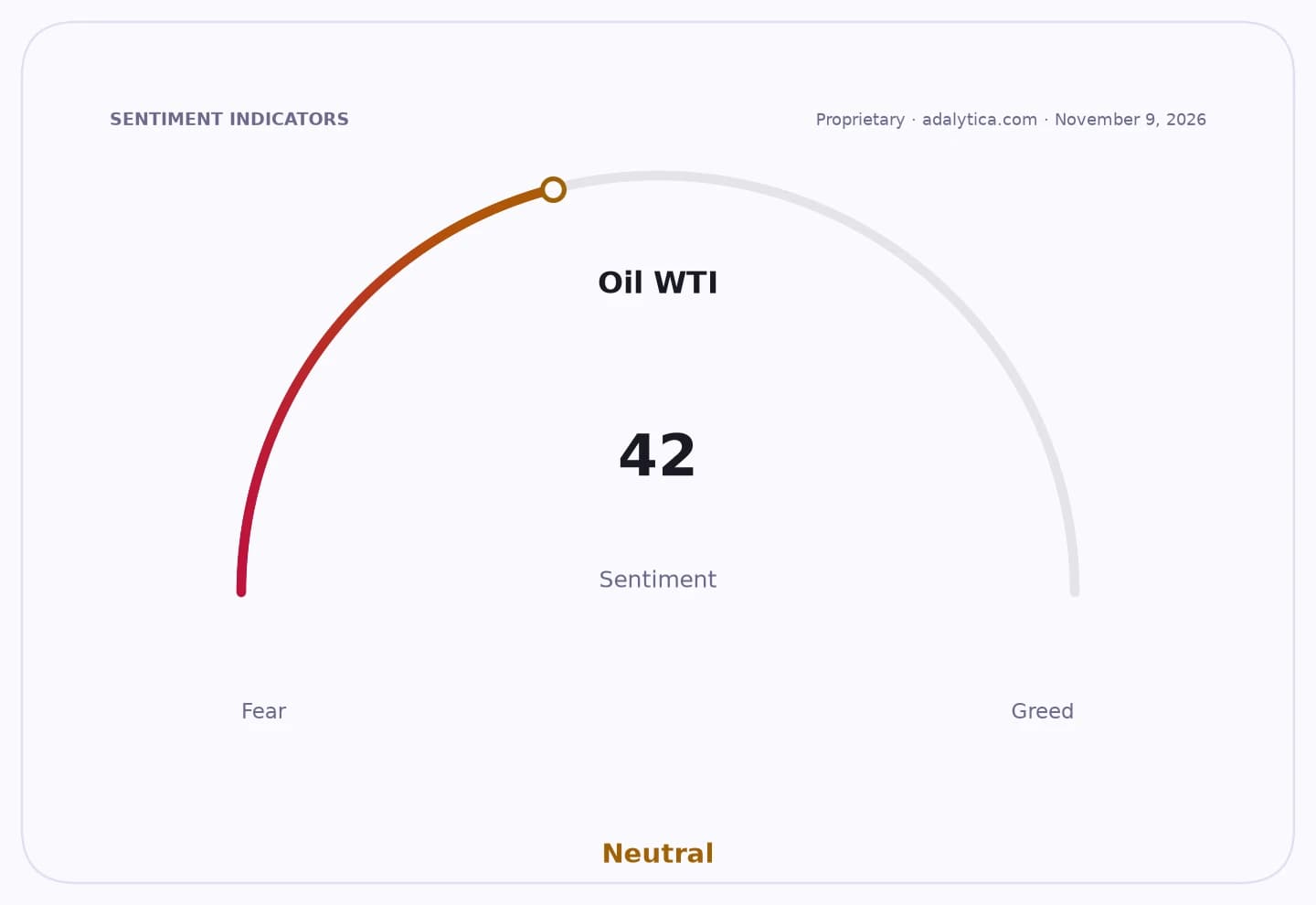
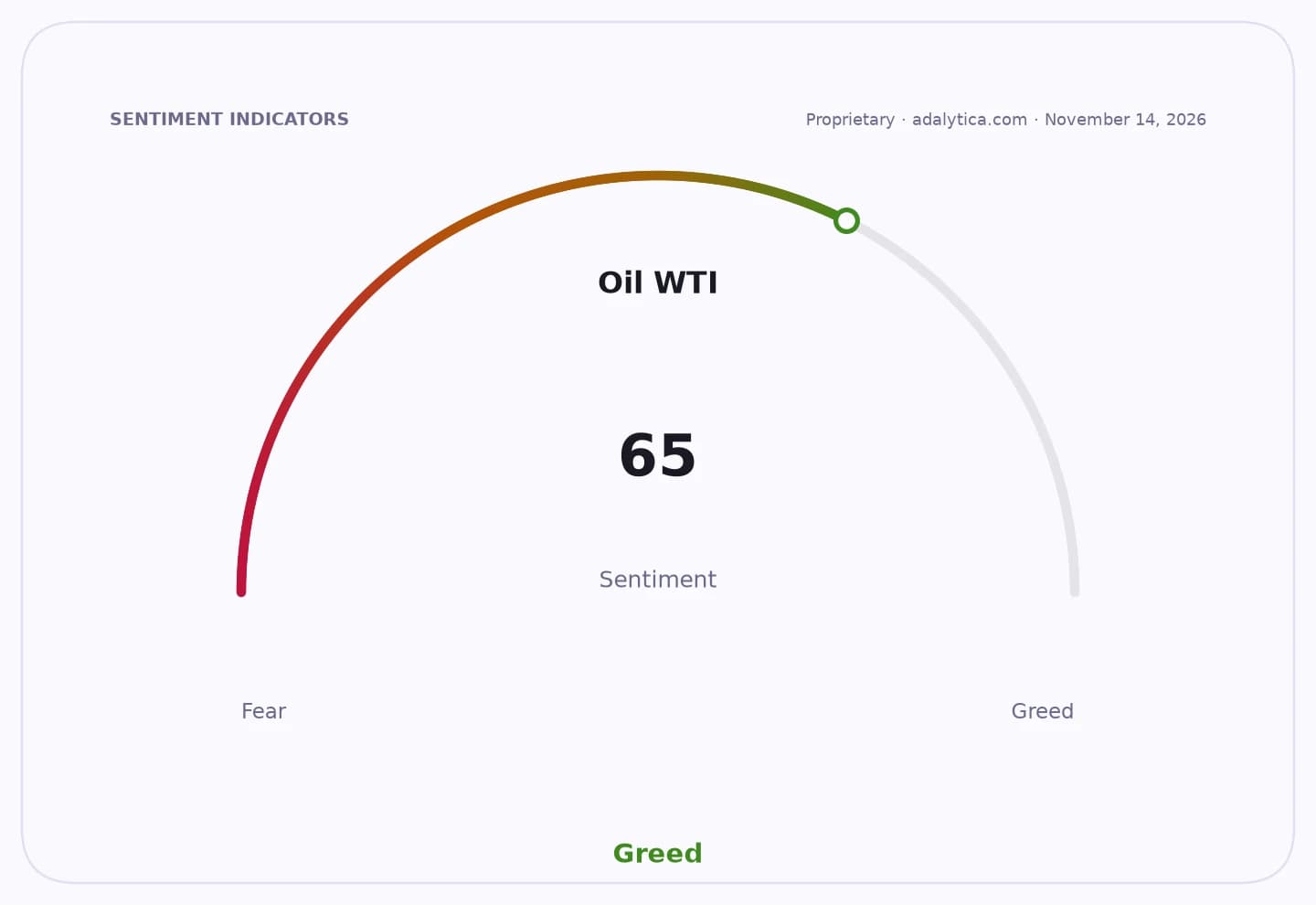
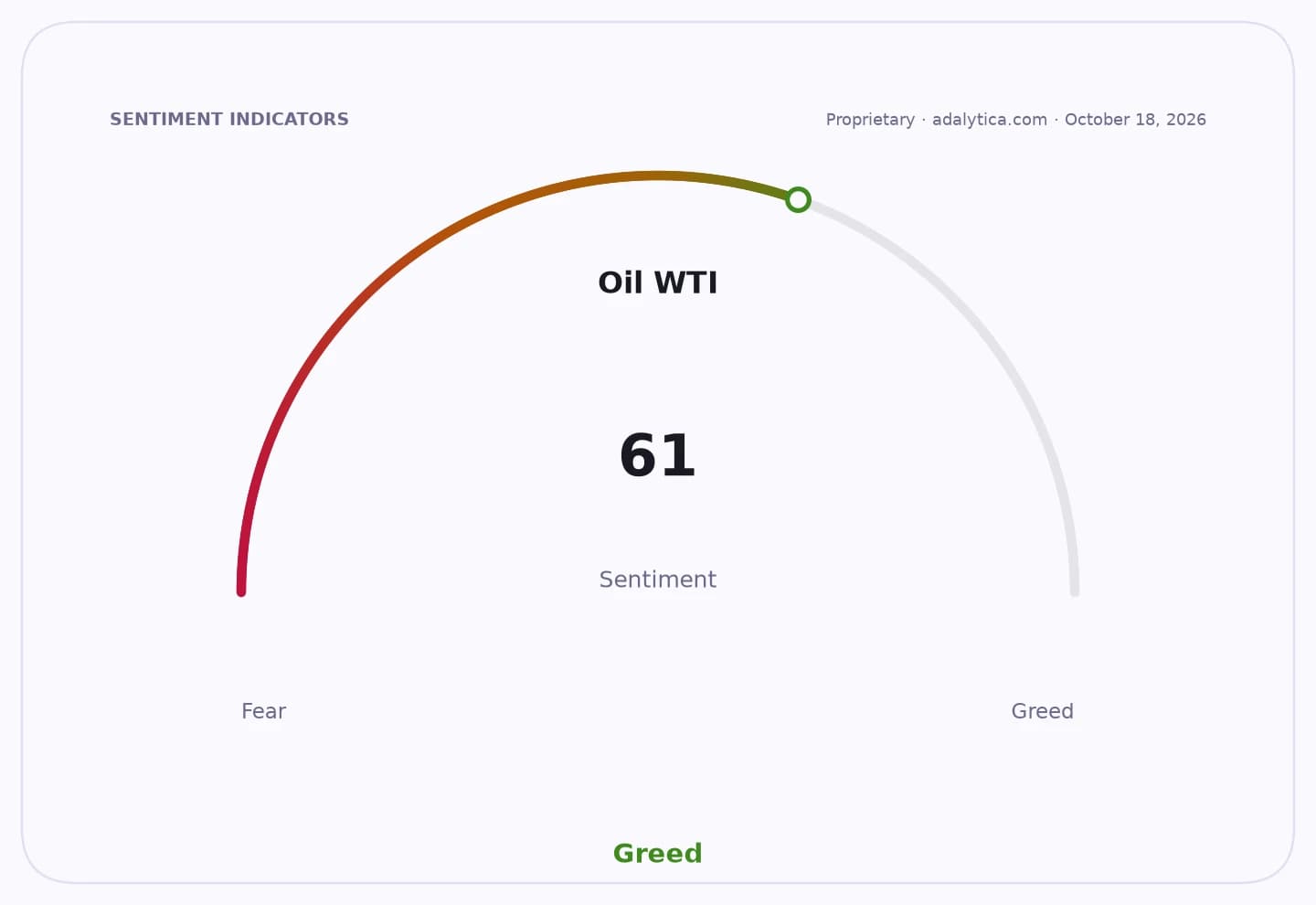
Sentiment Indicators
Oil WTI
The limits matter because fuel rationing is a visible sign that inventories are tight enough to change retail behavior at the pump. For households and businesses, that raises the risk of higher delivery costs and more volatile local fuel availability. For Moscow, it adds pressure on officials already trying to keep a lid on inflation and maintain supply in a system that depends heavily on domestic refining and distribution.
The move comes alongside deeper stress at other Russian fuel retailers. In Moscow region, the Trassa chain has shut 53 stations and sealed 40 more after financial troubles and a criminal case involving its shareholders. Roughly 1,400 employees have been placed on unpaid downtime, highlighting how operational and legal problems are compounding the shortage.
Broader fuel-market strains have also appeared outside Russia. News reports have said shortages have stalled deliveries of Russian diesel to the United States, complicating the fuel dynamics around the Trump-Putin agreement, while other markets from Indonesia to Germany are also dealing with tighter supply and contingency planning.
For investors, the immediate read-through is not just to Russian fuel retailing but to the wider energy complex: scarcity can support crude and refined-product margins in some parts of the market while hurting distributors, retailers and end users. U.S. energy funds such as XLE, along with oil benchmarks like USO and upstream producers in XOP, remain sensitive to any further escalation in supply disruptions and refinery bottlenecks.
The key question now is whether Russia’s restrictions remain a localized response or become a more durable feature of the domestic fuel market as authorities try to stabilize supply ahead of further seasonal demand.
| Entity | Gains | Losses |
|---|---|---|
| Rosneft | ▲Preserves limited stock | ▼Sales volume, customer goodwill |
| Russian consumers | ▲Some access to fuel | ▼Convenience, mobility, fuel availability |
| Refiners/traders | ▲Tighter supply can lift margins | ▼Policy risk, distribution strain |
| End users/shippers | ▲— | ▼Higher transport and operating costs |