Europe is heading into winter with its energy system exposed on two fronts at once: Middle East shipping risks are threatening supplies just as gas storage sits well below last year’s level, keeping power, heating and fuel costs elevated.
Europe Energy Costs Rise on Gas Storage and Shipping Risks
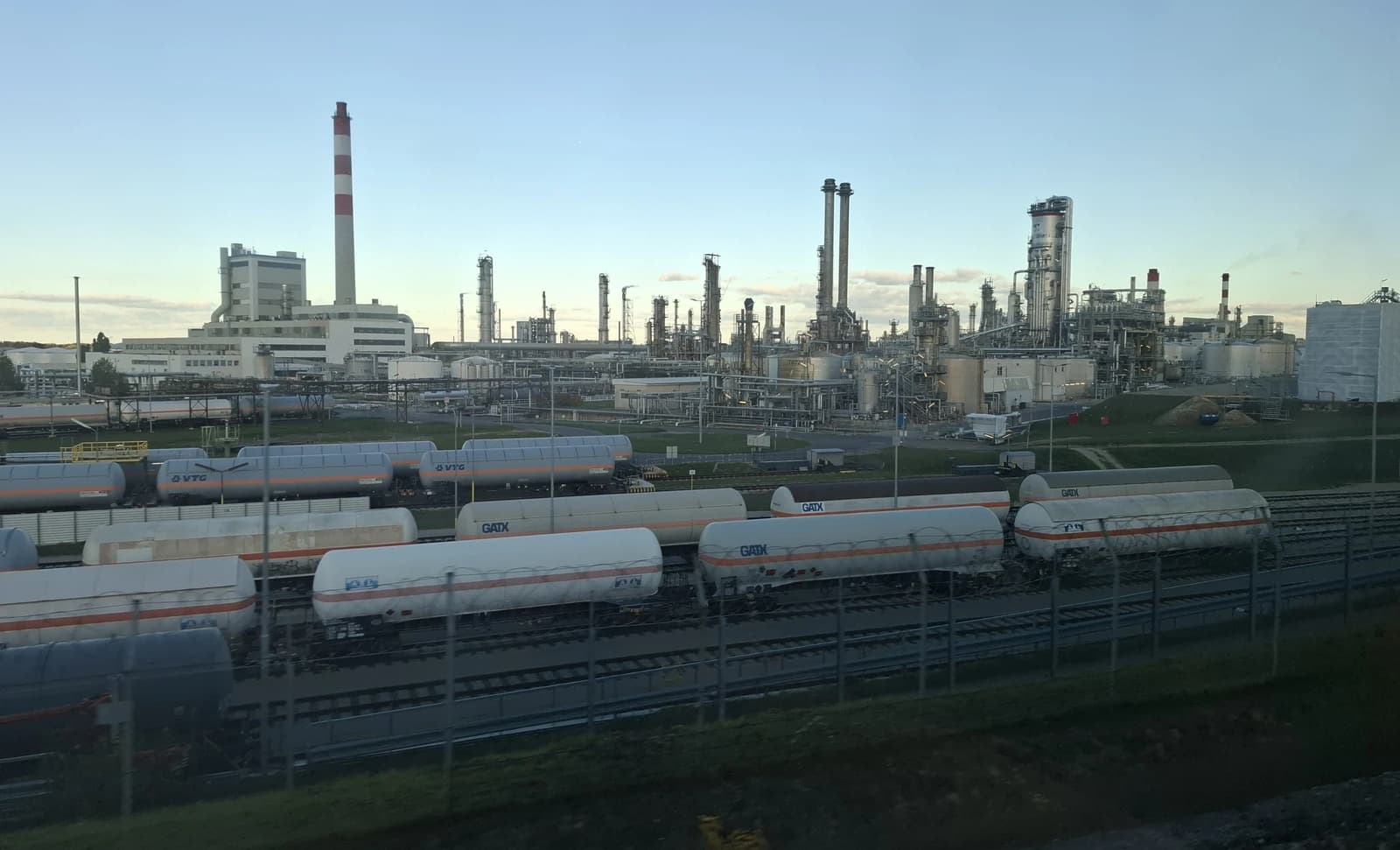
That combination matters because Europe does not need a repeat of the 2022 shock to feel the strain. Gas storage in the bloc was about 69.9% full on Nov. 17, versus 81.9% a year earlier, while Dutch TTF gas climbed to around 83.80 euros per megawatt hour after briefly topping 100 euros in late October. Brent crude also rose to about $92.40 a barrel, underscoring how geopolitical risk is still feeding directly into energy prices even as the market already has to contend with softer demand expectations and higher global supply elsewhere.
Sentiment Indicators
The real pressure point is the Strait of Hormuz, a chokepoint for global oil and LNG flows. Reports of repeated attacks on shipping in November have intensified fears that cargoes from Qatar and the UAE could be disrupted or delayed, tightening the LNG market just as Europe relies on seaborne supply to bridge its winter needs. The International Energy Agency said LNG supplies from Qatar and the UAE fell by more than 60 billion cubic meters year on year from March to October, and warned global LNG supply could fall about 3% in 2026 if disruptions persist.
For investors, the message is simple: Europe is paying a premium for energy security, and that premium is likely to remain visible in gas, power and fuel markets until weather and geopolitics improve. German wholesale electricity averaged 167 euros per megawatt hour in October, up sharply from July, while the European Commission sees a further jump as winter peaks. Diesel has already been strained, with wholesale prices near record levels and consumer fuel costs still rising across the bloc.
The market is also telling the same story. BNO, the oil ETF, remains elevated even after recent pullbacks, while UNG has stayed firm as traders price in tighter winter balances. Adalytica’s oil trade signals show “Extreme Greed” for U.S. crude exposure, a reminder that energy names can still catch a bid quickly when supply risk rises. The lagging response in broader equity sentiment suggests the market may still be underestimating how sticky these costs can become if cold weather arrives while Hormuz remains volatile.
The investable conclusion is clear: this is a winter setup that favors upstream producers, LNG exporters, oil-service firms and integrated majors over energy-intensive consumers and European utilities locked into higher input costs. The best opportunity now is to stay positioned in assets tied to global hydrocarbons and LNG infrastructure, because Europe’s next energy crisis is not a forecast — it is already building.
| Entity | Gains | Losses |
|---|---|---|
| Oil producers | ▲Higher realized prices | ▼Demand destruction risk |
| LNG exporters | ▲Tighter seaborne supply | ▼Shipping disruption risk |
| European consumers | ▲Short-term supply access | ▼Higher heating and fuel bills |
| Energy importers | ▲None | ▼Margin pressure |