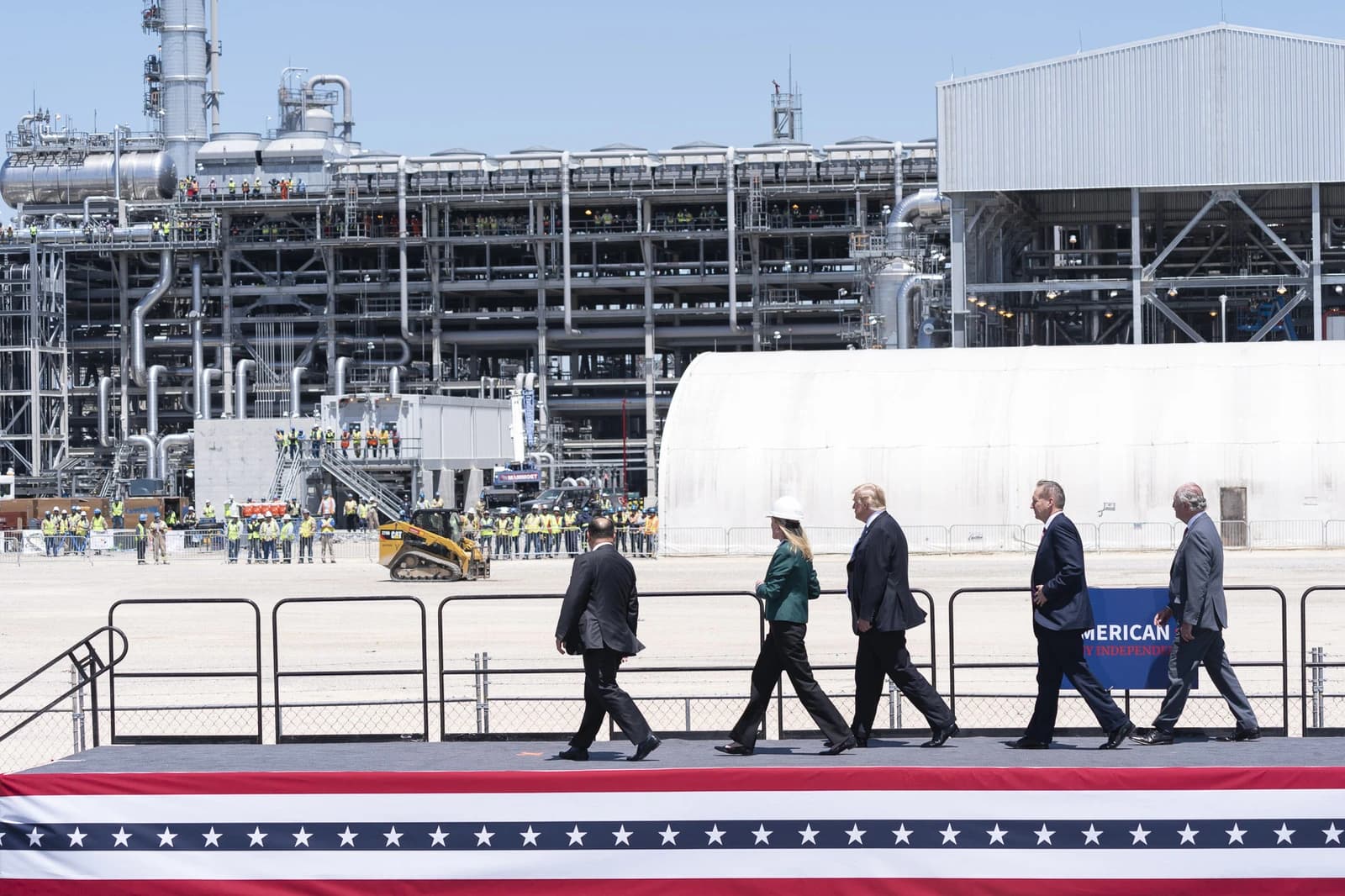
Europe is facing an extra $12 billion in LNG costs in 2026 if disruptions around the Strait of Hormuz force Qatar and the United Arab Emirates to curb deliveries, underscoring how quickly Middle East risk can feed into the region’s energy inflation and trade balance.
Europe faces higher LNG costs from Hormuz risk
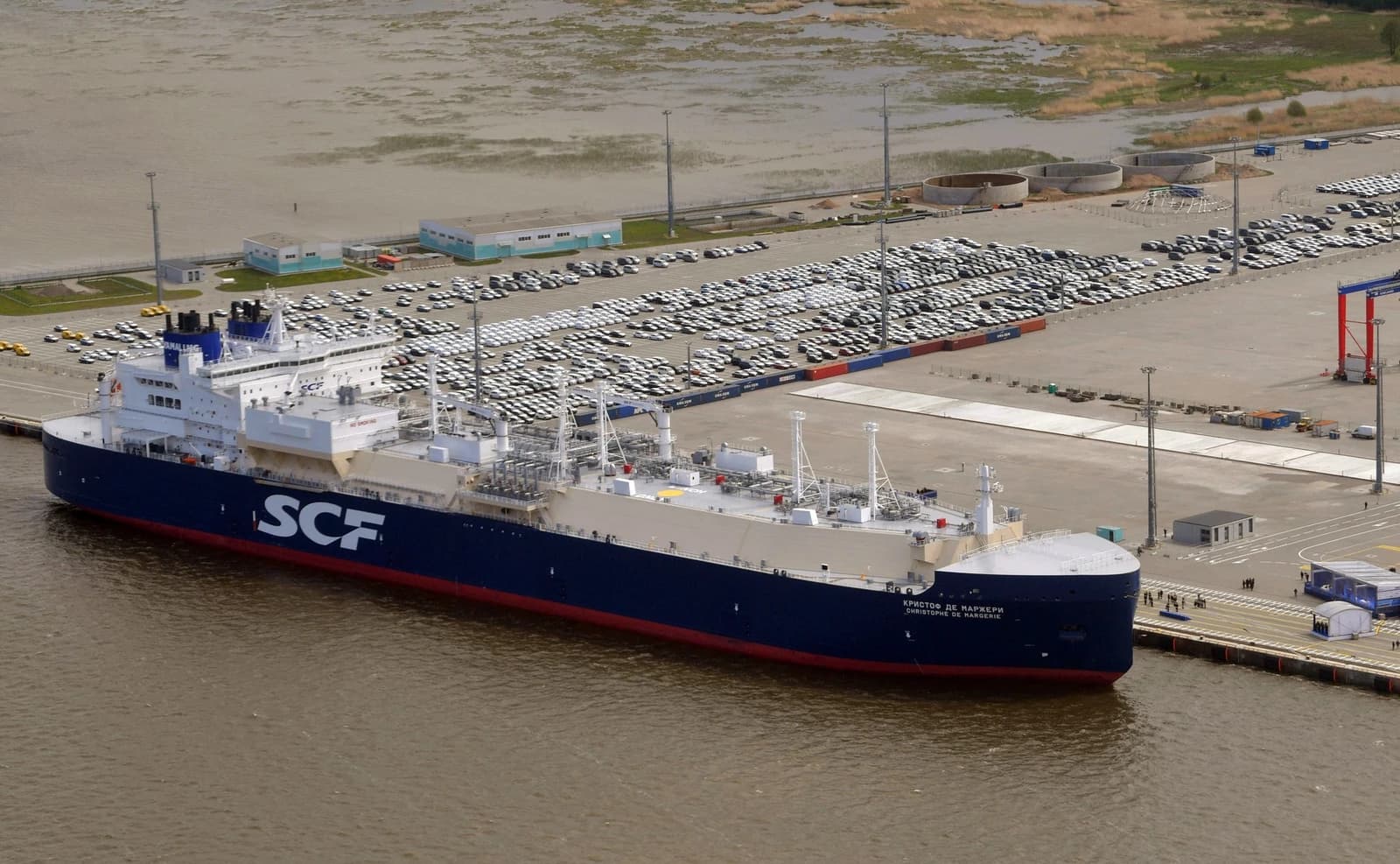
The estimate from Rystad Energy points to a market where fewer cargoes do not necessarily mean lower bills. In its disruption scenario, global LNG import spending climbs to $256.3 billion from $217.8 billion even as traded volumes fall by 60.7 million tons, because buyers must replace lost supply with more expensive spot cargoes. Europe would shoulder at least an 18% increase in import costs despite a projected 24 million-ton decline in demand.
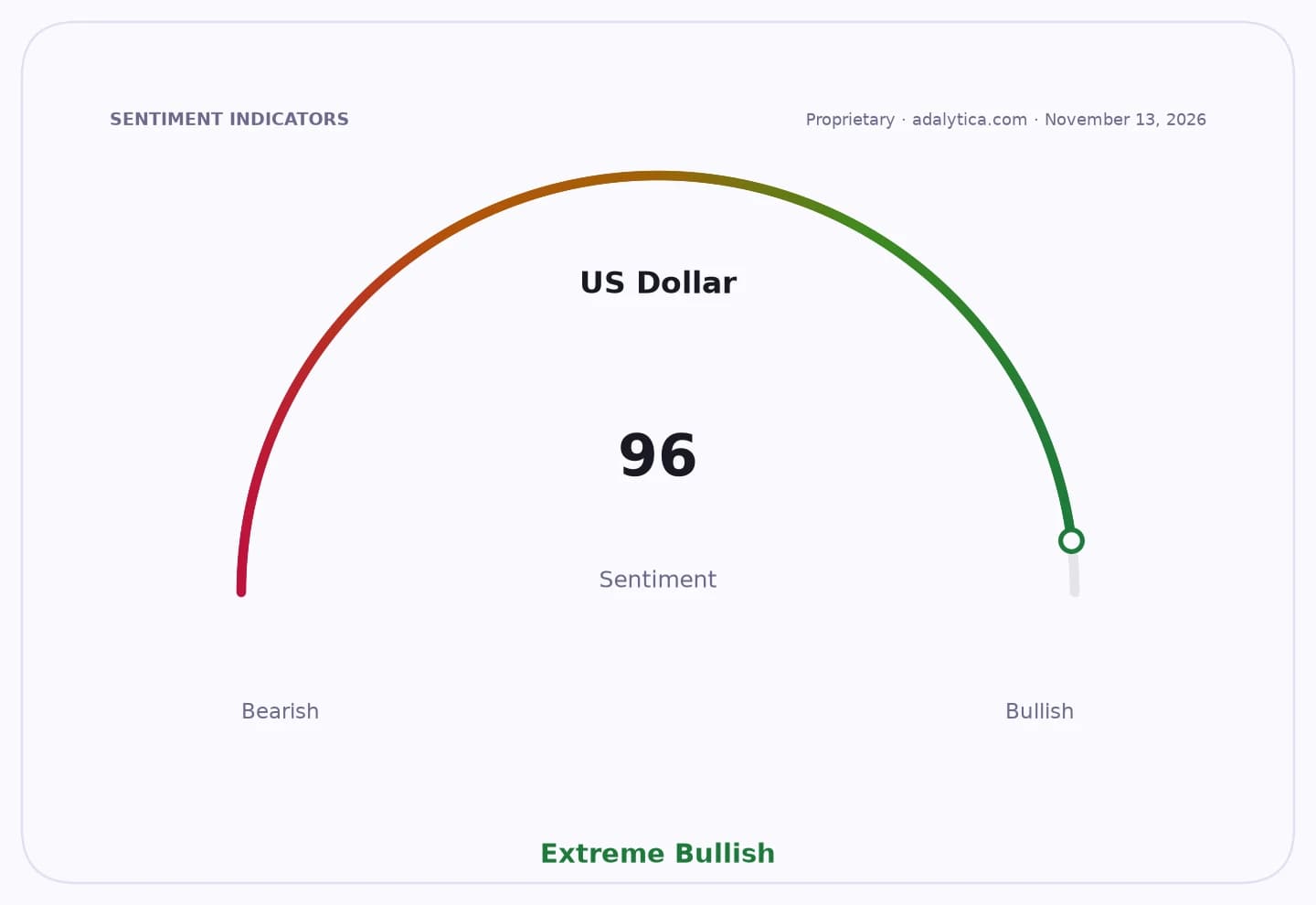
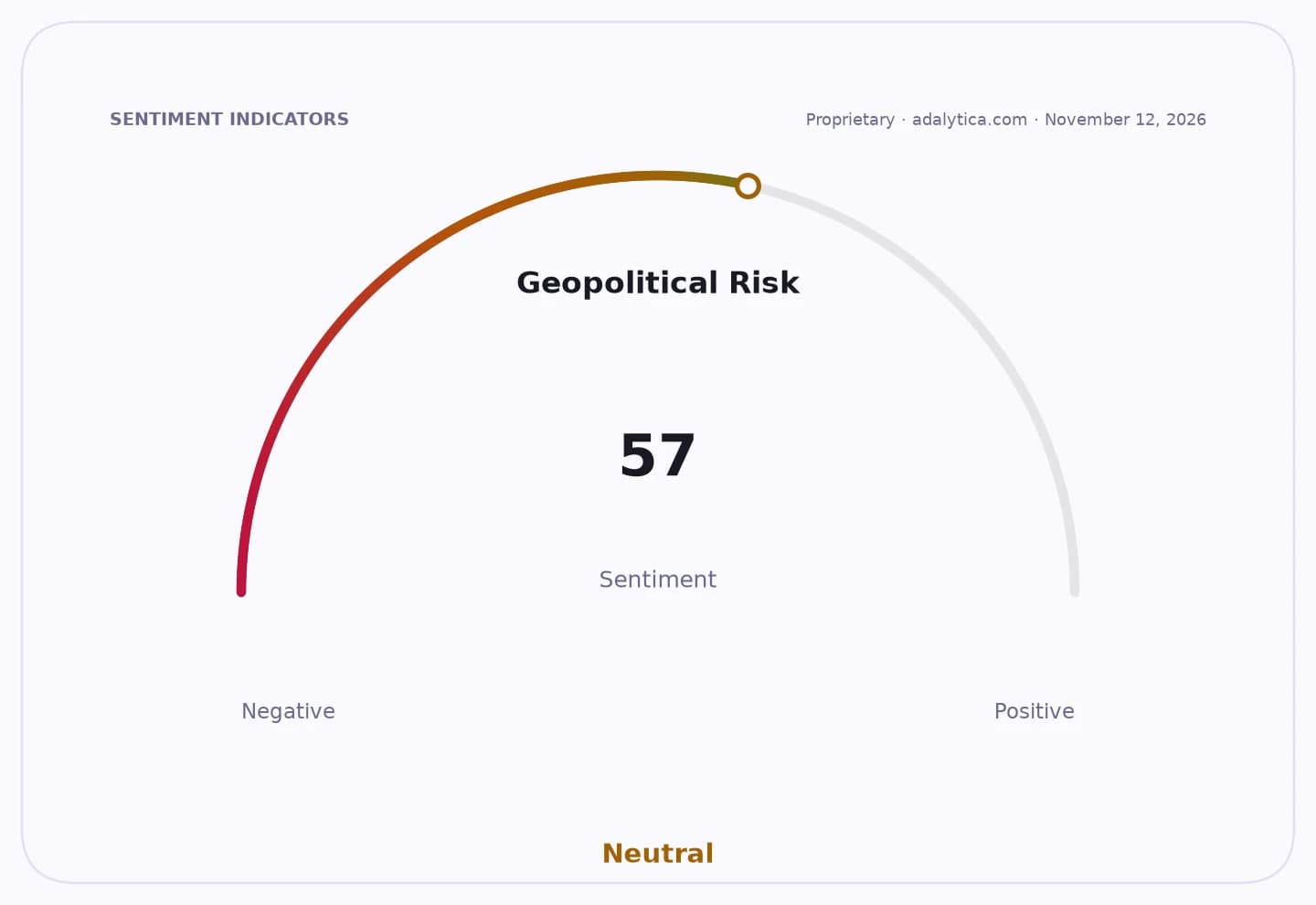
Sentiment Indicators
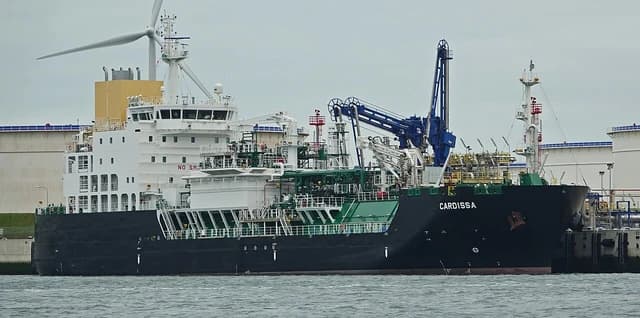
That matters because Europe remains unusually exposed to spot pricing. Roughly 65% of its LNG purchases come from the spot market, leaving utilities and governments far more vulnerable to sudden supply shocks than Asia, where a larger share of contracts are linked to oil and provide more price insulation. Rystad said European LNG prices have already risen 47% under this stress scenario, while Eastern Asia would see a far smaller 9.7% rise in import costs.
The main vulnerability is Qatar, one of Europe’s key suppliers. Rystad’s modelling assumes 20.6 million tons of the 24.7 million tons of Qatari LNG originally headed for Europe would be lost from March through year-end. That would force buyers into a tighter market for replacement cargoes, lifting costs for utilities, industrial users and ultimately consumers already contending with high power and gas prices.
The geopolitical backdrop is even more worrying for investors because the shock may not be temporary. Poten & Partners warned the US-Iran confrontation could drag on for years, with periodic attacks, sanctions and short-lived arrangements allowing some oil flows to continue. That scenario would keep tanker routes, insurance costs and freight rates elevated even without a full shutdown of trade.
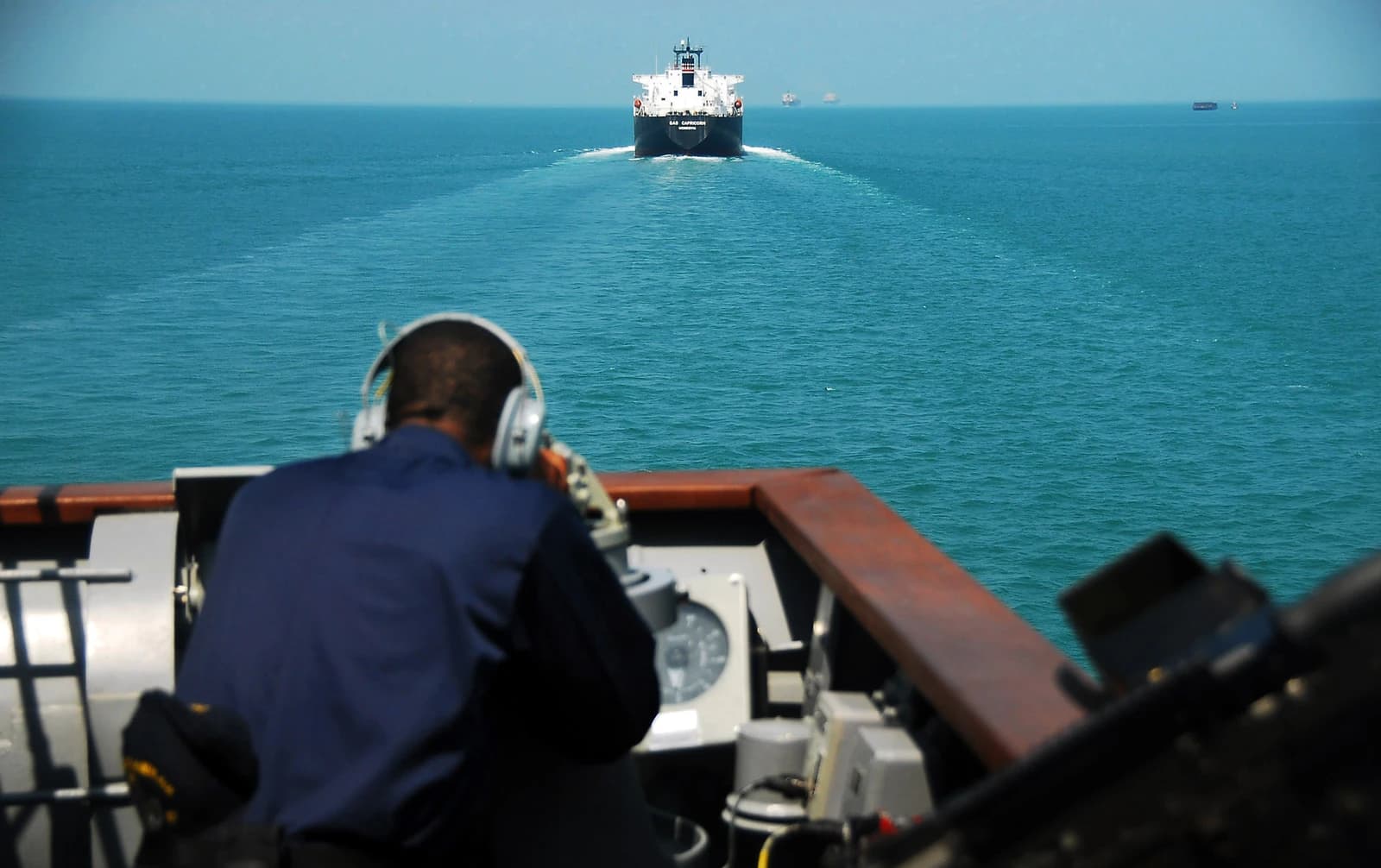
Energy markets have already been conditioned by repeated disruption risks in the region. The International Maritime Organization said confirmed incidents in the Strait of Hormuz and surrounding waters have reached 129, with 25 confirmed deaths, a reminder that shipping risk is not theoretical. The latest toll also raises the cost of moving hydrocarbons through the world’s most strategically important chokepoint.
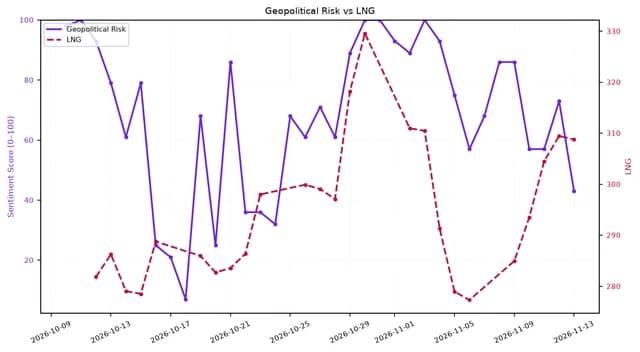
For investors, the implications cut both ways. LNG sellers and shipping-linked names may benefit from firmer prices and higher freight, while European importers, utilities and energy-intensive industries face margin pressure. On the market side, the LNG ticker has rallied sharply this year, and US oil remains sensitive to every escalation in the Gulf, though recent pullbacks suggest traders still expect episodic rather than outright supply disruption.
The bull case is that higher LNG prices would support producers, exporters and some tanker operators for longer than the market currently discounts. The bear case is that Europe’s dependence on spot cargoes leaves it exposed to another round of price spikes, widening the gap between energy security rhetoric and the reality of import economics. If the Hormuz risk persists, the biggest cost may be not lost supply but a permanently higher floor for Europe’s gas market.
| Entity | Gains | Losses |
|---|