The Czech Republic’s long-term LNG deal with the United States is another sign that Europe is turning energy security into a multi-decade capital allocation decision, not a short-term emergency fix.
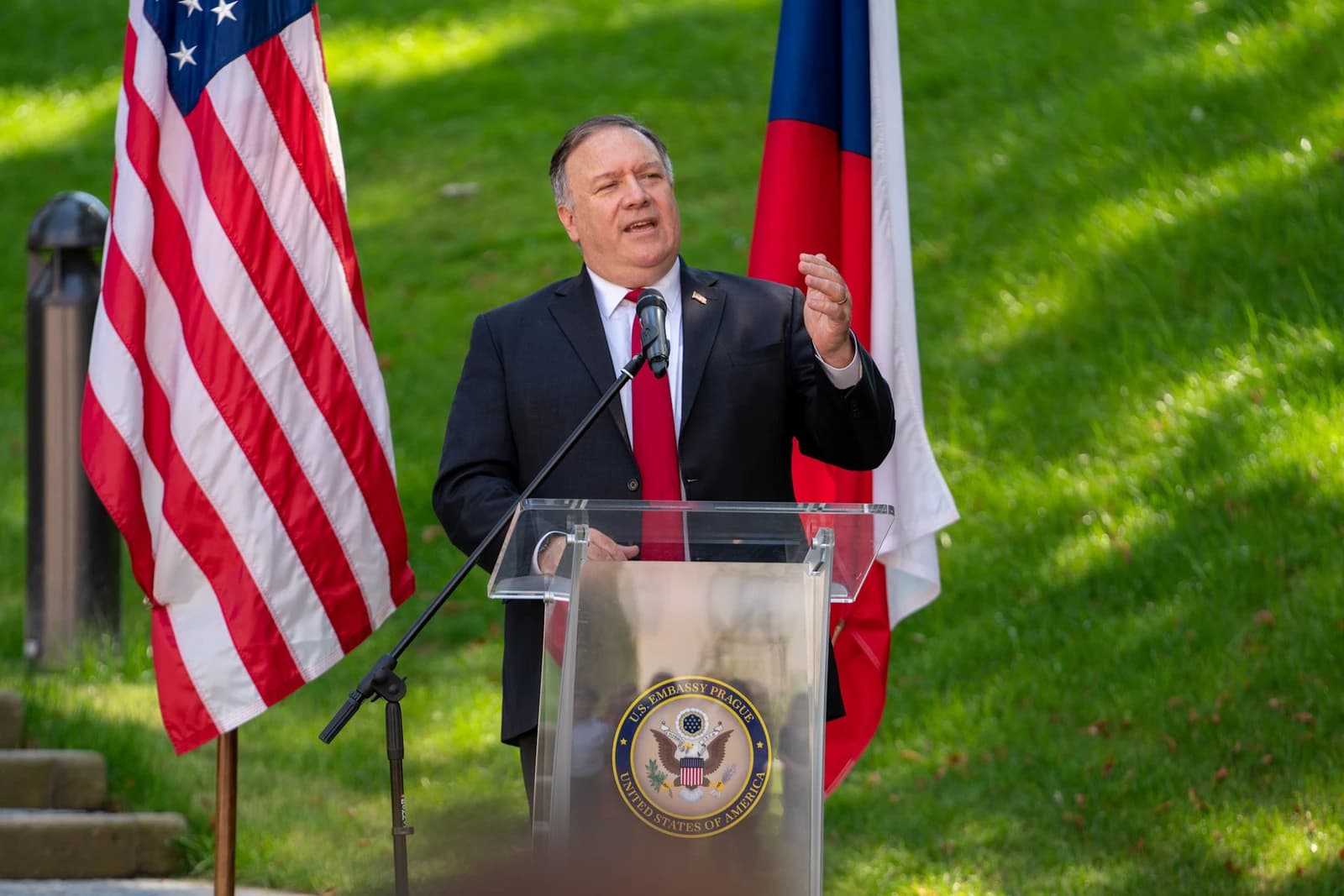
Czech Republic signs long-term U.S. LNG deal
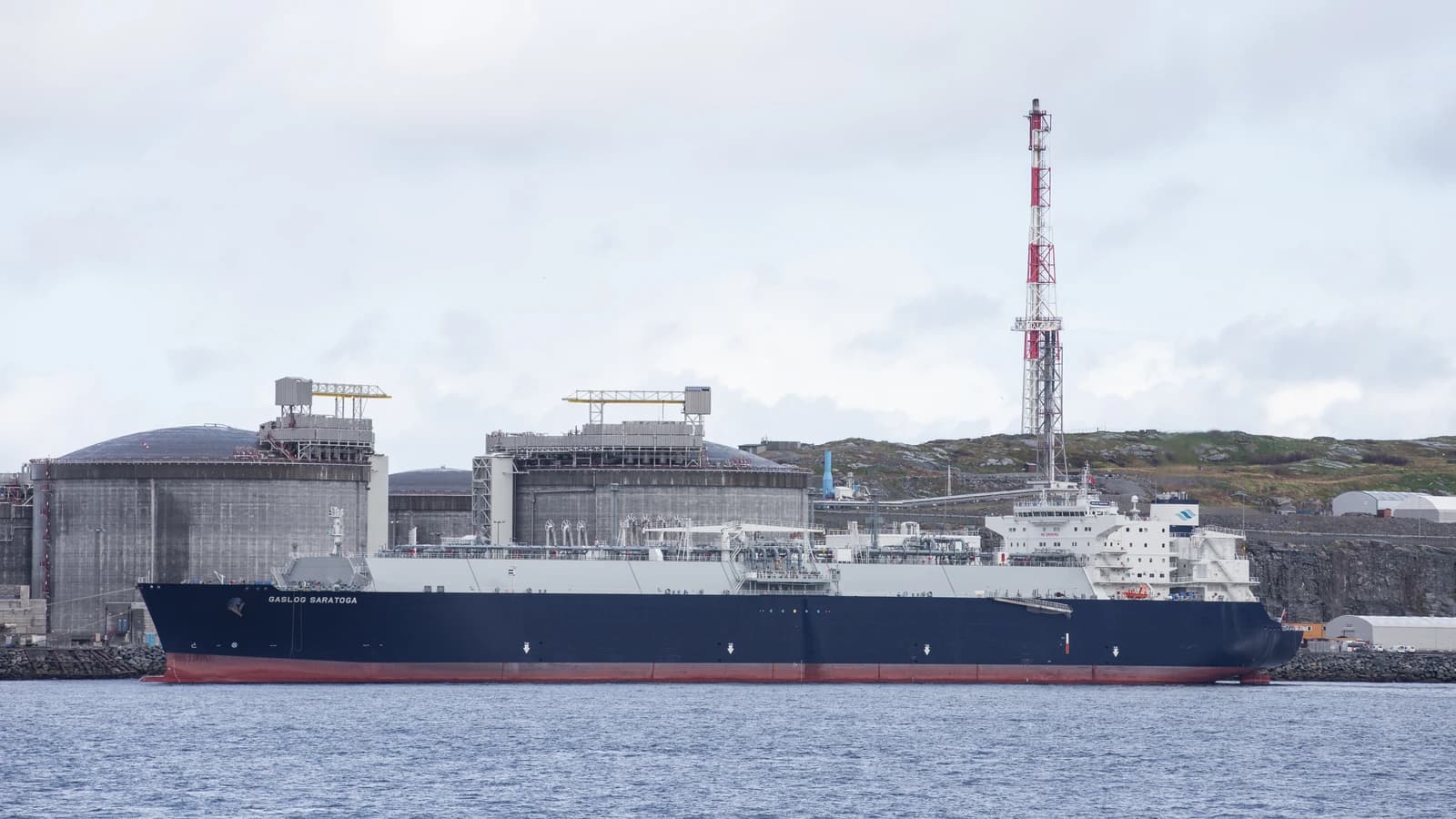
That matters because long-dated contracts are the backbone of the next wave of LNG infrastructure spending. They give exporters the bankable cash flows needed to finance terminals, trains and shipping capacity, while giving European buyers a hedge against the kind of price shock that has repeatedly ripped through the region since Russia’s gas supply was weaponized. For investors, the message is simple: the LNG trade is becoming more entrenched, and the beneficiaries are the companies that control liquefaction, transport and regasification capacity.
Sentiment Indicators
The timing is important. LNG markets remain tight and politically sensitive, with supply disruptions, volatile shipping routes and strong competition from Asia keeping prices elevated. Europe has spent the past two years scrambling to replace Russian pipeline gas with seaborne LNG, and long-term purchase agreements are now the clearest evidence that temporary crisis buying is becoming structural demand.
That is bullish for the American LNG export complex, where contracted volumes can support continued expansion even when spot prices wobble. It also helps explain why U.S. midstream and LNG-linked names remain central to the investment case. Cheniere-style export models, Kinder Morgan-type pipeline exposure and toll-road operators with terminal and transport assets all benefit when utility buyers and sovereign-backed counterparties sign decades-long offtake deals.
The market is still underestimating how much of Europe’s industrial future depends on this buildout. If the Czech deal is followed by more 10-, 15- and 20-year contracts, the winners will be the companies with capacity already in place and the ones financing the next round of terminals and shipping infrastructure. That is where the asymmetric upside sits.
For investors, the takeaway is to stay long the LNG infrastructure chain, not just the commodity. The contract is the catalyst; the cash flows are the opportunity.
| Entity | Gains | Losses |
|---|---|---|
| U.S. LNG exporters | ▲Long-term cash flow visibility | ▼Spot-price dependence |
| Czech Republic | ▲Supply security | ▼Flexibility on gas sourcing |
| European utilities | ▲More reliable supply | ▼Higher contract commitments |
| LNG infrastructure operators | ▲Higher utilization, expansion support | ▼Idle-capacity risk |